



A new generation of Latino chefs has emerged amid ongoing ICE raids and an increasingly hostile environment toward immigrants in the U.S. In Los Angeles, these chefs have worked to further Alta California cuisine in the city in exciting ways that have also shown echoes around the country.
The Alta California movement began to materialize in the late aughts as Mexican American chefs who had cut their teeth in California cuisine restaurants began to open their own distinct dining destinations. Trailblazing restaurants such as Cacao Mexicatessen, Cook’s Tortas, and Ortega 120 riffed on Mexican American restaurant standards: tacos, tortas, chilaquiles, burritos, and a diverse array of antojitos. Employing modern techniques and local California ingredients,
Alta California cuisine not only served as a catalyst for the next generation of Latino chefs, but also broadened the scope of California cooking. The old guard of Alta California includes chef Carlos Salgado, of Taco Maria fame, who returned to the kitchen at La Sirena in July 2025, more than 2000 miles away from Southern California in Wisconsin. In Los Angeles, chef Ray Garcia opened Broken Spanish Comedor in October 2025, and will open Broken Spanish in 2026, while chef Wes Ávila has stayed the course at Ka’teen, among other projects.
 Wonho Frank Lee" data-portal-copyright="Wonho Frank Lee" />
Today, one doesn’t have to venture far to find modern Mexican American restaurants led by equally intrepid Los Angeles chefs. In response to the ongoing crisis in Los Angeles, chef Andrew Ponce added a months-long tasting menu to his popular A Tí in Echo Park; in the near future, he plans to launch A Tí Afuera, a grill menu for lunch that will be an ongoing collaboration with other guest chefs. Working as a sous chef at Jon and Vinny’s and then Bestia, Ponce, who is Mexican American, felt the urge to cook Mexican food after a stint as opening sous chef for the short lived Onda by chef Gabriela Cámara and Sqirl owner Jessica Koslow. On his current menu, find homages to chef Wes Ávila’s sweet potato taco, as well as to chef Carlos Salgado’s aguachile from Taco María, the kitchen where Ponce was mentored in the ways of Alta California. “I remember having that potato taco for the first time at the [Guerrilla Tacos] truck; it was life changing,” says Ponce.
For many in this cohort, inspiration comes from their local communities. Like Ponce, chef Francisco Morán (Loreto, Mariscos Za Za Za) grew his abilities in the kitchens of the Los Angeles restaurant boom in the 2010s. Jumping on the line at young ages, some chefs did not have the luxury to travel widely across México nor anywhere else in Latin America before starting to work full time. When he opened LA Cha Cha Cha(which closed in late 2025) in 2021 as executive chef, Morán, who is Salvadoran, had never been to México and had not cooked its cuisine before. But he had been to Mexican restaurants in Los Angeles, and was also paying attention to Alta California restaurants like Broken Spanish. “There’s a lot you can learn about Mexican culture here in Los Angeles,” says Morán.
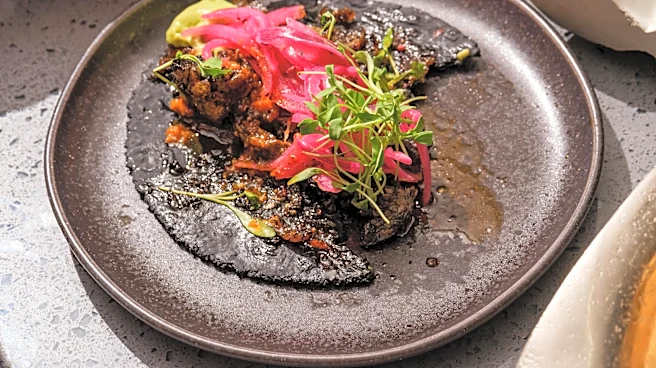
The chefs behind Evil Cooks, Amiga Amore, and Macheen each turned successful pop-ups into critically lauded restaurants. Both Alex and Elvia Garcia of Evil Cooks have been named James Beard Foundation Award semifinalists for Best Chef: California, as well as Amiga Amore’s Danielle Duran Zecca. The Garcia’s are known for aggressive, playful takes on tacos such as the McSatan; a cheeseburger taco; and La Bruja, a flan taco set on a crêpe-style tortilla. A short trip north of Evil Cooks in El Sereno, find Highland Park’s Amiga Amore, which blends the cultures of Italy and México on the plate. Dishes such as elote agnolotti, spicy Mexican corn–stuffed pasta dusted with homemade Tajín and queso Cotija, as well as huitlacoche cacio e pepe that’s earthy from corn smut, a traditional Mexican ingredient, illustrate the many lenses Alta California can take.
“Seeing how much recognition that Mexican cuisine was getting during that time, like Broken Spanish and just following chef Ray Garcia, and feeling he came from the same background as me inspired me,” says Macheen chef Jonathan Perez. Mushroom al pastor tacos at Milpa Kitchen (formerly Milpa Grille) and Zacatecas-style chorizo burgers at Distrito Catorce reflect some of Perez’s greater contributions to Alta California fans across Los Angeles.
In Burbank, chef Enrique Soltero introduced more sophisticated chilaquiles, chicken tinga masala tacos, and spicy breakfast sandwiches served with fine coffee at his casual cafe, Amor a Mí, a restaurant that would be right at home in Mexico City’s Roma neighborhood. Branching out of Holbox, chef Fatima Juarez created the award-winning Komal, following the traditional molino trend that has swept over Mexico the past few decades. (Juarez also cooks superlative Mexican antojitos made with nixtamalized heirloom corn.) She’s not a standard Alta California chef: the menu celebrates Latin diasporic deviations, like Guatemalan chuchito that represents her team members who hail from the Central American country. It’s the kind of blending that would only happen in Los Angeles. Over in Santa Monica, Rustic Canyon got in on the action with Rustic Cantina, a modern Mexican American pop-up helmed by chef de cuisine Elijah de Leon (while the cantina no longer formally runs, its dishes remain on Rustic Canyon’s daily happy hour menu).

On June 21, 2025, the third-annual Disciples of the Corn dinner was held at Evil Cooks: Corazon Abierto. It had been moved from its original location, La Cocina de Gloria Molina, due to the ICE raids that had descended on Los Angeles on June 6. The featured chefs that evening were Danielle Duran-Zecca (Amiga Amore), Francisco Aguilar (Carnal, Simón), Enrique Soltero (Amor a Mi), Elvia García (Evil Cooks), Crystal Espinoza (formerly Guerrilla Tacos), Jonathan Pérez (Macheen), Fátima Juárez (Komal), and Alex García (Evil Cooks). As in the previous two editions of the masa-focused tasting menu, the dinner introduced diners to a journey through Mexico’s sharp-cut regional cuisines.
Cramped in the tiny Evil Cooks kitchen at the front of the restaurant, each chef explored microregions such as Espinoza’s lardy tacos envenenados (poisoned) from the city of Zacatecas. Among the 32 courses, Soltero’s tostadas de la siberia, named after the La Siberia restaurant chain in Monterrey and made with chicken floss, and umami-rich aguachile de carne asada, popular in the steakhouses and upscale taquerías of Hermosillo, soared. The dinner highlighted that the generation that founded Alta California cuisine have a legacy codified by the continuation of the genre and its modern interpretations. “I love how everyone helps each other. It’s amazing how everyone comes together,” García told me at the time. He will host the next edition of the event on September 12, 2026, at the California State University, Los Angeles campus.
Counting chef Enrique Olvera’s Damian and Gilberto Cetina’s Michelin-starred Holbox, modern Mexican cooking has never been better — or more vital to the chefs who uphold its history. “I do this for love,” García says. “It’s just friends cooking and having fun with a concept, and why not our roots as a concept?”