/images/ppid_a911dc6a-image-177867482800996912.webp)




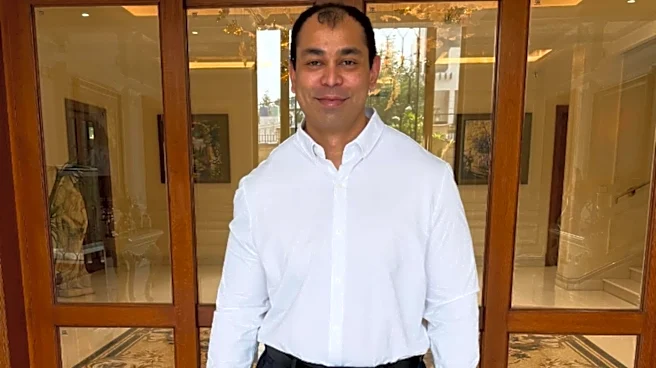
The death of Prateek Yadav due to “cardiorespiratory collapse caused by massive pulmonary thromboembolism” has sparked widespread concern and confusion over the life-threatening medical condition. Health experts say a massive pulmonary embolism is a medical emergency that can lead to sudden collapse and death within minutes if not treated immediately. The 38-year-old died this morning after his health suddenly deteriorated around 5 am. His postmortem report stated: “Cardiorespiratory collapse due to massive pulmonary thromboembolism.” It further noted that the entire heart and pulmonary thromboembolic material had been preserved in formalin for histopathological examination, while the viscera had been preserved for chemical analysis.Also read:
Prateek Yadav Death: What Was the Serious Lung Condition He Was Battling Before He Died?
What is a massive pulmonary thromboembolism?
A Pulmonary embolism occurs when a blood clot blocks one or more arteries in the lungs. In most cases, the clot originates in the deep veins of the legs, a condition called deep vein thrombosis (DVT), before travelling through the bloodstream to the lungs. When the clot is extremely large or blocks major pulmonary arteries, doctors refer to it as a “massive pulmonary thromboembolism.” This can rapidly disrupt blood circulation and oxygen supply throughout the body.What does cardiorespiratory collapse mean?
“Cardiorespiratory collapse” refers to the sudden failure of the heart and lungs to function properly. During a massive pulmonary embolism, the clot prevents blood from reaching parts of the lungs, severely reducing oxygen levels. The blockage also puts dangerous pressure on the right side of the heart, which must work harder to pump blood through blocked arteries. This can cause:- Sudden drop in blood pressure
- Severe oxygen deprivation
- Loss of consciousness
- Cardiac arrest
- Multi-organ failure
Symptoms of pulmonary embolism
Doctors say symptoms often appear suddenly and should never be ignored. Common warning signs include:- Sudden shortness of breath
- Sharp chest pain
- Rapid heartbeat
- Dizziness or fainting
- Excessive sweating
- Bluish lips or low oxygen levels
- Coughing, sometimes with blood
Who is at higher risk?
Experts say several factors can increase the risk of dangerous blood clots, including:- Prolonged bed rest or immobility
- Long flights or travel
- Recent surgery or hospitalization
- Smoking
- Obesity
- Cancer
- Pregnancy
- Hormonal medications
- Genetic clotting disorders
- Severe dehydration


/images/ppid_a911dc6a-image-177865242876786430.webp)
/images/ppid_a911dc6a-image-177864183944085812.webp)
/images/ppid_a911dc6a-image-177863923213583672.webp)

/images/ppid_a911dc6a-image-177865222881925003.webp)