When
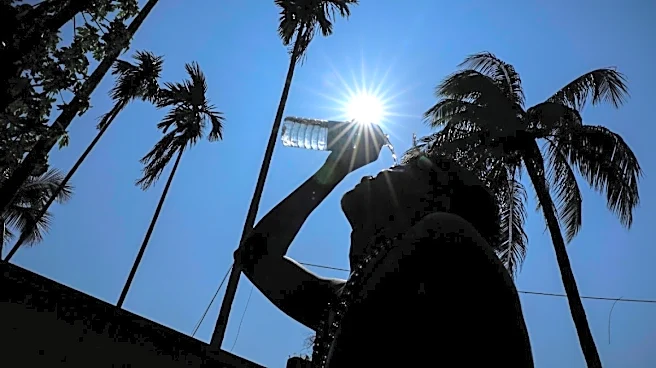
the temperature climbs past what feels tolerable, people reach for anything that promises quick relief. Social media fills up with 'instant cooling' tricks, elders pass down home remedies, and WhatsApp forwards start sounding like survival guides. The problem? Not all of these hacks actually work, and some quietly push your body closer to danger.
The Usual "Tricks"
Take the classic advice, jump into an icy shower. It sounds logical, shock the body with cold and cool down fast. But your body doesn’t read it that way. Sudden exposure to very cold water constricts blood vessels near the skin, trapping heat inside instead of releasing it. In extreme cases, that shock can even spike heart rate and blood pressure. Ironically, a cool (not cold) shower does a better job because it allows gradual heat loss without triggering that defensive response.
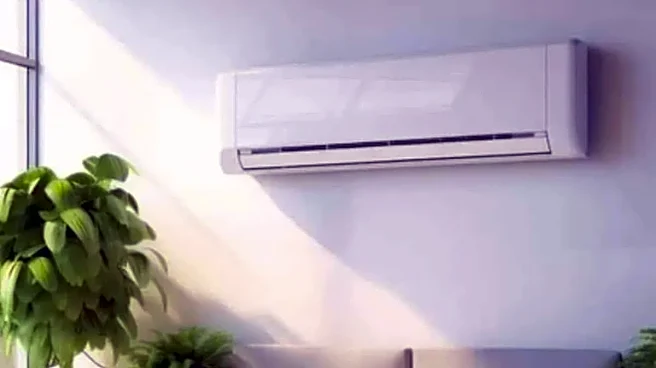
Then there’s the overreliance on fans. In moderately warm weather, fans help sweat evaporate, which cools you down. But in extreme heat, especially when temperatures cross body temperature, fans can start acting like hot air blowers. Instead of cooling you, they speed up dehydration by making you sweat more without effectively lowering your core temperature. If the air itself is scorching, moving it around faster doesn’t solve much.Cold drinks seem harmless, even helpful. And yes, hydration matters, but chugging ice-cold beverages isn’t the shortcut people think it is. Very cold drinks can cause your stomach to constrict slightly, slowing absorption. They may also trick you into feeling temporarily cooled without actually rehydrating effectively. Add sugar or caffeine into the mix—like sodas, iced coffees, or energy drinks, and you’re potentially increasing fluid loss instead of fixing it.
One of the most persistent myths is that alcohol 'cools the body.' A chilled beer or cocktail might feel refreshing in the moment, but alcohol is a diuretic, it pulls water out of your system. It also interferes with your body’s ability to regulate temperature. That brief sense of relief often masks a deeper, more dangerous dehydration.
Excessive Water Is Also A Myth Trick
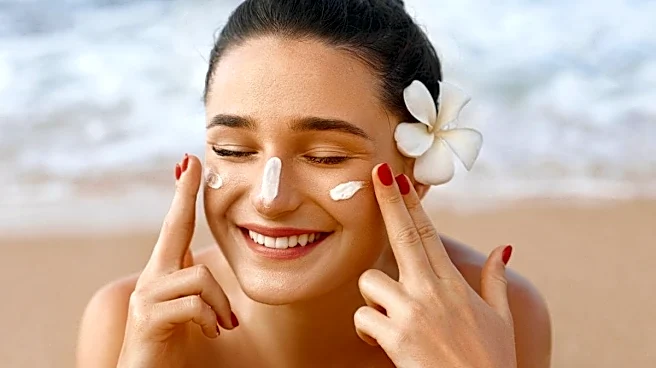
Another popular hack: splashing water on your face and arms repeatedly. While it feels good for a few seconds, it’s not a long-term solution unless that water can evaporate properly. In humid conditions, moisture just sits on your skin, making you feel sticky without meaningful cooling. Worse, people sometimes mistake that fleeting freshness for real relief and delay more effective steps like resting, hydrating, or moving to a cooler space. Even clothing choices can backfire. Some believe less clothing equals more comfort, but direct exposure to harsh sunlight can actually increase heat absorption and skin damage. Loose, breathable fabrics that cover the skin often work better by allowing airflow while shielding you from direct heat.What actually helps is less dramatic but far more effective, steady hydration with room-temperature fluids, light meals that don’t overwork digestion, shaded or ventilated environments, and gradual cooling methods. The body doesn’t need shock, it needs support. Heatwaves don’t just test your tolerance; they expose the gap between what feels right and what actually works. And in extreme conditions, that gap can matter more than you think.
/images/ppid_a911dc6a-image-177676243287349972.webp)




/images/ppid_a911dc6a-image-177669803432091324.webp)
/images/ppid_a911dc6a-image-177667563904477872.webp)



/images/ppid_a911dc6a-image-177665882917879730.webp)
/images/ppid_a911dc6a-image-177658602689052352.webp)
/images/ppid_a911dc6a-image-177656922713062650.webp)
/images/ppid_a911dc6a-image-177652722525198743.webp)