/images/ppid_a911dc6a-image-177823242487786246.webp)

/images/ppid_a911dc6a-image-177804767066872492.webp)
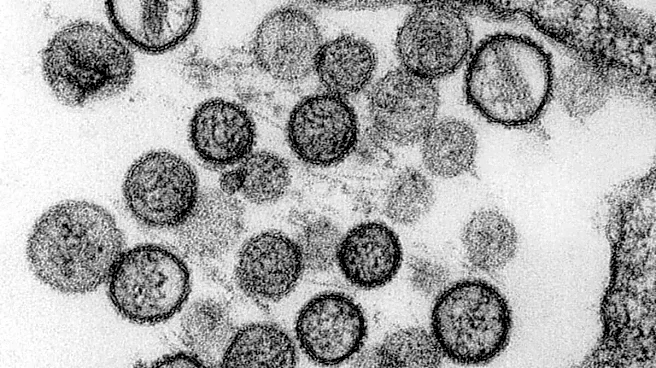
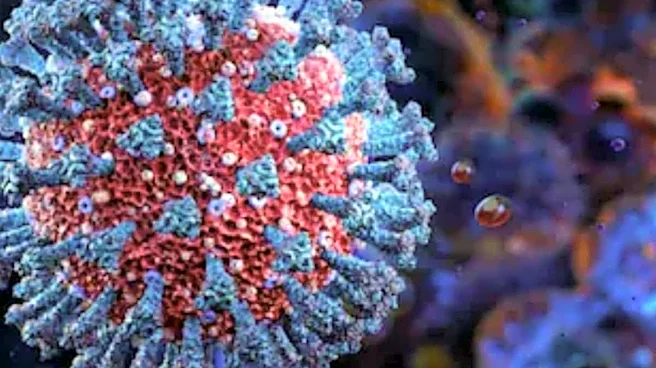

The recent hantavirus outbreak linked to the MV Hondius cruise ship has renewed global concern about how rare viral infections are diagnosed, and whether testing works like it did during the COVID-19 pandemic. As health agencies investigate suspected Andes hantavirus infections across multiple countries, many people are wondering whether a rapid home test can detect the virus the same way COVID antigen kits once did. Doctors say the answer is no. Unlike coronavirus testing, hantavirus diagnosis remains highly specialised and depends on blood testing, molecular analysis, and strong clinical suspicion. Experts warn that early symptoms often resemble flu, dengue, or viral pneumonia, making diagnosis more difficult.Also read: India Is the Thalassemia
Capital of the World - Why Millions May Be Silent Carriers
Why is hantavirus testing more complicated than COVID-19?
At present, there is no rapid antigen test available for hantavirus. According to experts, unlike COVID-19, diagnosing hantavirus requires specialised laboratory infrastructure, which is mostly unavailable in most routine clinical settings. During the coronavirus pandemic, COVID-19 tests became widely accessible because the coronavirus could be detected quickly through nasal or throat swabs. Hantavirus infections, however, usually require blood-based laboratory investigations rather than simple respiratory swab testing. The rarity of hantavirus infections is one reason large-scale rapid home testing kits have not been developed.What tests are used by doctors to diagnose hantavirus
Doctors say hantavirus diagnosis mainly depends on serology-based blood testing. The most common methods include:- ELISA antibody testing
- RT-PCR molecular testing
- Blood antibody analysis
- Imaging tests in severe respiratory cases
Why do the symptoms mostly cause a delay in diagnosis?
One of the biggest diagnostic challenges is that hantavirus symptoms initially look similar to many common viral illnesses. Early symptoms may include:- Fever
- Body aches
- Headache
- Fatigue
- Nausea
- Muscle pain
- Visited rodent-infested areas
- Cleaned dusty enclosed spaces
- Had exposure to rodent droppings or urine
- Travelled to outbreak regions
- Had close contact with infected individuals

/images/ppid_a911dc6a-image-177806446291485772.webp)
/images/ppid_a911dc6a-image-177815406543422853.webp)


/images/ppid_a911dc6a-image-177807004070198225.webp)

/images/ppid_a911dc6a-image-17780532342776595.webp)
/images/ppid_a911dc6a-image-177799166720211539.webp)
/images/ppid_a911dc6a-image-177796926164088979.webp)