Every
monsoon, the same questions come back, is this fever dengue or just viral? Should I take an antibiotic? Is street food really that risky? And why do my feet keep getting fungal infections? This year, as cases of dengue, malaria, leptospirosis, and typhoid begin rising across India, 9 leading specialists across infectious diseases, internal medicine, dermatology, and nutrition answer the most searched monsoon health questions, clearly and without jargon.
- Dr. Aishwarya R, Consultant - Infectious Diseases, Aster RV Hospital, Bangalore
- Dr. Pooja Khosla, Vice Chairperson, Internal Medicine, Sir Gangaram Hospital
- Dr. DM Mahajan, Senior Consultant - Dermatology, Indraprastha Apollo Hospital, Delhi
- Dr. Anusuya Shetty, Consultant Physician and Diabetologist, Apollo Clinic Koramangala
- Dr. Swati Rajagopal, Senior Consultant - Infectious Disease & Travel Medicine, Aster CMI Hospital, Bangalore
- Dr. A N Venkatesh, Senior Consultant & Head, Regional Director – Emergency Department, Apollo Hospitals, Bannerghatta, Bengaluru
- Dr. Umang Agrawal, Consultant, Infectious Diseases, P. D. Hinduja Hospital & Medical Research Centre, Mahim
- Dr. Sandeep S. Reddy, Consultant - Infectious Diseases & General Medicine, Ramaiah Memorial Hospital
- Ms. Sonal Chandalia, Nutrition Consultant, Jaslok Hospital and Research Centre
Why do I keep falling sick every monsoon?
The monsoon creates near-perfect conditions for pathogens to thrive. Dr. Venkatesh explains that the humid season accelerates the spread of droplet infections, while contaminated food and water become the biggest sources of illness. Mosquitoes breed rapidly in stagnant water, and fungi flourish in warm, damp environments. As Dr. Khosla puts it, "monsoon increases the risk of viral illnesses, dengue, malaria, leptospirosis, typhoid, and fungal infections because humidity, water stagnation, and poor sanitation favour the spread of pathogens." The body's response to seasonal changes is common, but that does not mean every illness should be waited out at home.
How do I protect my family from mosquito-borne diseases this season?
The single most effective step is eliminating stagnant water. Dr. Aishwarya points out that mosquitoes can reproduce in tiny amounts of water, flower pots, coolers, buckets, used tyres, and clogged drains all qualify. Dr. Rajagopal advises that "water in flower vases and pet bowls should be changed regularly, and water storage tanks kept tightly covered." Dr. Shetty emphasises proper waste disposal and community-level sanitation as equally important as personal measures.For personal protection, all doctors agree: wear full-sleeved shirts and long trousers, apply mosquito repellents with approved active ingredients, install window screens, and use mosquito nets, particularly for infants, children, and older adults. Dr. Venkatesh specifically flags early morning and evening as peak biting hours, making repellent use especially important during those times. As Dr. Aishwarya sums it up, "since there is no one single measure that guarantees full protection, mixing environmental management, personal defence, and awareness is the best approach to stop mosquito-borne illnesses in the monsoon season."
How can I tell if my fever is dengue, malaria, or just viral?
Dr. Venkatesh is candid: distinguishing between these illnesses without medical testing is genuinely difficult because symptoms overlap significantly. That said, some broad patterns exist. "Dengue often causes high grade fever which can be continuous, with severe body aches, headache behind the eyes, rashes over the body, and sometimes bleeding manifestations," he explains. Malaria tends to produce intermittent high-grade fever with chills and sweating, while viral infections usually come with sore throat, cough, and runny nose and tend to improve within a few days. Dr. Agrawal reinforces the point: "these are very broad guidelines as these symptoms may still overlap, so it is always better to seek medical help."
When should I stop treating a monsoon fever at home?
This is where doctors are most emphatic: do not wait too long. Dr. Venkatesh advises seeking attention if fever lasts more than 48 hours, while Dr. Reddy sets the threshold at "fever exceeding 102°F that fails to drop with paracetamol, or persists for more than five days." Dr. Rajagopal lists urgent warning signs including severe headache, difficulty breathing, chest pain, confusion, persistent vomiting, seizures, bleeding from gums or nose, blood in vomit or stools, reduced urine output, and severe abdominal pain. Dr. Aishwarya adds that "young children, pregnant women, older adults, and people with long-term health conditions should not wait, they really should ask for medical advice earlier since they have a higher risk of having complications."
I got drenched in the rain and now have a fever. Should I be worried?
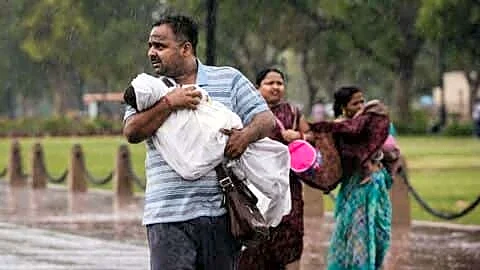
Yes, and Dr. Agrawal is unambiguous: "having a fever after getting drenched in the rain is something that should never be ignored. It could indicate something called leptospirosis, immediate medical attention should be sought because this can be a very serious infection if not treated urgently." Dr. Venkatesh explains the mechanism: getting drenched does not directly cause fever, but a sudden drop in body temperature lowers immunity and increases susceptibility to infection. Dr. Khosla reinforces this, fever after rain is caused by infection, not the rain itself.
Should I take antibiotics for a monsoon fever?
No, not without a confirmed diagnosis and a doctor's prescription. Dr. Venkatesh is direct: "antibiotics are only given for bacterial infections and they don't cure any other illness caused by virus, fungal or parasites, we strongly suggest against using any antibiotics without medical advice." Dr. Agrawal puts it simply: "it is more important to understand the cause of the monsoon fever rather than taking antibiotics over the counter." Dr. Reddy adds a critical warning, self-medicating can dangerously mask underlying conditions. The consistent advice: seek medical evaluation before starting any medication.
How can I boost my immunity during monsoon?
Dr. Agrawal's top recommendation is practical and often overlooked: "the best way to boost your immunity would be to vaccinate yourself, a yearly influenza shot and a single shot of the typhoid vaccine would be the most useful interventions." Beyond vaccination, Dr. Venkatesh highlights that no single food boosts immunity on its own, what matters is a balanced diet with adequate protein, Vitamin C, Vitamin A, Vitamin E, and minerals like iron, zinc, and selenium. Ms. Chandalia adds that "one needs to power up immunity with high antioxidant food intake, especially Vitamin C and anthocyanins, warm beverages infused with herbs, soups, dals, and sautéed vegetables." Dr. Reddy recommends including probiotic-rich foods like yogurt and citrus fruits like amla alongside freshly cooked meals.
What should I eat, and avoid, during the monsoon?
The golden rule, according to Dr. Agrawal, is simple: "outside food should strictly be avoided during the rainy season, any healthy food that you prepare at home, which has been boiled or cooked well, would work best." Dr. Venkatesh flags leftover food where the cold chain has not been maintained as one of the biggest triggers of gastrointestinal illness. Dr. Reddy is specific about what to avoid: "raw salads, street-side juices, and pre-cut fruits easily harbour bacterial contamination during the humid season." Unpasteurised milk, raw sprouts, uncooked meat, and street food prepared in unhygienic conditions should all be skipped. Ms. Chandalia recommends warm soups, dals, and porridge as nourishing alternatives that supply the right nutrients during the season.
Why do I get fungal infections on my feet every monsoon?
The biology is straightforward. As Dr. Venkatesh explains, "fungus needs a warm and damp environment which is best supplied in the rainy season, wet shoes, wet socks, and wet clothes are good sources for fungus to grow." Infections typically appear between the toes as white lesions causing redness, itching, or peeling skin. Dr. Agrawal points out that moisture accumulating on feet after exposure to floodwater creates the ideal conditions. Dr. Reddy advises changing out of wet clothes immediately and avoiding walking barefoot through floodwaters entirely. The prevention is simple: dry your feet thoroughly, keep footwear dry, and see a doctor if symptoms worsen.
What about Vitamin D during the monsoon?
With reduced sunlight during the rainy season, Vitamin D levels can quietly dip. Dr. Mahajan explains that "people with darker skin have more melanin, which naturally reduces the skin's ability to produce Vitamin D, so they may require longer sun exposure." Living in polluted cities compounds the problem, as air pollution blocks the UVB rays needed for Vitamin D production. The standard check is the 25-hydroxyvitamin D [25(OH)D] blood test. As Dr. Mahajan clarifies, "diet alone is usually not enough to correct a Vitamin D deficiency, most people with confirmed deficiency require supplements prescribed according to the severity." Self-prescribing high doses is risky and can cause toxicity, kidney stones, and elevated calcium levels.
The bottom line
Monsoon illness is largely preventable with the right habits, eliminating stagnant water, eating freshly cooked food, staying vaccinated, and knowing when a fever needs a doctor rather than a home remedy. The season demands vigilance, but it does not have to mean panic.
/images/ppid_a911dc6a-image-178304562878253183.webp)

/images/ppid_a911dc6a-image-178317104780722549.webp)









/images/ppid_59c68470-image-178297002883561594.webp)

/images/ppid_a911dc6a-image-178299423527652798.webp)