/images/ppid_a911dc6a-image-178089522552512100.webp)


/images/ppid_59c68470-image-178090253775772749.webp)


Today is World Brain Tumour Day, and experts are urging people not to ignore persistent neurological symptoms that may appear harmless at first. According to Dr. Amitabha Chanda, Director of Neurosurgery at CK Birla Hospitals, CMRI, delayed diagnosis remains one of the biggest challenges in effective brain tumour treatment. Experts say symptoms of brain tumours are often mistaken for stress, migraines, fatigue, ageing, or common health issues. However, identifying warning signs early can significantly improve treatment outcomes and expand available treatment options. “Brain tumour symptoms are often misread for months before a neurological evaluation is sought. By the time these explanations are exhausted, and imaging is performed, the disease
may have had considerable time to progress,” said Dr. Chanda.
Why early detection of brain tumours matters?
Brain tumours occur when abnormal cells grow inside the brain or surrounding tissues. Some tumours are benign, or non-cancerous, while others are malignant and can spread aggressively. Dr. Chanda explains that many patients spend months dismissing symptoms before seeking neurological evaluation. By the time brain scans or imaging tests are performed, the tumour may already have progressed significantly. “Early diagnosis can make a major difference in treatment success, surgical precision, and long-term recovery,” he said. Medical specialists also stress that a brain tumour diagnosis is not always fatal or untreatable. Many tumours can be treated effectively, especially when detected early.Common brain tumour symptoms people often ignore
Health experts warn that persistent neurological symptoms should never be overlooked. Some of the most common brain tumour symptoms include:- Frequent headaches
- Recurrent vomiting
- Vision problems or blurred vision
- Seizures
- Memory loss or confusion
- Personality or behavioural changes
- Difficulty maintaining balance
- Weakness in arms or legs
- Speech difficulties
- Extreme fatigue
Advances in brain tumour treatment
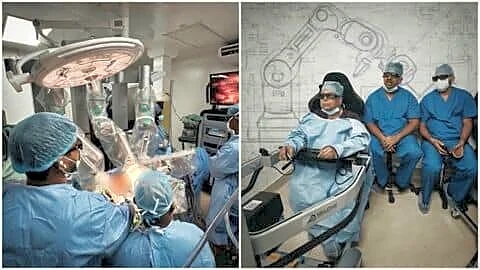
The field of neurosurgery has advanced dramatically in recent years, improving survival rates and treatment precision for brain tumour patients. Modern technologies now helping neurosurgeons include:- Neuronavigation systems
- Intraoperative neuromonitoring
- Fluorescence-guided surgery
- Awake craniotomy
- Minimally invasive endoscopic surgery
- Artificial intelligence-assisted treatment planning
/images/ppid_a911dc6a-image-178100723009942106.webp)


/images/ppid_a911dc6a-image-178102683067033020.webp)
/images/ppid_a911dc6a-image-178082243265344364.webp)
/images/ppid_a911dc6a-image-17809176404026867.webp)
/images/ppid_a911dc6a-image-178088683040176924.webp)

/images/ppid_a911dc6a-image-178092603915326666.webp)