Protein
isn’t just for building muscle; in fact, your body uses it to repair tissues, fight off illness, and even make hormones and enzymes. Most people think of eggs, chicken, and mutton when they hear "protein", but plant-based sources have a lot to offer, too. You don’t have to give up meat, either. Adding more plant-based protein is just a smart way to fuel your body and take care of your health, and very convenient for vegetarians.
What Is Plant-Based Protein?
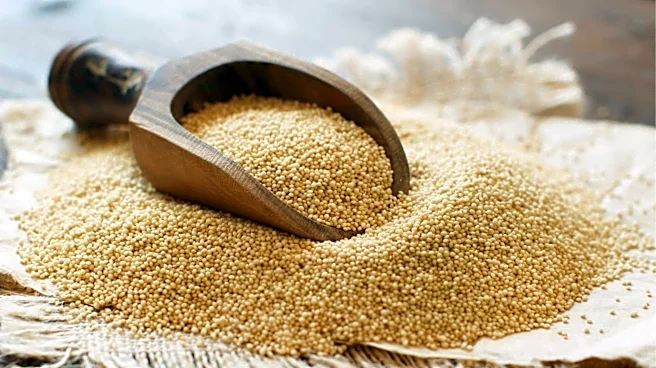
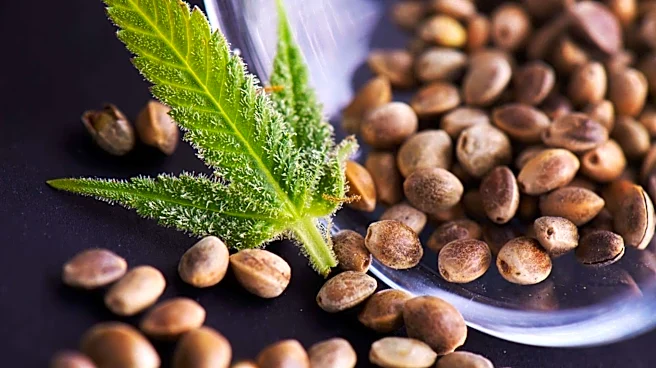
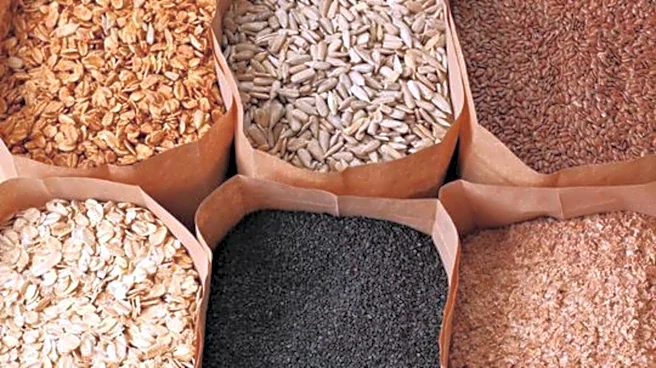
Plant-based proteins include beans, lentils, tofu, quinoa, nuts, seeds, and even some vegetables. Some of them must already be a part of your daily diet. The best part is, you’re not just getting protein. Foods like these pack in fibre, vitamins, minerals, and antioxidants, so they're nutritional powerhouses compared to many animal proteins.
Supports Heart Health
Plant proteins are naturally low in saturated fat and contain zero cholesterol. Studies link diets rich in these foods with lower LDL (bad) cholesterol, which means you’re helping your heart every time you swap beans for mutton. And beans, nuts, and seeds, loaded with healthy fats and fibre, can help lower your blood pressure and support heart function, too.
Aids in Weight Management
Plant-based proteins can help in weight management as well. Legumes, whole grains, and seeds are full of fibre that fills you up and keeps cravings in check. They’re often lower in calories but still satisfy, so you won’t feel like you’re missing out if you’re watching your portions. Unlike animal protein, plant-based sources deliver fibre that keeps things moving. A healthy gut is linked not just to better digestion but to stronger immunity and even improved mood.
Lowers Your Risk for Chronic Diseases
Eating more plants helps fend off a bunch of long-term health problems—think type 2 diabetes, high blood pressure, and some cancers. Plant foods are full of antioxidants and anti-inflammatory compounds. Lentils and whole grains help balance blood sugar, and nuts and seeds cut back on inflammation. It all adds up. On top of everything else, going for more plant protein helps the environment, too. Plants commonly require less water and land than raising animals, and overall make for a healthier environment. Opting for plant-based proteins like lentils over meat is actually good for the planet. Don’t stress about switching everything at once.
Simple swaps make a big difference—add chickpeas to a salad, reach for peanut butter or hummus as a snack, or use lentils instead of meat in your favourite stew. Mix up your proteins, like pairing rice with beans or loading hummus onto whole-grain bread, to cover all your amino acids. Plant-based protein can do a lot. It supports your heart, helps you keep a healthy weight, improves digestion, and lowers disease risk—all while being gentle on the environment. You don’t have to go fully vegetarian to benefit. Small and consistent changes in your diet will help you get healthier.
/images/ppid_a911dc6a-image-177501251056176475.webp)


/images/ppid_a911dc6a-image-177502924307689923.webp)