In a remarkable medical case that is drawing global attention, a young woman with advanced tongue cancer experienced a near-miraculous recovery after undergoing a combination of immunotherapy and chemotherapy. While such outcomes are rare, this case highlights the evolving potential of modern cancer treatments and offers hope for future breakthroughs. The patient, an international traveller from a remote Pacific island, presented with highly advanced tongue cancer. The tumour had spread extensively, from the base of the tongue to the throat, and had invaded surrounding neck muscles. After evaluation by a multidisciplinary tumour board, doctors concluded that the cancer was inoperable, ruling out immediate surgical intervention. In such critical
cases, oncologists often turn to alternative strategies aimed at shrinking tumors before considering surgery. “She was a young woman with highly advanced tongue cancer that extended from the base of the tongue to the back of the throat, also invading the muscles of the neck. Following a tumour board review, we collectively agreed that this was an inoperable case and explored alternative treatment options,” said Dr. Sachin Trivedi, Director- Medical Oncology, HCG Cancer Centre, explaining the details of the case. “We decided to try to shrink the tumour with treatment so that surgery might be possible later. In cases like this, a new kind of treatment called immunotherapy has been showing a lot of promise. I decided to use a combination of chemotherapy and immunotherapy to treat her,” he added.Also read: Autism Spectrum Disorder: Myths vs Facts Every Parent Must Know for Early Signs
The role of immunotherapy in cancer treatment
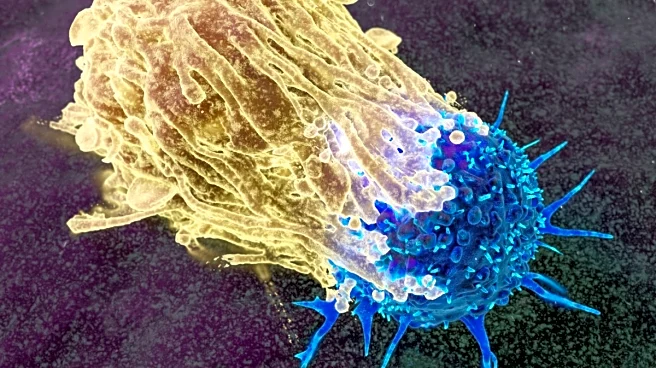
Doctors decided to treat the patient with a combination of chemotherapy and immunotherapy, an emerging approach in oncology. While chemotherapy directly attacks cancer cells, immunotherapy works by stimulating the body’s immune system to recognize and destroy cancer. This combination is increasingly being studied for its effectiveness in treating aggressive cancers, including tongue cancer and head-and-neck cancers.
Unexpected complications
Following the initial treatment, the patient returned home. However, within two weeks, she developed a severe skin reaction, a known side effect of immunotherapy drugs. Her condition worsened, requiring admission to the intensive care unit (ICU). Such immune-related side effects, while concerning, can sometimes indicate that the immune system is actively responding. “After a time in the hospital, she got better, and we were all very surprised to find out that the cancer had disappeared,” said Dr. Trivedi. After stabilizing, doctors made a shocking discovery: the cancer had completely disappeared. This level of response after just one round of treatment is extremely rare, especially in advanced-stage cancers. Medical experts stress that this outcome is not typical. Most patients require multiple cycles of therapy, and complete remission at such an advanced stage is uncommon.
What makes the case important?
This case is now being studied to understand why the patient responded so well. Researchers are exploring potential biomarkers and immune responses that could predict which patients might benefit most from immunotherapy. Understanding these factors could revolutionize cancer care by enabling personalised treatment plans tailored to individual patients. The success of immunotherapy has already transformed the treatment landscape for several cancers. While not a guaranteed cure, it offers new hope, particularly for patients with previously untreatable conditions. For tongue cancer, early detection remains critical. However, advanced therapies like immunotherapy are opening doors for cases once considered beyond treatment.
/images/ppid_a911dc6a-image-177511324744388787.webp)

/images/ppid_59c68470-image-17748925382262081.webp)
/images/ppid_a911dc6a-image-177483616791440339.webp)
/images/ppid_59c68470-image-177483756177846613.webp)

/images/ppid_a911dc6a-image-177504603453255261.webp)
/images/ppid_a911dc6a-image-177494805862718137.webp)


/images/ppid_a911dc6a-image-177492843320992040.webp)

/images/ppid_a911dc6a-image-177487522427015146.webp)