/images/ppid_a911dc6a-image-177812602914117851.webp)

/images/ppid_a911dc6a-image-17780532342776595.webp)
/images/ppid_a911dc6a-image-177799166720211539.webp)
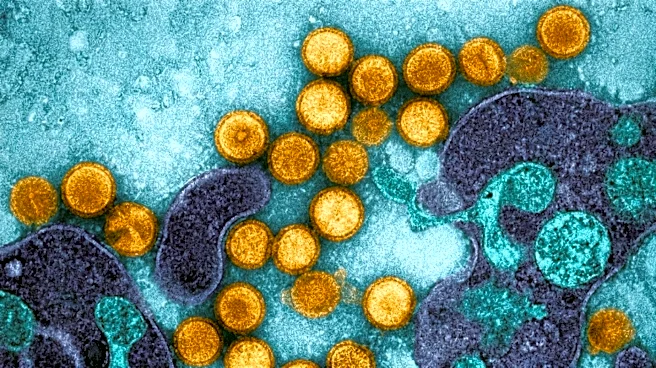

Growing concern over the hantavirus investigations has brought renewed attention to a rare strain known as the Andes virus. Unlike most hantaviruses, which spread mainly from rodents to humans, the Andes strain is one of the few known forms capable of limited human-to-human transmission. According to experts, while hantavirus can result in what’s called a dead-end infection, in which a human becomes infected after contact with animal droppings but doesn’t pass it on to anyone else, the Andes strain is an exception. It can spread between people, giving it the potential to spark outbreaks. While experts stress that the overall public health risk remains low, understanding how this virus spreads and why it is different is important for awareness
and prevention.Also read: Hantavirus Latest: More Cases Confirmed on Cruise Ship - WHO Says ‘Not Another COVID-19’
What is the Andes strain of hantavirus?
The Andes virus belongs to the hantavirus family, a group of viruses primarily carried by rodents. It is primarily found in parts of South America, particularly Argentina and Chile, where infected wild rodents serve as natural reservoirs. Like other hantaviruses, the Andes strain can cause Hantavirus Pulmonary Syndrome (HPS), a serious condition that affects the lungs and breathing. In 2018, nearly three dozen people in the tiny village of Epuyen in Argentina fell ill, with 11 eventual fatalities. Their illness, which caused many to be admitted to intensive care for pneumonia and severe breathing problems, was caused by the Andes strain.Why is the Andes strain different?
Most hantaviruses spread through exposure to infected rodent urine, saliva, or droppings. People typically become infected by inhaling contaminated particles in enclosed spaces. However, the Andes strain stands out because scientists have documented rare cases of person-to-person transmission. Research suggests the virus may spread through close contact with infected individuals, particularly during the early stages of illness or through exposure to bodily fluids. “There is very limited experience handling this virus,” Dr. Gustavo Palacios, a microbiologist at the Icahn School of Medicine at Mount Sinai in New York, told CNN news. Dr. Palacios, who was the director of the Center for Genome Sciences at the US Army Medical Research Institute of Infectious Diseases, helped piece together how the virus moved from person to person in a study that was published in 2020 in the New England Journal of Medicine. “Probably we are having less than – I don’t know, I’m giving you a number, just for a ballpark number – 300 cases in history” of human-to-human transmission of Andes virus and about 3,000 Andes cases overall, Palacios said. He is also part of a group of experts advising on the ongoing cruise ship outbreak. Palacios said the window for transmission of the Andes virus appears to be short - about a day. People are at their peak of infectiousness on the day they develop a fever.What are the symptoms?
Early symptoms of the Andes virus often resemble the flu, making early diagnosis difficult. Common symptoms include:- Fever and chills
- Fatigue
- Muscle aches
- Headaches
- Nausea or abdominal discomfort
Is the Andes virus strain deadly?
Yes, the virus can be severe. Hantavirus Pulmonary Syndrome linked to the Andes strain carries a high mortality rate, estimated at around 30 to 40 per cent in some outbreaks. However, experts emphasize that infections remain rare, and widespread outbreaks are unlikely because transmission between humans is limited and requires close contact.Should people be worried?
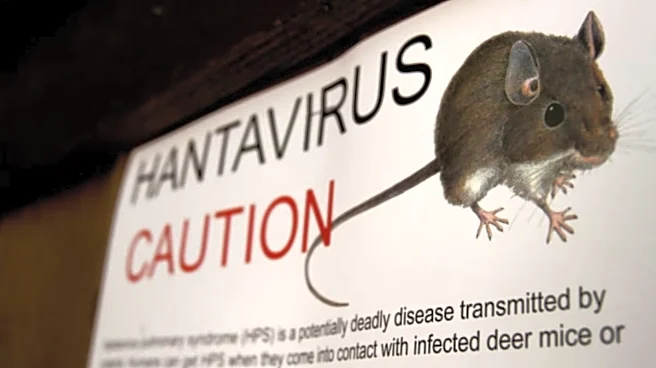
Health authorities, including the World Health Organisation, have said there is currently no reason for widespread panic. Unlike COVID-19, the Andes hantavirus does not spread easily through casual community interaction. Public health experts note that human-to-human spread is uncommon, most infections still originate from rodent exposure, and large-scale pandemic potential remains low. However, caution is important in areas where hantavirus cases are reported.How can you protect yourself?
Preventive measures focus mainly on avoiding rodent exposure:- Keep homes and storage areas clean
- Seal holes or gaps where rodents may enter
- Wear gloves and masks while cleaning dusty spaces
- Avoid direct contact with rodent droppings or urine



/images/ppid_a911dc6a-image-177812322923178262.webp)
/images/ppid_59c68470-image-177806756255519502.webp)

/images/ppid_a911dc6a-image-177804767066872492.webp)

/images/ppid_59c68470-image-177798757692680191.webp)
/images/ppid_a911dc6a-image-177796926164088979.webp)