The
United States Centers for Disease Control and Prevention (CDC) has reportedly activated its Emergency Operations Center and classified the ongoing hantavirus outbreak response as a “Level 3” emergency activation following growing international concern linked to the MV Hondius cruise ship outbreak. According to news reports, the classification remains the lowest emergency activation level used by the CDC and does not indicate a widespread public health crisis. However, experts say it signals that health authorities are actively monitoring the situation and coordinating response measures.Also read: Can You Test for Hantavirus at Home? Why Diagnosis Is Difficult and Complicated
What does a CDC “level 3” emergency mean?
According to experts, the CDC uses a tiered emergency response system during disease outbreaks, natural disasters, and other public health threats. A Level 3 activation is considered a limited emergency response, generally used when:
- Public health monitoring is needed
- The risk to the general public remains low
- Coordination between agencies becomes necessary
- Additional staffing support is required
Doctors and epidemiologists say the designation mainly reflects preparedness and surveillance rather than panic. The CDC’s Emergency Operations Center (EOC) helps coordinate outbreak investigations, laboratory analysis, contact tracing, international communication, and resource deployment.
Why did the CDC activate its emergency operations center?
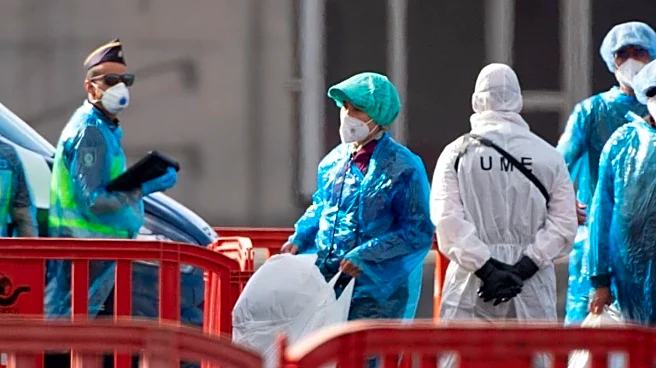
According to reports, activating the Emergency Operations Center means a dedicated response team has been assembled to manage the outbreak response. This may involve reassigning epidemiologists and infectious disease experts, monitoring international cases, supporting laboratory testing, coordinating with global health agencies, and tracking exposure risks and transmission patterns. Experts say such activations are routine during unusual infectious disease events involving international travel or potential cross-border transmission.
Why has the hantavirus outbreak received global attention?
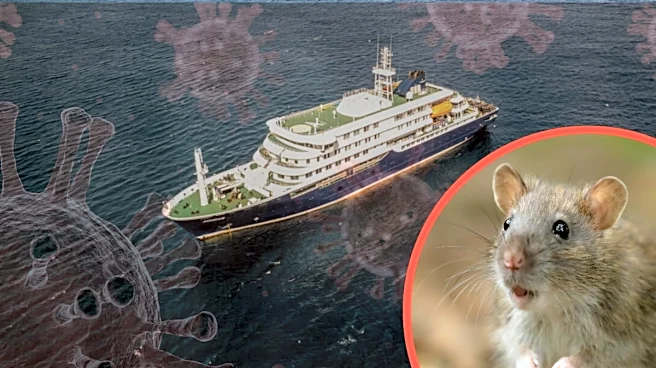
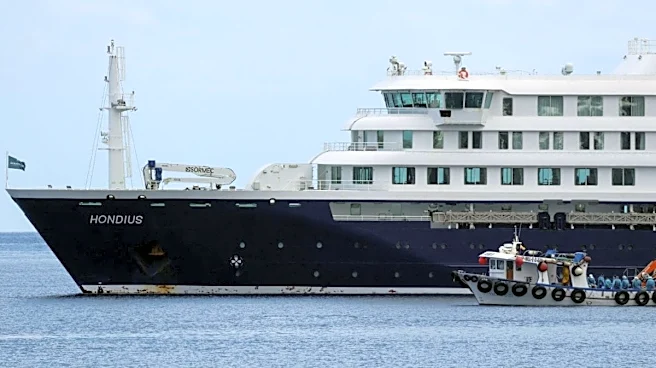
The current outbreak gained international attention after multiple suspected and confirmed cases were linked to the Dutch cruise ship MV Hondius. Health authorities have been especially concerned because the outbreak reportedly involves the rare Andes strain of hantavirus, the only known hantavirus variant capable of limited human-to-human transmission. Several passengers and crew members across multiple countries have undergone isolation, testing, monitoring, and contact tracing procedures. Despite global headlines, infectious disease specialists continue to stress that hantavirus behaves very differently from COVID-19.
How does hantavirus spread?
Most hantavirus infections occur after exposure to infected rodent urine, saliva, or droppings. People usually become infected by inhaling contaminated particles in enclosed spaces. The Andes strain is unusual because limited person-to-person transmission has been documented after prolonged close contact. However, doctors emphasize that hantavirus does not spread easily through casual community interaction like coronavirus, influenza, or measles.
Symptoms that are being monitored
Early hantavirus symptoms often resemble flu-like illness, including fever, muscle aches, fatigue, headache, nausea, and breathing difficulties. In severe cases, patients may develop Hantavirus Pulmonary Syndrome (HPS), a potentially fatal respiratory illness that can rapidly progress to respiratory failure and shock. Doctors say early supportive treatment significantly improves outcomes. Public health experts note that CDC emergency classifications are designed to improve coordination and preparedness rather than signal immediate danger to the public. A Level 3 activation mainly indicates that authorities are taking the outbreak seriously and ensuring rapid response capacity if more cases emerge. Health officials continue to maintain that the overall public risk remains low, though surveillance and international monitoring efforts are ongoing.
/images/ppid_a911dc6a-image-17782380643965935.webp)

/images/ppid_59c68470-image-177829503461918533.webp)
/images/ppid_a911dc6a-image-177823803080054474.webp)


/images/ppid_a911dc6a-image-177834442484455414.webp)
/images/ppid_59c68470-image-177848003710261605.webp)




/images/ppid_59c68470-image-177838005932973474.webp)
/images/ppid_59c68470-image-177842003299568320.webp)
/images/ppid_a911dc6a-image-177829962861126661.webp)