/images/ppid_a911dc6a-image-177933843938055547.webp)

/images/ppid_a911dc6a-image-177907522706781201.webp)
/images/ppid_a911dc6a-image-177908082469189346.webp)

What is the story about?

As
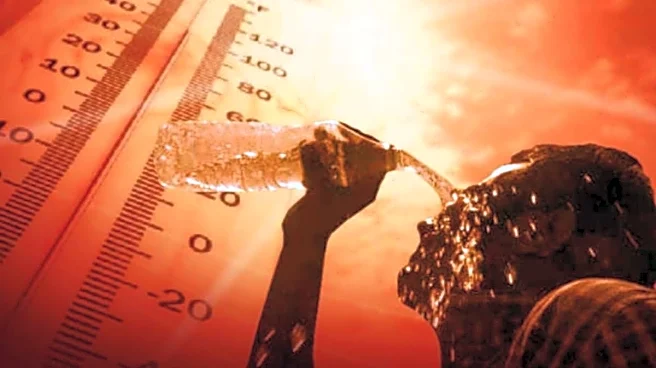
temperatures across parts of India continue to soar, extreme heat is becoming more than just uncomfortable - it can quickly turn life-threatening. When the mercury touches 46°C, the human body faces enormous stress, increasing the risk of dehydration, heat exhaustion, heatstroke, and even organ damage. Health experts warn that prolonged exposure to such intense heat can overwhelm the body’s natural cooling system, especially among children, older adults, outdoor workers, and people with chronic illnesses.Also read: 'Taking 35 Supplements a Day': Kim Kardashian Opens Up About Pill Fatigue, DEXA Scans, and Wellness Risks
How does the human body react to extreme heat?
The human body normally maintains an internal temperature of around 37°C. To cool itself, it sweats and increases blood circulation to the skin. But at extreme temperatures like 46°C, especially when humidity is high, these cooling mechanisms may stop working effectively. The result? The body begins overheating rapidly. Common symptoms of heat stress include:- Excessive sweating
- Dizziness and weakness
- Headaches
- Muscle cramps
- Rapid heartbeat
- Nausea or vomiting
- Extreme thirst
- Fatigue and confusion
Heat exhaustion vs heatstroke
Heat exhaustion occurs when the body loses too much water and salt through sweating. Symptoms may include clammy skin, fainting, heavy sweating, and weakness. Heatstroke, however, is far more dangerous. It happens when body temperature rises above 40°C, and the body can no longer regulate heat. Signs of heatstroke include:- Confusion or disorientation
- Hot, dry skin or stopped sweating
- Slurred speech
- Seizures
- Loss of consciousness
Why is 46°C heat dangerous for your organs?
Extreme heat forces the heart to work harder to pump blood toward the skin for cooling. This increases cardiovascular strain and may worsen conditions like high blood pressure or heart disease. Severe dehydration can also reduce blood flow to vital organs, potentially causing:- Kidney injury
- Electrolyte imbalance
- Low blood pressure
- Muscle breakdown
- Breathing difficulties
Who is most at risk?
Certain groups face a significantly higher risk during heatwaves:- Elderly individuals
- Infants and young children
- Pregnant women
- People with diabetes or heart disease
- Outdoor labourers and athletes
- Individuals without access to cooling or hydration
/images/ppid_a911dc6a-image-177925163087345144.webp)




/images/ppid_a911dc6a-image-177915409133845800.webp)