/images/ppid_a911dc6a-image-177605965147174376.webp)


/images/ppid_a911dc6a-image-177589722583546047.webp)

What is the story about?

Oatmeal
is often hailed as one of the healthiest breakfast options, but does it spike your blood sugar? The answer is not as simple as yes or no. While oats are generally considered a diabetes-friendly food, how your body reacts depends on the type of oatmeal you eat and how you prepare it. According to experts, blood sugar responses will vary for an individual, as your body may respond to high-glycemic index foods differently than someone else. Additionally, GI does not take portion size into account. Eating a small portion of a high-GI food may have less of an effect on your blood sugar compared to eating a large portion of a low-GI food.Also read: 'Rest Days Over Stress Days': Why Hrithik Roshan Feels Skipping Workouts Can Boost Health
Does oatmeal raise blood sugar?
Yes, oatmeal can raise blood sugar, but so does any carbohydrate-containing food. The key difference lies in how quickly it does so. Oats are packed with complex carbohydrates and soluble fibre – especially beta-glucan, which slows digestion and helps prevent sharp spikes in blood glucose levels. This means that, compared to refined cereals or white bread, oatmeal typically causes a more gradual rise in blood sugar.The glycemic index of oats
The GI measures how quickly foods raise blood sugar. Oats generally fall into the low-to-medium GI category, but not all oats are created equal:Steel-cut oats
These are low in GI, slow-digesting foods are considered best for stable blood sugarRolled oats
These have a moderate GI and are still a healthy optionInstant oats
They have the highest GI, are more processed, and can spike blood sugar faster. Experts say the more processed the oats, the quicker they break down into glucose.What happens after you eat oatmeal?
After a bowl of oatmeal, your body breaks down carbohydrates into glucose, which enters the bloodstream. Due to high fibre content, this process is slower, helping you feel full longer and avoiding sudden energy crashes. However, if your oatmeal is loaded with sugar, flavoured syrups, or sweetened milk, the benefits can quickly disappear, leading to blood sugar spikes similar to sugary cereals.Can you eat oats if you have diabetes?
According to experts, yes, and oatmeal can be a great option for people with diabetes when consumed correctly. Its fibre content helps improve insulin sensitivity and supports better blood sugar control. However, you need to be sure of the portion size and toppings. Eating large servings or adding high-sugar ingredients can still cause glucose levels to rise.How to prevent blood sugar spikes?
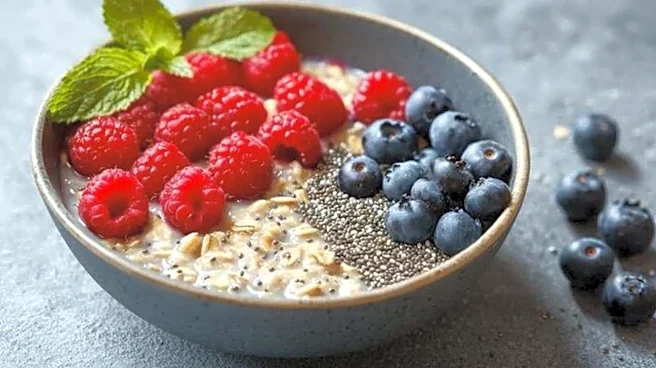
To make oatmeal truly blood sugar-friendly, follow these important tips:- Choose less processed oats, like steel-cut or rolled oats, for your breakfast meal
- Add protein like nuts, seeds, and Greek yogurt, which help to slow glucose absorption
- Include healthy fats like almond butter or chia seeds
- Limit added sugars such as honey, maple syrup, or even flavoured packets
- Add fibre-rich toppings like berries instead of sugary fruits
- Combining oats with protein and fat helps create a balanced meal that stabilizes blood sugar.
/images/ppid_a911dc6a-image-177596163082970907.webp)




/images/ppid_a911dc6a-image-17759812305748587.webp)