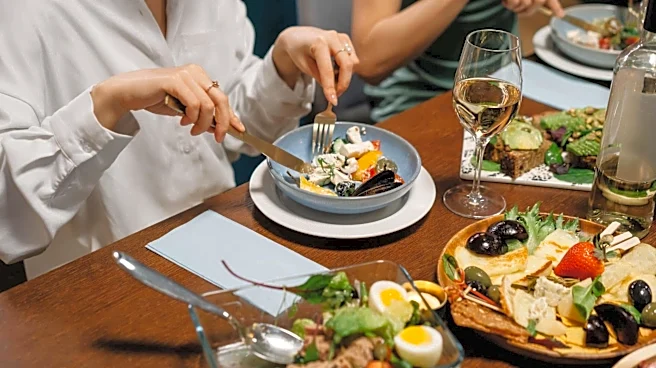
A simple change in the order of your meal, not the food itself, could help reduce blood sugar spikes after eating. According to Dr. Abhinav Kumar Gupta, senior Consultant, Endocrinology and Diabetes, Narayana Hospital, eating a bowl of fibre-rich salad before consuming roti or rice may improve your body's glucose response - particularly in those battling type 2 diabetes and prediabetes. While diabetes management has traditionally focused on calorie counting and carbohydrate intake, researchers are increasingly exploring food sequencing - the order in which different foods are eaten. This easy lifestyle habit may help reduce post-meal blood sugar levels without requiring people to give up their favourite foods. “It might seem like a trivial detail,
but eating a salad before the roti or rice can make a difference in how your body processes glucose after a meal,” said Dr. Gupta.Also read: 8 Million Indians Have This Silent Heart Condition - Atrial Fibrillation Could Trigger a Life-Threatening Stroke
What is food sequencing?
Food sequencing refers to eating vegetables and protein before carbohydrates. Research over the past decade suggests that consuming fibre-rich vegetables first slows gastric emptying, meaning food leaves the stomach more gradually. As a result, carbohydrates eaten later are absorbed more slowly, leading to a smaller and steadier rise in blood glucose. This simple adjustment can make a meaningful difference in postprandial blood sugar - the increase in glucose that occurs after meals. "The idea is that vegetables rich in fibre, when eaten first, slow the speed at which food leaves the stomach. This means that carbohydrates eaten later are absorbed more slowly into the bloodstream, causing a smaller and slower increase in blood sugar after eating,” said Dr. Gupta.
Why does eating salad first help?
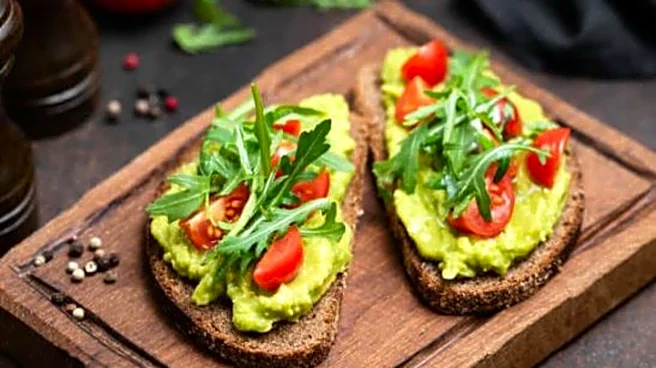
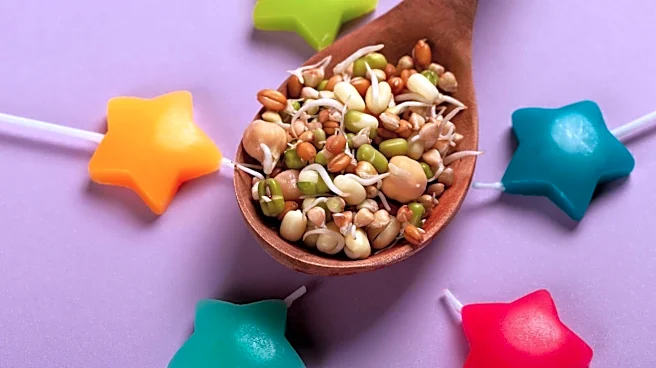
The best salads for blood sugar control are those made with non-starchy vegetables like cucumber, tomatoes, carrots, cabbage, lettuce, bell peppers, radish and spinach. These vegetables are naturally rich in dietary fibre and water, creating a "buffer" before carbohydrate-rich foods like roti or rice are eaten. Fibre slows carbohydrate digestion and helps prevent sudden glucose surges. Adding a source of protein, such as sprouts, paneer, curd, eggs or grilled chicken, may provide even greater benefits by slowing digestion further and improving satiety.
What does the study say?
Several clinical studies have found that people with type 2 diabetes who consumed vegetables and protein before carbohydrates experienced significantly smaller blood sugar spikes than those who ate carbohydrates first. The difference is often seen within one to two hours after a meal - the period when glucose levels usually peak. Researchers have also observed a reduced insulin response, which may lessen the workload on the insulin-producing beta cells of the pancreas over time. Although eating salad first is not a cure for diabetes, repeatedly reducing sharp glucose spikes may contribute to better long-term blood sugar management when combined with regular exercise, medication, and an overall healthy diet.
Not every salad is diabetes friendly
Dr. Gupta cautions that the quality of the salad matters. “Salads loaded with sweet corn, potatoes, crispy noodles, creamy dressings or sugary sauces may actually increase carbohydrate intake and defeat the purpose,” he said. Instead, choose a simple vegetable salad with minimal dressing. A squeeze of lemon, herbs or a teaspoon of olive oil is a healthier option than sugar-laden dressings.
What this trick cannot do
While food sequencing is supported by growing scientific evidence, it is not a licence to overeat carbohydrates. Eating salad before a meal cannot offset the effects of consuming several extra rotis, large portions of rice or sugary desserts. Portion control, balanced nutrition and regular physical activity remain the cornerstones of diabetes management. People who use a glucometer or continuous glucose monitor (CGM) may even notice that the same meal produces different blood sugar readings depending on the order in which it is eaten.
A small habit with big potential
Managing diabetes does not always require dramatic dietary restrictions. Sometimes, a simple habit - like finishing your salad before taking the first bite of roti - can help support healthier blood sugar levels. For people living with diabetes or prediabetes, this easy mealtime strategy may be a practical addition to a balanced diet. While it should never replace prescribed treatment, food sequencing is another reminder that how you eat can be just as important as what you eat.
/images/ppid_a911dc6a-image-178515122332824167.webp)




/images/ppid_a911dc6a-image-178514282868263310.webp)