/images/ppid_a911dc6a-image-17710448296527978.webp)


/images/ppid_a911dc6a-image-177081102966228140.webp)

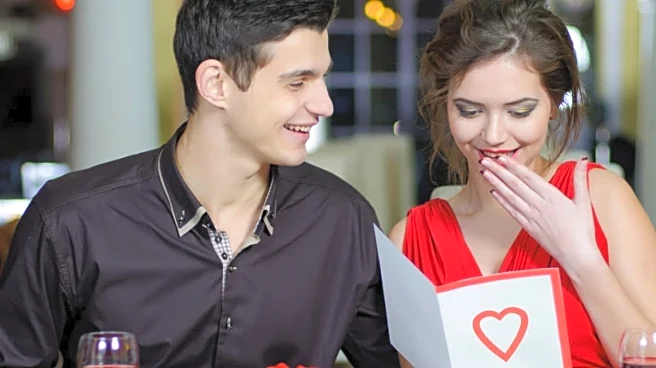
Valentine’s Day is marketed as the most romantic day of the year, with roses, candlelight dinners, and even social media declarations of love. However, for many, February 14 brings something else entirely - loneliness, anxiety, relationship stress, and self-doubt. According to mental health professionals, there is a noticeable rise in Valentine’s Day anxiety - especially in the week that leads up to the celebration. The pressure to appear happy, partnered, and emotionally fulfilled can intensify existing insecurities and relationship struggles. Psychologists say many people struggle to match up to society’s expectations of having a great relationship and not being single. And so, the question is - do we really need to match the stereotype that society created?
The hidden side of love and romance
Not everyone has a partner. And even those who do may not be in a blissful, picture-perfect relationship. Some feel anxious because they’re single and believe they are “falling behind.” Others are in relationships filled with unresolved conflict, yet feel pressured to perform happiness while watching friends post romantic tributes online. Psychologists say this comparison trap fuels chronic anxiety, low self-worth, and emotional distress. “Not just lonely, but also anxious lonely because we don’t have anyone to share this bond with, and may have very limited friends and family who may be away. And anxious because we may have relationships and partners, but there are difficulties and arguments, so your friend and their partner are joyful with love, and you and your partner are just about surviving with each other,” Sheena Sood, consultant in psychology and counsellor at P.D. Hinduja Hospital and Medical Research Centre, told Times Now.When a break-up feels like failure
Sood reveals an interesting case of a young man who sought therapy from her days before Valentine’s Day. “He had recently ended a long-term relationship but felt overwhelming guilt and misery as the Valentine’s Week” celebrations began - Rose Day, Propose Day, Chocolate Day,” she said. Watching his best friend celebrate with a partner intensified his feelings of inadequacy. He forgot something crucial: ending a relationship that no longer served him was actually an act of self-love. Through therapy, he began to understand that choosing emotional well-being over societal expectations is not failure - it is growth. Sustainable relationships start with self-respect. If you cannot value yourself, it becomes difficult to build healthy connections with others. “Therapy helped him realise that self-love over any kind of stereotypical love is necessary and the only way relationships can sustain because if you can’t love yourself, no one can love you, or you can hardly love someone else too,” said Sood.Also read: Toxic Chemicals Found in Hair Extensions: Cancer-Causing Risks RevealedDoes being single mean you are not enough?
Sood highlights another case, where her client believed being single meant she was unworthy. She measured her value by relationship status, ignoring her education, career goals, and personal development. However, therapy helped her reframe her perspective. “Being single is not a flaw — it can be a period of self-discovery and independence. Relationship status does not determine worth. Personal growth, ambition, and emotional health matter far more in the long run,” she said.Why does Valentine’s Day trigger anxiety?
According to Sood, a few reasons why the day can spike your stress include:- Social media comparison
- Cultural pressure to be in a relationship
- Fear of being alone
- Unresolved relationship conflicts
- Emotional wounds resurfacing
Ways to protect your mental health
So, if Valentine’s Day triggers anxiety, you must follow these expert-led tips, which include:- Limit social media consumption.
- Spend time with supportive friends
- Celebrate self-care and self-love
- Reflect on personal growth
- Seek professional help if feelings feel overwhelming
/images/ppid_a911dc6a-image-17710364781122582.webp)
/images/ppid_a911dc6a-image-177096644330164108.webp)
/images/ppid_a911dc6a-image-177089643644622181.webp)
/images/ppid_a911dc6a-image-177098224616495837.webp)


/images/ppid_a911dc6a-image-177092767520012684.webp)

/images/ppid_a911dc6a-image-177091964365144869.webp)