/images/ppid_a911dc6a-image-177816802680532265.webp)

/images/ppid_59c68470-image-177798757692680191.webp)

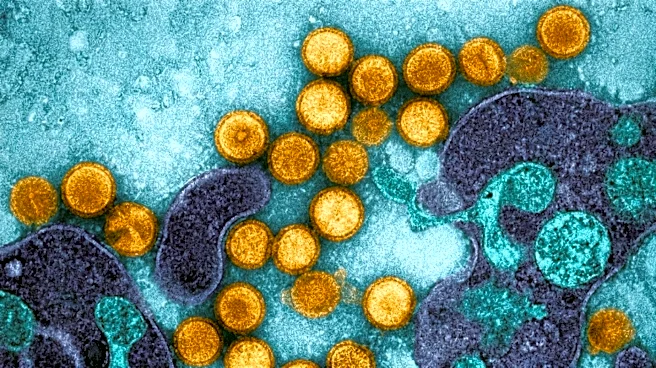

Singapore health authorities have isolated two residents after they were potentially exposed to the rare Andes strain of hantavirus aboard the cruise ship MV Hondius, which recently reported a deadly outbreak linked to multiple infections and deaths. According to Singapore’s Communicable Diseases Agency (CDA), the two men, aged 65 and 67 years, had been onboard the affected cruise ship and were also on the same flight from St Helena to Johannesburg on April 25 as a confirmed hantavirus patient who later died in South Africa. Both men arrived in Singapore earlier this month and are currently being monitored in isolation at the National Centre for Infectious Diseases (NCID) while awaiting test results.Also read: Hantavirus Patients Evacuated Across
European Ports: How Global Contact Tracing Kicks In During Outbreaks
Singapore authorities say public risk remains low
In an official statement, the CDA confirmed that both individuals are undergoing hantavirus testing as a precautionary measure. “One has a runny nose but is otherwise well, and the other is asymptomatic,” the agency stated, adding that the overall risk to the public in Singapore remains low. Health officials also outlined strict quarantine protocols. If the two men test negative, they will remain under quarantine for 30 days from their last known exposure, with repeat testing conducted before release. If either individual tests positive, authorities said they would remain hospitalised for treatment and observation, while contact tracing procedures would immediately begin to identify and quarantine close contacts.What is the Andes hantavirus?
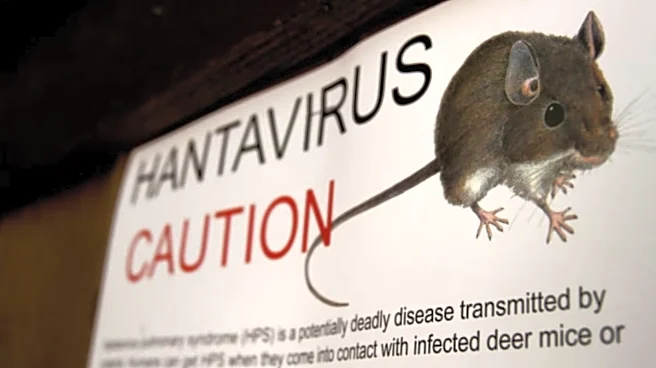
The Andes strain belongs to the hantavirus family, a group of viruses mainly spread through exposure to infected rodent urine, saliva, or droppings. The strain is primarily found in parts of Argentina and Chile. What makes the Andes variant particularly concerning is that it is one of the few hantaviruses capable of limited human-to-human transmission through prolonged close contact. The virus can cause Hantavirus Pulmonary Syndrome (HPS), a potentially life-threatening respiratory illness.Symptoms initially resemble those of the flu
Doctors say hantavirus symptoms often begin with common flu-like signs, making early diagnosis difficult. In severe cases, the infection can rapidly progress to respiratory failure and require intensive medical care. Symptoms may include:- Fever
- Muscle aches
- Fatigue
- Headache
- Nausea
- Dry cough
- Breathing difficulties

/images/ppid_a911dc6a-image-177815406543422853.webp)
/images/ppid_59c68470-image-177815506000998685.webp)



/images/ppid_a911dc6a-image-177812322923178262.webp)
/images/ppid_59c68470-image-177806756255519502.webp)