After
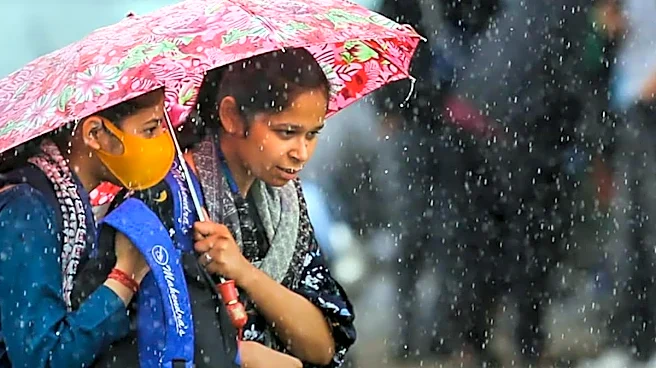
days of punishing heat across Delhi NCR and large parts of India, the sudden arrival of rain and thunderstorms may feel like relief. But medically, this sharp weather shift can bring its own set of health risks, some of which are easy to overlook. Over the past week, temperatures in several regions have hovered between 42°C and 47°C, pushing the human body to its limits. Prolonged exposure to such heat strains thermoregulation, dehydrates the body, and can trigger heat exhaustion or heatstroke. When rain abruptly interrupts this cycle, it doesn’t simply 'reset' conditions, it creates a new kind of environmental stress.
Effects Of Rain In Heatwave
One of the most immediate effects is a spike in humidity. After rainfall, especially following a heatwave, the air becomes heavy with moisture. High humidity reduces the body’s ability to cool itself through sweating. Even if the temperature drops slightly, the 'feels like' temperature can remain high, prolonging heat stress internally. This can leave people feeling fatigued, dizzy, or short of breath.
Sudden temperature fluctuations also challenge the immune system. Moving from extreme heat to relatively cooler, damp conditions within hours can make the body more susceptible to infections. This is particularly true for respiratory illnesses. The combination of moisture, dust, and pollutants stirred up by storms can irritate airways, triggering cough, throat infections, or worsening conditions like asthma and bronchitis.
Thunderstorm Asthma
There’s also a lesser-known phenomenon often referred to as 'thunderstorm asthma.' During storms, pollen grains can break into smaller particles due to moisture and wind, making them easier to inhale deep into the lungs. For individuals with allergies or asthma, this can lead to sudden breathing difficulties, even if they were previously stable.Water contamination is another concern. Heavy rain after extreme heat can wash pollutants, bacteria, and waste into water sources. This increases the risk of gastrointestinal infections, including diarrhea, food poisoning, and waterborne diseases. In urban areas, where drainage systems are often overwhelmed, stagnant water can further become a breeding ground for pathogens.
The body’s hydration balance also gets disrupted in unexpected ways. Many people reduce their water intake once the rain cools the air slightly, not realising that high humidity still causes fluid loss through sweat, just less visibly. This can lead to mild dehydration, headaches, and low energy levels. In addition to this mental and physical fatigue also play a role. Heatwaves already place stress on the cardiovascular system. Sudden weather changes can compound this, particularly for the elderly, children, and those with pre-existing conditions. Fluctuating atmospheric pressure during storms has even been linked to headaches and joint pain in some individuals.The key takeaway is that relief from heat does not equal safety. The transition period between extreme heat and sudden rainfall is when the body is most vulnerable. Staying hydrated, avoiding street food and contaminated water, maintaining indoor air quality, and being cautious about exposure to sudden weather shifts can help reduce risks. In short, while rain may break the heat, it introduces a different kind of strain, one that requires just as much awareness and care.
/images/ppid_a911dc6a-image-177762763660874573.webp)

/images/ppid_a911dc6a-image-177770322575463690.webp)





/images/ppid_a911dc6a-image-177786282188699611.webp)
/images/ppid_a911dc6a-image-177789082678638743.webp)

/images/ppid_a911dc6a-image-177764723431492580.webp)