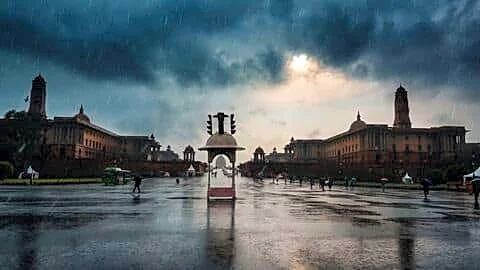
Step outside in any part of North India these days and you'll understand why weather apps are having a hard time keeping up. A bright, sunny morning can quickly turn into heavy rain by afternoon, only for the humidity to soar once the clouds clear. From Delhi and Chandigarh to Lucknow and Jaipur, the monsoon has become increasingly unpredictable, making it harder to know whether to carry an umbrella, wear a jacket, or stay hydrated for the heat.While these rapid weather shifts can be frustrating, they can also take a toll on your health. Constant changes in temperature and humidity create the perfect conditions for infections, allergies, dehydration, and even heat-related illnesses. The good news? A few simple habits can help you stay healthy,
no matter what the skies decide.Read More: Times Network India Health Awards 2026 Honours India's Healthcare Pioneers
Don't let the cooler breeze fool you
One of the biggest mistakes people make during the monsoon is drinking less water because they don't feel thirsty. However, high humidity means your body continues to lose fluids through sweat, even if you don't notice it. Dehydration can lead to headaches, fatigue, dizziness and poor concentration. Aim for enough water throughout the day, and include coconut water, lemon water or fresh fruits with high water content if you're spending time outdoors.
Dress for layers, not the forecast
North India's weather can swing from humid sunshine to windy showers within hours. Instead of dressing for just one condition, opt for lightweight, breathable fabrics that dry quickly. Carry a light rain jacket or umbrella rather than relying on heavy clothing that traps sweat and increases discomfort.
Wet feet are more than just uncomfortable
Walking through waterlogged streets is often unavoidable, but staying in wet shoes and socks for hours can increase the risk of fungal infections, athlete's foot and skin irritation. If your feet get soaked, wash them, dry them thoroughly and change into clean socks as soon as possible. Wearing waterproof footwear during heavy rain can also help.
Eat smart when humidity rises
Warm, humid weather encourages bacteria to multiply quickly, making food spoil faster than usual. Avoid cut fruits or street food that has been sitting out for long periods. Choose freshly cooked meals, wash fruits and vegetables thoroughly, and store leftovers properly. Your digestive system will thank you.
Keep mosquitoes from making themselves at home
The monsoon brings stagnant water, which becomes an ideal breeding ground for mosquitoes. Empty water collected in pots, coolers and buckets regularly. Use mosquito repellents, wear full-sleeved clothing during the evening and keep windows screened whenever possible to reduce the risk of diseases such as dengue and malaria.
Be prepared for allergies
The combination of rain, dust, mould and pollen can trigger sneezing, itchy eyes and breathing problems in susceptible individuals. Keep your home well-ventilated, avoid damp corners where mould grows, and dry clothes completely before storing them. If you have asthma or allergies, always keep your prescribed medication within easy reach.
Don't ignore the sun
Cloud cover often creates the illusion that UV rays are weaker, but they can still penetrate through the clouds. Apply sunscreen if you're heading outdoors, especially during midday, and wear sunglasses if you're spending extended periods outside.
Sleep and immunity matter more than ever
Changing weather can affect sleep quality and weaken your immune system over time. Prioritise seven to eight hours of sleep, eat a balanced diet rich in seasonal fruits and vegetables, and stay physically active—even if your workout shifts indoors because of the rain.North India's monsoon may remain unpredictable, but your health doesn't have to be. Preparing for both sunshine and showers, staying hydrated, practising good hygiene and listening to your body's signals can help you enjoy the season without letting sudden weather changes catch you off guard. After all, when the forecast refuses to make up its mind, your best defence is being ready for anything.
Read More: If Doctors Could Prescribe Just 10 Things For A Longer Life, Here's What Would Make The List
/images/ppid_a911dc6a-image-17829056321764314.webp)










/images/ppid_a911dc6a-image-178304562878253183.webp)