/images/ppid_a911dc6a-image-177086565159830523.webp)


/images/ppid_59c68470-image-177064009202239839.webp)


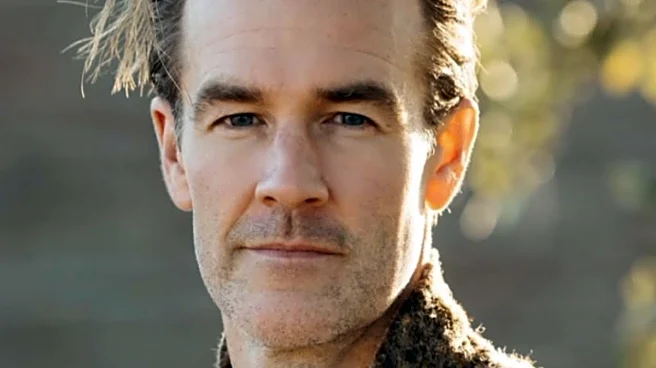
James Van Der Beek, the star of 90s teen drama Dawson’s Creek, died of colon cancer at the age of 48, his family confirmed. “He met his final days with courage, faith, and grace,” a statement said. “There is much to share regarding his wishes, love for humanity, and the sacredness of time. Those days will come. For now, we ask for peaceful privacy as we grieve our loving husband, father, son, brother, and friend.” James had revealed his stage 3 diagnosis in November 2024. Since his diagnosis, James sought to bring attention to the early signs of colon cancer, a disease that is increasingly affecting younger adults. Also known as colorectal cancer, colon cancer, once considered a condition primarily affecting people over 50, is now being diagnosed
more frequently in individuals in their 30s and 40s. Doctors worldwide have raised alarms about this shift, urging greater awareness of subtle early symptoms that are often ignored.
The first sign of colon cancer that James missed
In an interview after his diagnosis, the Varsity Blues star revealed the first warning sign of his colon cancer – the one that he said did not seem alarming at the time. James said he did not find anything glaring and was in his best physical shape when his diagnosis came. The one symptom that James experienced was a change in bowel movements, which the actor chalked up to an effect of his coffee consumption. Because these symptoms can resemble common digestive issues like irritable bowel syndrome (IBS), food intolerance, or stress-related gut disturbances, many people delay medical evaluation. “I didn’t even realise the screening age [had dropped to 45; I thought it was still 50,” he told Healthline. However, out of caution, the Hollywood actor felt the need to see his doctor, and a colonoscopy result revealed his diagnosis. Data says rates of early-onset colorectal cancer in the United States have almost doubled since the early 1990s. Doctors blame it on changing lifestyles, especially among youngsters.Other early signs of colon cancer that most people overlook
Doctors say you should not ignore: Blood in stool (bright red or dark) Unexplained weight loss Persistent fatigue Iron-deficiency anemia Bloating or abdominal pain lasting weeks In many cases, early-stage colon cancer does not cause dramatic symptoms. That’s why subtle, ongoing digestive changes should never be brushed aside.Why does early detection matter?
When detected early, colon cancer has a significantly higher survival rate. According to global cancer data, localized colorectal cancer can have a five-year survival rate above 90 per cent. However, once it spreads to distant organs, survival rates drop sharply. Screening methods such as:- Colonoscopy
- Fecal occult blood tests
- Stool DNA testing
Who is at risk of colon cancer?
A few risk factors for colon cancer that doctors say are worth taking note of include:- Family history of colorectal cancer
- Obesity or being overweight
- Sedentary lifestyle
- A diet high in processed or red meat
- Smoking and excessive alcohol use
- Inflammatory bowel disease
/images/ppid_a911dc6a-image-177072563100947154.webp)

/images/ppid_a911dc6a-image-177084603066450478.webp)
/images/ppid_a911dc6a-image-177084257810510483.webp)
/images/ppid_a911dc6a-image-17706976242047586.webp)
/images/ppid_a911dc6a-image-177078442745915794.webp)
/images/ppid_59c68470-image-177078266477088748.webp)

/images/ppid_a911dc6a-image-177063883543242302.webp)
