/images/ppid_a911dc6a-image-177898563216499083.webp)

/images/ppid_a911dc6a-image-177915666876766022.webp)
/images/ppid_a911dc6a-image-177915670284823929.webp)
/images/ppid_a911dc6a-image-177915642028278768.webp)
What is the story about?

High
blood pressure, also known as hypertension, is often called the “silent killer” because it can develop for years without obvious symptoms. Yet on World Hypertension Day, doctors are reminding people that the body - and even your face - may sometimes offer subtle warning signs that should not be ignored. While facial changes alone cannot diagnose hypertension, experts say certain symptoms linked to uncontrolled blood pressure may become visible over time. Recognizing these signs early and getting regular blood pressure checks can help reduce the risk of heart disease, stroke, kidney damage, and other serious complications.Also read: Is Formula Feeding Raising the Risk of Fatty Liver Disease in Children? Doctors Sound Alarm
Can your face show signs of high blood pressure?
According to health experts, high blood pressure does not always produce clear physical symptoms. However, severe or long-standing hypertension can affect blood vessels, circulation, and overall health, sometimes leading to noticeable facial changes.Facial redness
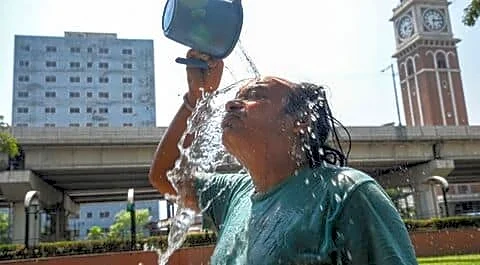
One commonly discussed sign is facial flushing or redness. This can happen when blood vessels in the face temporarily widen due to stress, heat, alcohol, spicy foods, or sudden spikes in blood pressure. Although facial redness alone does not confirm hypertension, frequent flushing combined with headaches or dizziness may signal the need for a medical evaluation.Puffy face or swelling
Persistent facial puffiness may sometimes indicate fluid retention linked to kidney problems, which can occur in people with uncontrolled high blood pressure. Swelling around the eyes or cheeks should not be ignored, especially if accompanied by fatigue or changes in urination.Visible blood vessels in the eyes
Doctors also warn that hypertension can damage tiny blood vessels in the eyes, a condition known as hypertensive retinopathy. In some cases, people may notice redness in the eyes, blurry vision, or burst blood vessels. Eye specialists can often detect signs of high blood pressure during routine eye examinations.Stress-related expressions
Chronic stress is a major contributor to hypertension. Experts say tension in facial muscles, jaw clenching, tired-looking eyes, and poor sleep patterns may reflect stress levels that indirectly increase blood pressure over time.Symptoms you must never ignore
Most people with hypertension experience no symptoms at all. However, dangerously high blood pressure may trigger warning signs such as:- Severe headaches
- Dizziness
- Chest pain
- Shortness of breath
- Blurred vision
- Nosebleeds
- Fatigue

/images/ppid_a911dc6a-image-177915852476264883.webp)
/images/ppid_a911dc6a-image-177915855248335272.webp)
/images/ppid_59c68470-image-177915763464229866.webp)

/images/ppid_59c68470-image-177915756105826775.webp)
/images/ppid_59c68470-image-177915760188450396.webp)
/images/ppid_59c68470-image-17791575282439755.webp)
/images/ppid_59c68470-image-177915753247431073.webp)
/images/ppid_59c68470-image-177915756510316647.webp)