Every winter, stretched, itchy, and flaky skin becomes almost a seasonal complaint. While you may blame the cold air, low humidity, and endless hot showers, they do play a major role – experts believe they are only part of the story. “Clinical experience shows that diet choices and daily skincare habits strongly influence how severe and long-lasting winter skin problems become. The skin is often one of the first places where poor nutrition and neglect show up,” said Dr Malavika Asok, an aesthetic physician. However, the good news, according to Dr Asok, is that winter skin problems are not inevitable. Simple, science-backed changes in diet and skincare - focused on antioxidants, healthy fats, and barrier-supporting products- can significantly
improve skin comfort, softness, and resilience during colder months. “Understanding these connections can help you protect your skin more effectively and keep it healthy, supple, and comfortable all winter long,” she said.
Antioxidants protect skin
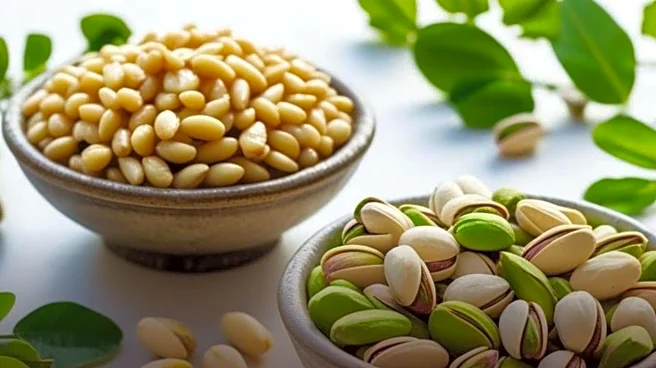
Daily exposure to sunlight, pollution, and stress weakens the skin and speeds up visible ageing. Dr Asok stresses taking antioxidants from food that help protect skin cells, support repair, and reduce damage that leads to dryness, dullness, and fine lines. “Vitamins found in fruits, vegetables, nuts, and seeds also help defend the skin against sun-related damage and support healthier ageing from within,” she said.
Healthy fats make skin soft
There has to be a right balance of fats for your skin to remain smooth, resilient, and well-hydrated. When the diet is imbalanced, the skin loses moisture more rapidly, leading to dryness, roughness, and flaking. Including balanced cooking oils and natural fat sources, particularly those rich in vitamins A and E, and essential omega-3 and omega-6 fatty acids, such as palm oil and mustard oil, supports skin health from within. “Topical application of oils, including olive oil, virgin coconut oil, flaxseed oil, and jojoba oil, helps strengthen the skin’s protective barrier and soothe winter-related irritation,” said Dr Asok.
Food plays a major role in skin dryness
Cold air and heaters dry out the skin from the outside, but what you eat affects how well your skin holds moisture from the inside. Diets low in good fats and fresh foods can make skin feel stretched, itchy, and flaky for longer during winter. Eating a rainbow of seasonal fruits and vegetables provides natural antioxidants that help protect skin, slow visible ageing, and improve overall skin resilience.
Choose moisturisers that support skin health
Look for creams or moisturisers that contain tocotrienols – a type of vitamin E – which prevents moisture loss, softens dry skin, and protects skin cells from daily damage. Tocotrienols, found naturally in plant oils such as palm oil, rice bran, and annatto bean, also help protect collagen - the protein that keeps skin firm and supple, promoting a healthier, plumper appearance and better moisture retention in winter. Formulations based on these oils are particularly useful for dry and winter-stressed skin, as they help soften rough patches, support hydration, and maintain skin comfort over time.
Also read: Parkinson’s Warning Sign: This Nose Symptom May Appear Years Before Diagnosis
Create a simple winter night routine
“Keep showers short and warm, not hot. Use a gentle cleanser and apply a rich moisturiser before bed while the skin is still slightly damp. Night-time is when the skin repairs itself, and locking in moisture at this stage can make a visible difference by morning,” said Dr Asok. Moisturisers with palm-derived oils and vitamin E can offer added support against daily environmental stress.
Take daily habits seriously
Drink water regularly, moisturise after every wash, and protect exposed skin from cold winds with scarves, gloves, and layers. Do not skip sunscreen, as winter sun can weaken the skin and speed up ageing.
/images/ppid_a911dc6a-image-177045124088352788.webp)







/images/ppid_a911dc6a-image-177038123690899402.webp)