India’s pharmaceutical sector is navigating a critical inflection point as the ongoing Hormuz crisis drives a sharp spike in input costs, exposing structural vulnerabilities, especially among MSME drug manufacturers. What appears to be a geopolitical supply disruption is rapidly evolving into a public health concern, with implications for generic medicine availability, drug pricing, and healthcare affordability in India. At the heart of the issue is a steep rise in petrochemical-derived pharmaceutical solvents, which have surged by 30 to 40 per cent within weeks. “Pharmaceutical solvents derived from petrochemicals have surged 30–40% within weeks, while vessel shortages are restricting the flow of goods from China, which remains the largest
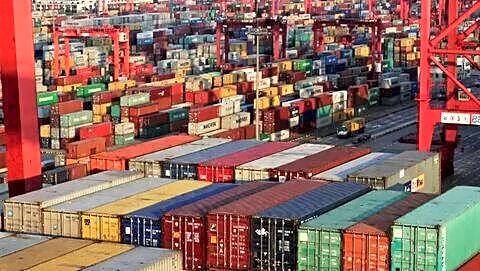
raw material supplier to Indian manufacturers,” Hari Kiran Chereddi, MD and CEO of HRV Pharma, told Times Now. These solvents are essential for producing active pharmaceutical ingredients (APIs), excipients, and formulations. Simultaneously, vessel shortages and logistical bottlenecks are constraining imports from China, India’s largest supplier of raw materials for drug manufacturing.
India’s MSME pharma manufacturers are vulnerable
For large pharmaceutical companies, such volatility can be managed through inventory buffers and pricing leverage. However, India’s vast base of MSME pharma manufacturers, which produce a significant share of the country’s low-cost generic medicines, is far more vulnerable. These firms typically operate on thin margins, lean inventories, and fixed-price contracts, leaving little room to absorb sudden multi-input cost shocks. As a result, drug price hikes of 10 to 20 per cent are already being implemented across several categories, not as a strategic move, but as a survival mechanism to keep production lines operational. Yet, even these adjustments may not be enough.Also read:
Heatwave Alert: Why Hot Weather Is Dangerous for Heart Patients
Supply chain reliability may get hit
The deeper concern lies in supply chain reliability. When faced with sustained cost pressures, MSMEs are likely to deprioritize or halt production of low-margin essential drugs, a rational business response, but one that could have serious consequences for public health. Medicines for chronic conditions such as hypertension, diabetes, and infections - often supplied as affordable generics - are particularly at risk. “What concerns me is the downstream effect on supply reliability. If MSME manufacturers begin deferring production on lower-margin molecules, which is the rational response to unabsorbable cost increases, the first casualties will be essential generics. That is a public health risk hiding inside a cost story,” said Chereddi.
This creates a ripple effect across the healthcare system. Reduced availability of essential drugs can lead to treatment interruptions, higher out-of-pocket expenses, and increased burden on public health infrastructure. In a country where affordability is already a barrier to care, such disruptions could widen health inequities. Policy intervention is underway, but its effectiveness will depend on speed and scope. The government’s move to provide customs duty relief on petrochemical inputs offers some immediate cost easing. However, industry experts argue that the more decisive lever lies with the National Pharmaceutical Pricing Authority (NPPA). Greater pricing flexibility for essential medicines—particularly those under price control—could enable MSMEs to maintain production without incurring unsustainable losses. Without such support, the risk is not just financial stress on manufacturers, but systemic disruption in India’s generic drug supply chain. The Hormuz crisis has underscored a critical reality: India’s pharmaceutical resilience is only as strong as its MSME backbone. Addressing immediate cost pressures is essential, but long-term solutions must include supply chain diversification, domestic API production, and more adaptive pricing frameworks. Because ultimately, this is not just an industry story; it is about ensuring uninterrupted access to affordable medicines for millions in need.
/images/ppid_a911dc6a-image-17762472331149738.webp)


/images/ppid_a911dc6a-image-177623262579354896.webp)


/images/ppid_a911dc6a-image-177621863516613488.webp)
/images/ppid_a911dc6a-image-177610307049074594.webp)