One of the two nurses, who had tested positive for the Nipah virus, was discharged from the hospital in Barasat, hospital officials said. The other nurse continues to remain critical and on ventilation support. Both the male and the nurses had tested positive for Nipah earlier this month. According to the hospital authorities, the nurse was responding well to consistent medical treatment, offering a rare note of relief amid ongoing concern over the deadly infection. Given the virus’s high fatality rate and history of rapid spread in healthcare settings, the nurses immediately placed the patient in strict isolation and initiated intensive monitoring. A dedicated team of doctors and infection-control specialists oversaw the treatment, following
established Nipah management protocols. “Of the two Nipah patients admitted to our hospital, the male nurse has remained afebrile and hemodynamically stable for the past one week, without any oxygen requirement. He is tolerating oral intake well and has been mobilised out of bed under close clinical observation. He has also completed the prescribed antiviral course and is now clinically stable,” an official of the hospital was quoted by The Telegraph.
The other nurse is still critical
The female nurse, on the other hand, remains on ventilation by tracheostomy, with stable oxygen requirements. “Her blood pressure is being maintained with vasopressor support, though the dosage requirement has been progressively decreasing. Neurologically, her status remains unchanged with no seizure activity noted,” said the official. All the contacts of both patients have tested negative for Nipah.
Also read: Why has the Nipah Virus Triggered Global Concern?
What is the Nipah virus?
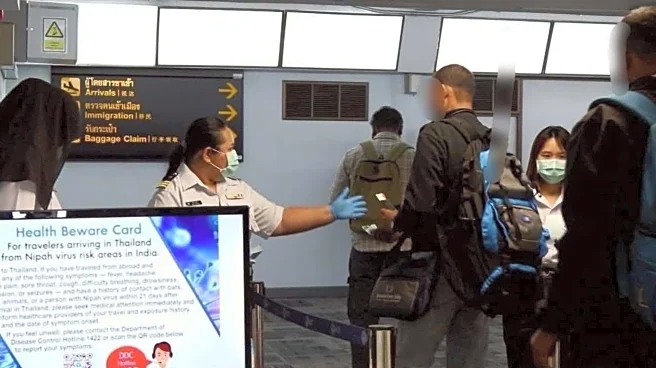
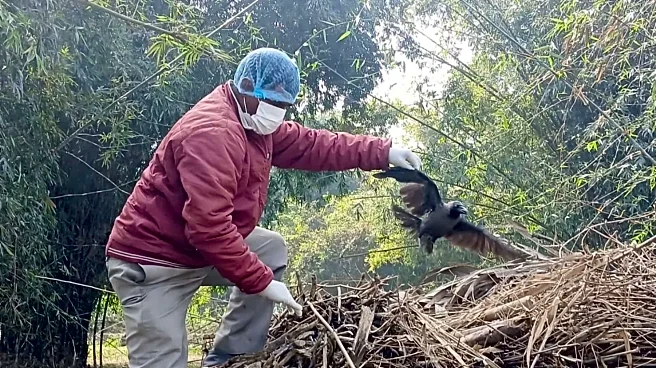
Nipah is a zoonotic disease, meaning it can spread from animals to humans, most commonly through fruit bats. Human-to-human transmission has also been documented, particularly in hospital and caregiving settings. Symptoms of this deadly virus range from fever and headache to acute respiratory distress and encephalitis, or inflammation of the brain. In severe cases, it can be fatal. Authorities stressed that the discharge does not signal the end of vigilance. Contact tracing continues for those who may have been exposed, and all identified contacts are being monitored for symptoms. Surveillance has also been intensified in surrounding areas, with health teams advising the public to report any signs of fever, headache, or respiratory distress promptly.
Public health officials reiterated preventive measures, including avoiding consumption of fruits that may have been contaminated by bats, maintaining hygiene, and following hospital safety guidelines. Healthcare workers have been reminded to use personal protective equipment consistently and adhere strictly to infection-prevention protocols.
No vaccine available
While no vaccine or specific antiviral treatment for the Nipah virus is currently available, recoveries such as this one offer cautious optimism. Experts note that outcomes can vary widely depending on how early the infection is detected and how quickly supportive care begins.
/images/ppid_a911dc6a-image-177002002358023319.webp)


/images/ppid_a911dc6a-image-176976243764840244.webp)





/images/ppid_a911dc6a-image-177000042501423733.webp)

/images/ppid_a911dc6a-image-17697960348419462.webp)
/images/ppid_a911dc6a-image-176974845539983776.webp)