/images/ppid_a911dc6a-image-177755763331372956.webp)

/images/ppid_a911dc6a-image-177734763013722273.webp)

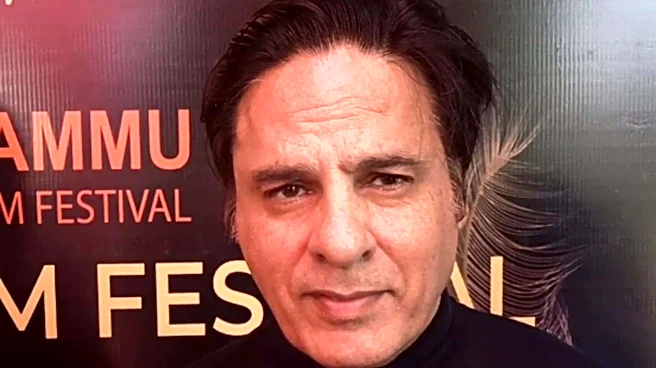
When Rahul Roy recently responded to trolls over a viral reel, it reignited an important conversation about brain stroke recovery. Having survived a stroke himself, Roy’s public appearance and candid reaction highlighted a reality many overlook - recovery from a stroke is not quick, simple, or linear. The 60-year-old actor, who rose to fame with the 1990 film Aashiqui, hit back at those who "mocked" his dance with a relatively lesser-known content creator by sharing a statement on Instagram, hinting at his financial struggles. "I do my work with honesty and modesty. I have some legal matters to pay for, and these are not from today - they are from before the brain stroke happened," Rahul wrote.According to news reports, Roy suffered an ischemic
stroke in November 2020 while he was filming the movie LAC: Live the Battle in Kargil in Kargil, where extreme weather conditions and high altitude may have triggered the condition. He was diagnosed with aphasia - impaired speech, and was hospitalized at Mumbai's Nanavati Hospital for a long recovery. Experts say a brain stroke not just slows you down but can take both physical and mental health for a huge toss.
Understanding stroke and its impact
A brain stroke occurs when blood flow to a part of the brain is interrupted, depriving brain cells of oxygen. This can lead to lasting damage affecting speech, movement, memory, and emotional health. Stroke is one of the leading causes of death and disability worldwide, and recovery outcomes vary greatly depending on how quickly treatment begins and the severity of the damage.Also read: Golden Hour in Stroke: How Fast Action Prevents Severe Brain DamageWhy is stroke recovery challenging?
Recovery from a stroke is often a long and demanding journey. While some individuals may regain functions within weeks, others may take months or even years. In many cases, patients do not fully return to their pre-stroke condition. A few common post-stroke challenges include:- Weakness or paralysis on one side of the body
- Difficulty speaking or understanding language – or aphasia
- Problems with memory and cognition
- Emotional changes such as anxiety or depression
- Reduced coordination and balance
The reality behind stroke rehabilitation
Stroke recovery depends heavily on rehabilitation therapy, which often involves a combination of physiotherapy to improve mobility and strength, speech therapy to regain communication skills, and even occupational therapy to relearn daily tasks. Consistency and patience are key. Progress may feel slow, and setbacks are common. This is why public perceptions - often shaped by brief social media clips- can be misleading. A short video cannot capture the months of effort, frustration, and resilience that go into recovery.Emotional and social aspects of recovery
Beyond physical healing, stroke survivors often face emotional struggles. Being mocked or misunderstood, as seen in Roy’s case, can add to the psychological burden. Many survivors experience a loss of independence, changes in identity, and social isolation. Experts emphasise the need for compassion and awareness. Stroke recovery is not just about physical improvement- it is about rebuilding confidence and adapting to a new normal. One of the most critical factors in stroke outcomes is early medical intervention. Recognising warning signs like sudden numbness, confusion, trouble speaking, or severe headache can save lives and reduce long-term damage. The widely used FAST method can help identify stroke symptoms quickly:- Face drooping
- Arm weakness
- Speech difficulty
- Time to seek immediate medical help

/images/ppid_a911dc6a-image-177751353302241158.webp)


/images/ppid_a911dc6a-image-177730007119877148.webp)
/images/ppid_a911dc6a-image-177734209657834668.webp)
/images/ppid_a911dc6a-image-177745402687362979.webp)
/images/ppid_a911dc6a-image-177729983401418745.webp)