Most
people think of milk as the gold standard for calcium—but it’s far from the only option. In fact, several everyday foods quietly pack more calcium per serving than a standard glass of milk (about 300 mg). If you’re lactose intolerant, vegan, or simply looking to diversify your diet, these choices can help you meet your calcium needs in a more interesting—and often more nutrient-dense—way.
1. Sesame Seeds (Til)
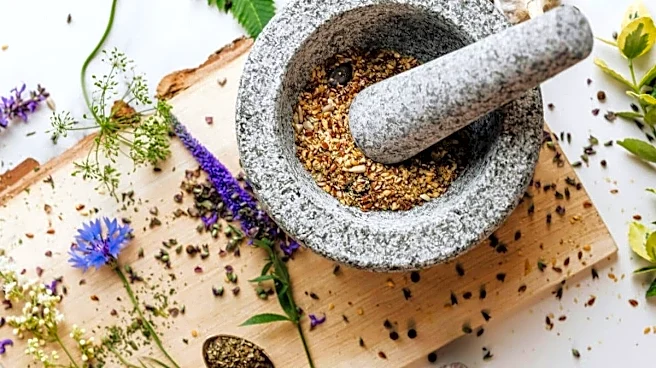
A single tablespoon of sesame seeds contains roughly 85–90 mg of calcium, which adds up quickly in real portions. Just two tablespoons sprinkled over salads or blended into chutneys can rival milk. What makes sesame especially powerful is its combination of calcium with magnesium and phosphorus—minerals that work together for bone strength. Traditional Indian foods like til laddoos or chutneys aren’t just festive—they’re functional nutrition.
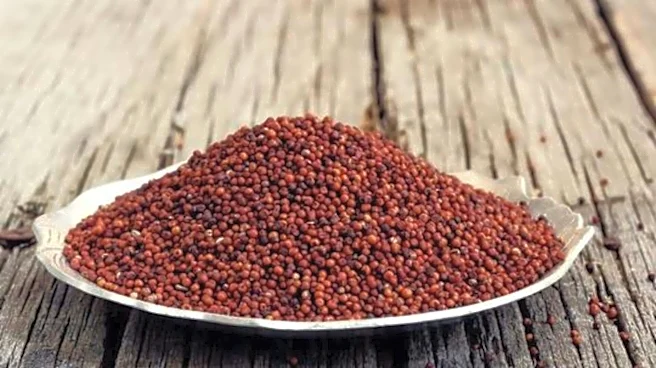
2. Ragi (Finger Millet)
Ragi is one of the richest plant sources of calcium, offering about 350–400 mg per 100 grams—more than milk. It’s been a staple in South Indian diets for generations, especially for children and older adults. Unlike many grains, ragi also contains compounds that slow digestion, helping steady blood sugar levels. Whether in dosa, porridge, or rotis, it’s a quietly powerful addition to everyday meals.
3. Amaranth Leaves (Chaulai)
Leafy greens can be tricky—some contain calcium that isn’t easily absorbed—but amaranth leaves are an exception. A cooked cup can deliver over 250 mg of bioavailable calcium. They’re also rich in iron and vitamin C, making them especially useful for those dealing with anemia alongside bone health concerns. Light sautéing helps improve absorption even further.
4. Tofu (Calcium-Set)
Not all tofu is created equal. When tofu is prepared using calcium salts (check labels for calcium sulfate), it becomes a calcium powerhouse—often delivering 350–400 mg per 100 grams. It’s also one of the few plant-based foods that offers complete protein, making it particularly valuable for vegetarians. Its neutral taste means it easily absorbs spices, whether in curries or stir-fries.
5. Almonds
Almonds provide around 250 mg of calcium per 100 grams. While you’d rarely eat that much in one sitting, even a small handful contributes meaningfully. More importantly, almonds offer healthy fats and vitamin E, which support overall cellular health. Soaking them overnight, a common practice in Indian households, may also improve mineral absorption.
6. Sardines (With Bones)
For non-vegetarians, sardines are among the most efficient calcium sources. A small serving (around 100 grams) can provide over 350 mg of calcium, largely because you consume the soft, edible bones. They also bring omega-3 fatty acids and vitamin D into the mix—two nutrients that actively help your body absorb calcium more effectively.
7. Chia Seeds
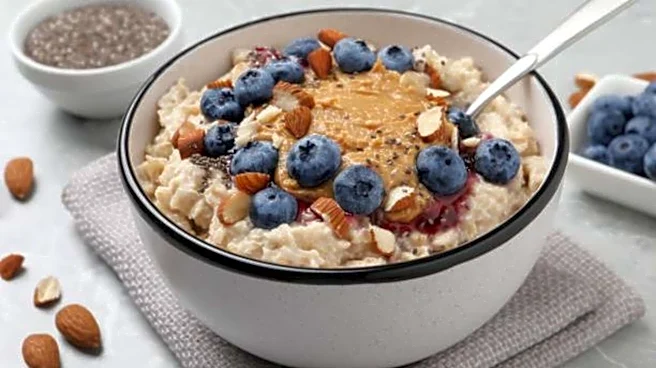
Just two tablespoons of chia seeds contain about 180 mg of calcium. While that’s slightly below milk per serving, their density means they’re often consumed in concentrated forms like puddings or smoothies, easily surpassing a glass of milk. They also deliver fiber and omega-3s, making them beneficial beyond bone health.
Why This Matters More Than You Think
Calcium isn’t just about bones, it plays a role in muscle contraction, nerve signaling, and even heart rhythm. But here’s the nuance many miss: absorption matters as much as intake. Vitamin D, magnesium, and even gut health influence how much calcium your body actually uses. That’s why relying on a variety of foods—not just milk—can often be more effective.In India especially, where lactose intolerance is relatively common and sunlight exposure varies, diversifying calcium sources isn’t just a lifestyle choice, it’s practical nutrition. A glass of milk may be convenient, but it’s not irreplaceable. In fact, once you start paying attention, you’ll notice that some of the most calcium-rich foods have been sitting in traditional diets all along.
/images/ppid_a911dc6a-image-177651322951154620.webp)










/images/ppid_a911dc6a-image-177631162860548708.webp)