/images/ppid_a911dc6a-image-177908362545885421.webp)

/images/ppid_59c68470-image-177899002820918378.webp)

/images/ppid_a911dc6a-image-177906122758384810.webp)
What is the story about?

As
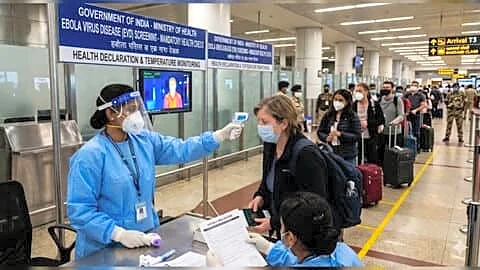
fresh Ebola concerns emerge globally, many people are asking whether the virus could become another COVID-19-style threat. Ebola is one of the world’s deadliest infectious diseases, but experts say it spreads very differently from airborne viruses like coronavirus. Here are answers to the most searched Ebola questions in 2026.Also read: Ebola Alert: At Least 6 Americans Exposed to Deadly Virus in Congo Amid Growing Global Fears
Can Ebola spread through the air like COVID-19?
No. Ebola is not considered an airborne virus like COVID-19. According to global health experts, Ebola spreads through direct contact with infected bodily fluids such as blood, saliva, sweat, vomit, urine, breast milk, or semen. Unlike COVID-19, Ebola does not typically spread through coughing in the air over long distances. This means casual contact, walking past someone, or sharing open spaces is far less risky compared to airborne respiratory viruses. However, healthcare workers and family caregivers remain highly vulnerable because they may come into close contact with infected fluids.What are the first warning signs of Ebola infection?
Early Ebola symptoms can resemble flu, malaria, or dengue, which makes early diagnosis difficult. Initial warning signs usually appear between 2 and 21 days after exposure. Common early symptoms include sudden fever, severe weakness and fatigue, muscle pain, headache, sore throat, and chills. As the disease progresses, patients may also develop vomiting, diarrhoea, skin rash, stomach pain, and internal or external bleeding in severe cases. Doctors warn that rapid dehydration and organ failure can occur if treatment is delayed.How deadly is Ebola compared to other viruses?
Ebola is considered far more lethal than seasonal flu or COVID-19. Depending on the outbreak and healthcare access, Ebola’s fatality rate can range from 25 per cent to nearly 90 per cent. Some past outbreaks in Africa recorded death rates around 50 per cent, making it one of the deadliest viral infections known to humans. COVID-19 spread much faster globally, but Ebola is generally more severe once infection occurs. The good news is that outbreaks are usually contained more quickly because Ebola requires close physical contact for transmission.Can someone survive Ebola without treatment?
Yes, some people can survive Ebola without advanced treatment, but survival chances improve dramatically with early medical care. Doctors say early hospitalization significantly increases survival rates. Delayed treatment raises the risk of shock, multiple organ failure, and death. Treatment mainly focuses on supportive care, including:- IV fluids and hydration
- Oxygen support
- Blood pressure stabilization
- Treating secondary infections
- Electrolyte balance

/images/ppid_a911dc6a-image-177907525576828384.webp)
/images/ppid_59c68470-image-177906763992862930.webp)

/images/ppid_a911dc6a-image-177907522706781201.webp)
/images/ppid_a911dc6a-image-177898563216499083.webp)
/images/ppid_59c68470-image-177900003454038783.webp)


/images/ppid_a911dc6a-image-177883686621376243.webp)
/images/ppid_59c68470-image-177883253172714250.webp)