Motherhood
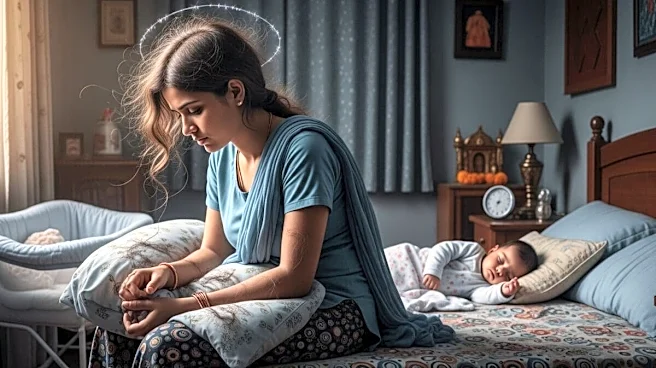
is often described as beautiful, fulfilling and life-changing. But behind the picture-perfect moments is another reality many women quietly live through, sleepless nights, constant stress, exhaustion and a body that slowly begins to show the effects of carrying everyone else first.
What The Study Says
A new study by Traya Health, a science-led Indian hair care brand, has now put numbers to that reality. Conducted among 76,727 Indian mothers, including pregnant women, breastfeeding mothers and women with children under one year old, the study reveals just how deeply stress and poor sleep are affecting mothers across the country.According to the findings, more than 53% of Indian mothers reported disturbed sleep. Many said they wake up multiple times during the night, sleep less than five hours, or struggle to fall asleep altogether. Only 31.57% described their sleep as peaceful. The emotional burden appears equally serious. Nearly 47.35% of mothers described themselves as 'very stressed', saying they feel tense several times a week or almost every day, often to the point where it affects their mood, focus and sleep. Another 34.54% said they experience stress regularly but try to manage it.The study connects these everyday struggles to something many women notice after childbirth, persistent hair fall. While postpartum hair shedding is common due to hormonal changes after delivery, the report suggests the problem often continues far beyond the first few months. Lack of sleep, chronic stress and nutritional depletion can keep the body in a prolonged state of imbalance, affecting hair growth and overall recovery.
Pregnancy temporarily boosts estrogen levels, which can make hair appear thicker and healthier. But after childbirth, hormone levels drop sharply, causing many strands to enter a shedding phase known as postpartum hair fall. According to the study, what turns this temporary condition into a long-term issue is the constant cycle of stress, sleep deprivation and physical exhaustion that follows.The report paints a larger picture of modern Indian motherhood, one where women continue juggling childcare, work, household responsibilities and emotional labour, often without giving their own health much attention.
Why Are Mothers Overstressed?
Saloni Anand, Co-Founder of Traya Health, said the brand hears similar stories from thousands of women every month. “At Traya, we hear from thousands of Indian mothers every month, and the pattern is always the same. Hair fall that began after delivery never quite stopped,” she said. “It is not just about her hair. It is about the sleep she lost, the stress she's been carrying, and the years she has spent looking after everyone except herself.”
The study also highlights how motherhood-related stress does not simply disappear after the newborn stage. Instead, it evolves over time, from sleepless nights with infants to school responsibilities, work pressure and caregiving duties later in life. Experts say sleep, emotional well-being and nutrition play a critical role in recovery after childbirth. Hair follicles, like the rest of the body, require rest, repair and proper nourishment to function well. When stress becomes chronic and rest becomes rare, the body often reflects it physically.At its core, the study is less about beauty and more about women’s health. It is a reminder that behind every mother trying to hold everything together is someone whose own body and mind may quietly be asking for care too.
/images/ppid_a911dc6a-image-177996286183385829.webp)



/images/ppid_59c68470-image-177999003704597205.webp)










/images/ppid_59c68470-image-177988253119231198.webp)