As dengue cases begin rising across India, doctors are warning that the virus is far more dangerous than many people realise. While most families panic during high fever, experts say the real danger often begins after the fever comes down - a critical phase when patients may suddenly develop internal bleeding, breathing difficulty, dangerously low platelet counts, or even life-threatening shock.In this special live chat, eight top doctors and critical care experts answer the most searched and misunderstood questions about dengue - from whether dengue can return a second time, to the warning signs parents often miss in children, which how effective is the vaccine against the vector-borne disease. Doctors explain why low platelet count alone is not
always the biggest concern, why children can deteriorate faster than adults, and how simple household habits like stagnant water storage may fuel outbreaks.
- Dr. NK Ganguly, former Director General, Indian Council of Medical Research
- Dr Suranjit Chatterjee, Senior Consultant- Internal Medicine, Indraprastha Apollo Hospital, Delhi
- Dr. Vineeta Singh Tandon, Senior Consultant – Internal Medicine, ISIC Multi-speciality Hospital
- Dr. Anirban Chattopadhyay, Senior Consultant, Department: Critical Care Medicine, CK Birla Hospitals, CMRI
- Dr. Diksha Goyal, Consultant, Internal Medicine, Marengo Asia Hospitals, Gurugram
- Dr. Sanjay Mahajan, Sr. Consultant Physician and Intensivist, Kailash Hospital, Noida
- Dr. Meenakshi Jain, Principal Director and HOD, Internal Medicine, Max Super Speciality Hospital, Patparganj
- Dr. Sushil Kalra, Director - Internal Medicine, CK Birla Hospitals, Jaipur
What is the status of the indigenous dengue Vaccine?
“The vaccine, which was known as DengVac, was made by Sanofi. The results were not very good; it had to be used for those above 9 years. The second Dengue vaccine, which is now coming into the market, is the vaccine which has been made by Takeda. That can be used at all ages for all the Dengue viruses. However, surveillance reports are needed for good action against the Dengue 3 virus infection,” said Dr. Ganguly.
Which vaccine is likely to be rolled out?
“The Takeda vaccine, which has been globally tested, is likely to be efficacious against all dengue strains. One of the major problems with many Dengue vaccines was that they were not efficacious against all the strains, and sometimes there was an adverse reaction against some of the strains,” informed Dr. Ganguly.
How long will protection from vaccines last?
“At this given moment, all the data, which is there, it can last for two years, but it can last up to five years,” he added.
Can dengue become life-threatening even after the fever goes away?
“Yes. Many people assume recovery begins once the fever subsides, but in dengue, the period immediately after fever reduction is actually more critical. Around this phase, some patients may enter what is known as the "critical phase," where complications such as plasma leakage, bleeding, breathing difficulty, or a sudden drop in platelet counts and blood pressure can occur,” said Dr. Chatterjee. “That’s why doctors advise close monitoring for at least 48 hours after fever falls, checking for warning signs (abdominal pain, vomiting, bleeding, rapid pulse, cold extremities, low urine output). Timely medical attention during this window dramatically lowers the risk of severe outcomes,” added Dr. Mahajan.
Which medicines should be avoided during dengue treatment and why?
According to Dr. Chatterjee, “People with suspected or confirmed dengue should avoid self-medicating, particularly with medicines such as aspirin, ibuprofen, diclofenac, and some other painkillers unless advised by a doctor. These medicines can increase bleeding risk, which is a concern in dengue. It is also important to avoid unnecessary antibiotics or supplements without medical advice, as treatment decisions should be guided by symptoms and clinical evaluation,” he said. Dr. Chattopadhyay added, Generally, paracetamol is safer for fever and body pain, but even then it should be taken in prescribed dosage with adequate fluids and doctor's guidance.”
How can I protect my family from dengue mosquitoes during outbreak season?
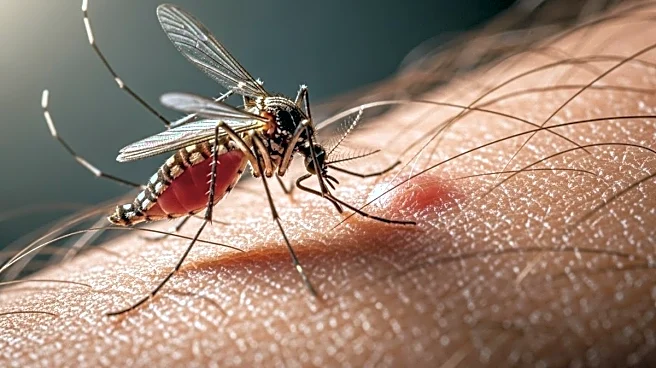
“Dengue mosquitoes lay eggs in clean standing water and typically feed during the day. Avoid collecting water in coolers, buckets, flower pots, and open containers to keep your family safe. Replace stored water frequently and cover tanks. Apply mosquito repellents, wear long-sleeved clothing, screen windows and mosquito nets, particularly for the elderly and children. The other aspect of community cleanliness is also crucial as dengue is spreading rapidly during the monsoon and outbreak season,” said Dr. Vineeta.
Can you get dengue more than once, and is the second infection more dangerous?
Yes, a person can have dengue more than once, as there are 4 different kinds of dengue virus. Protection against infection by one type does not extend to the other types. The second infection, in some cases, can be more severe and may have a higher risk of complications such as dengue haemorrhagic fever or shock syndrome,” said Dr. Kalra.
Why is there a drop in platelet count, and when should one worry?
“In dengue, low platelets are caused by the virus directly suppressing bone marrow production, combined with an immune response that mistakenly attacks and destroys circulating platelets. Admission criteria are rarely based on platelet numbers alone. Hospitalization is generally required if warning signs emerge, regardless of your platelet count,” said Dr. Goyal.
What are the physiological disadvantages children have with dengue?
“The defining feature of Dengue is plasma leakage. Since kids have a smaller blood volume than adults, even a moderate amount of fluid loss can drop a kid's blood pressure faster than an adult’s, leading to shock. Also, their immune system can produce too many cytokines and cause a lot of inflammation and capillary leakage. This results in Dengue Shock Syndrome and Dengue Hemorrhagic Fever being more likely in kids than adults. Also, children younger than four years do not have the ability to describe dizziness, abdominal pain, or fatigue. As a result, serious complications are often diagnosed late,” said Dr. Jain.
/images/ppid_a911dc6a-image-177941122513244815.webp)








/images/imfZ6nBC-image-17793517809577715.webp)

/images/ppid_a911dc6a-image-17791592287636658.webp)
/images/ppid_a911dc6a-image-177915409133845800.webp)