Loosing adult fat is a maze. And the collateral damage from your work life makes the path ahead feel hazier, courtesy of the hormonal havoc it wreaks within your system. If you still somehow manage to get the scale to move - and kudos for that! - chances are that the signs and symptoms of malnutrition are chasing to catch up. How your clothes and jewellery fit may be making you feel 'skinnier' but if they come with a side of sunken cheeks and eyes, dry and thinning skin, extreme fatigue, reduced muscle mass and constant coldness, it's likely that the malnutrition has caught up.While eating less, whittling calories, and working out till exhaustion do eventually work - treating your body like a machine will ensure your internal plumbing goes for a toss
eventually. We asked Rashi Chahal, Nutritionist at La Femme Hospital, New Delhi, to share a clean eating plan to help people meet their fat loss goals - while keeping malnutrition at bay - working on a budget of ₹1,000 a week.
Weekly Grocery List
1. EggsEggs are considered the biological gold standard for protein quality due to their perfect amino acid profile, high digestibility, and ability to serve as a benchmark for measuring other protein sources. This should cost anywhere between ₹80 to ₹100 a week.
2. Banyard Millets and other whole grains, nuts and seedsAdding fibre to protein will give better satiety. The per-meal raw grain requirement is about 50 grams to 60 grams in a week, making total consumption between 450 grams to 500 grams. This essentially means that your fibre cost per-meal comes down to ₹80 to ₹120 per week for one meal.
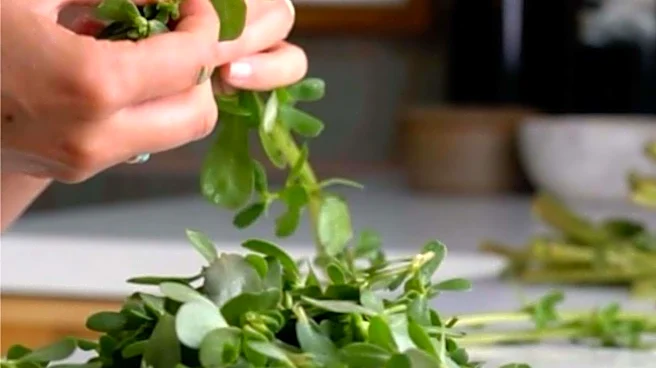
3. Betroots, Methi, Spinach, other seasonal vegetables and basic roots and tubersFibre must always be consumed with micronutrients. Beetroots are ₹20 for about 500 grams, where as methi and spinach are about ₹50 for a big stock. Add the roots and tubers and you come up to about a cost of ₹180 to ₹250 per week.
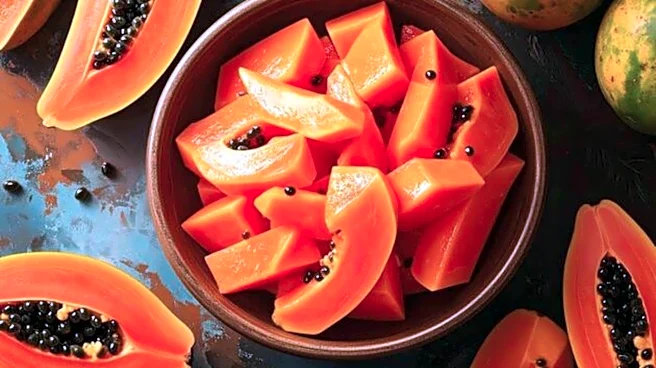
4. Seasonal Fruits - Musk Melon or WatermelonMusk Melon should typically come for about ₹30 per 500 grams whereas watermelon will come for ₹70 per 2.5 kilograms. You per day requirement is of about 150 grams to 200 grams.
5. LentilsLentils provide better satiety and allow muscle repair. This should cost about ₹120 to ₹150 per week.
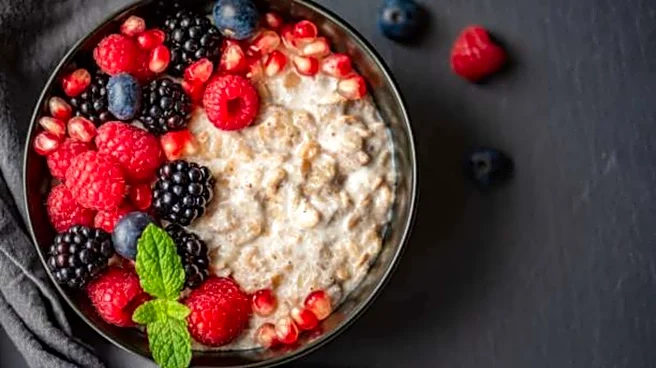
6. High-Fibre Carbs like Oats and Dalia500 grams of oats or dalia should come for around ₹60. High-fibre balances with protein and slows the release of glucose in the body.
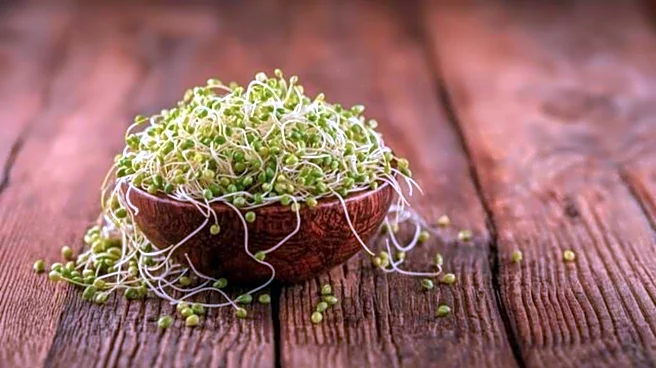
7. Mustard Oil for FatsIngesting healthy fats, even during fat loss endeavours, is essential to maintain a healthy balance. A bottle of mustard oil comes in at about ₹100.The trick in keeping full while meeting all nutritional requirements is to come up with recipes that combine most of these food groups to create wholesome meals. Dr. Chahal suggests samak upma, moong daal cheela or a sprouts cheela, a fruit and samak salad, samak cheela and moong dal tikki as a few options for taste and satiety. Dr. Chahal also makes it a point to highlight certain Indian diet and snacking staples that appear healthy - and they may be in moderation - but aren't at all fat loss-friendly, and so must be included with extreme intention in the day's food intake plan. Chirwa namkeen is a big no-no in this regard even if the packet carries the word 'diet'. The same goes for sabudana preparations across the board. Mangoes and fruit shakes are high in calories as is paneer in huge amount. The same goes for fruit juices, excessive ghee on rotis (a hint is just fine for lubrication) as well as digestive biscuits and any other misleading labels.
Preparation Cues
First things first, keep a tight grip on your sanity says Dr. Chahal. Only then will you be able to follow through on your plan. Next, never cut proteins and greens - they are an absolute must with every meal. Additionally, always keep your meals balanced, which is incidentally a facet most people overlook in their attempts to 'eat less'. Dr. Chahal explains: "Instead of increasing the carbs, balance it with an adequate amount of protein such as millets, eggs or dals, elevated with a hint of fats. Dairy can be included in the form of either a glass of milk, some curd or a small portion of paneer." She also suggests a few cooking hacks which can effectively nudge your system along to meet its goals. For instance, haldi when paired with black pepper, fights inflammation and methidana (soaked in water) helps regulate blood sugar and increases the blood flow in the body. Finally, methods like sauteing, baking or even air frying helps preserve the nutrient value of foods.
Progress Check
You'll feel the change inside before you see it outside - and honestly, that's going to be all the impetus you'll need to keep going, especially if you've felt endlessly stuck with your fat loss endeavours previously. Feeling light with more energy and less sugar crashes, enjoying a better sleep cycle, comfortably passing stools everyday and eventually clothes fitting better are a few signs to look out for as per Dr. Chahal which will indicate that the fat loss plan is working well. On the flip side, if you happen to often feel hangry and experience sudden crashes in the day whilst always being fatigued or sleepy - it's time to halt and switch directions, this time with proper medical supervision.
Disclaimer: This article is for informational purposes only and is not intended as medical advice. Readers should consult a qualified healthcare professional or nutritionist before making any significant changes to their diet, especially if they have existing health conditions. Times Now does not assume responsibility for any outcomes arising from the use of this information.
/images/ppid_a911dc6a-image-177659726575339271.webp)



/images/ppid_a911dc6a-image-177651322951154620.webp)

/images/ppid_a911dc6a-image-177650205633320650.webp)