/images/ppid_a911dc6a-image-177803643455149003.webp)

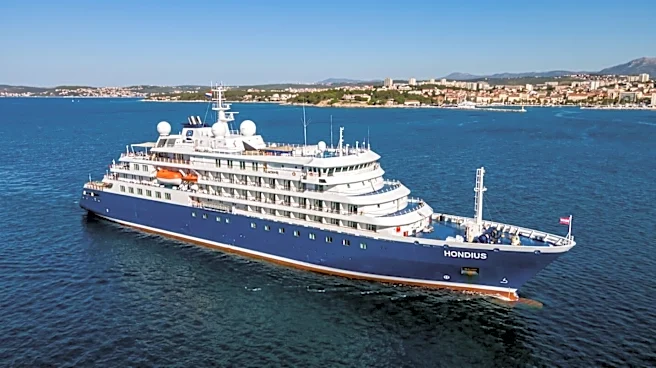

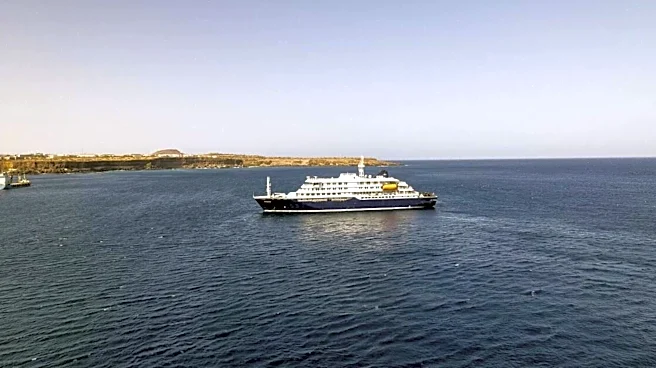
An atmosphere of fear and uncertainty has gripped passengers aboard an Atlantic cruise ship as authorities investigate a suspected outbreak of the deadly Hantavirus that has already claimed three lives. According to news reports, more people are getting sick, and limited information is causing anxiety among travelers and crew while the vessel remains at sea off Cape Verde awaiting further guidance. Footage shown by the Associated Press circulating online shows eerily deserted decks, closed recreational spaces, and medical teams in full protective gear attending to passengers. The once-luxurious cruise environment has quickly transformed into a controlled health zone, highlighting the seriousness of the situation. There are more than 150 people from
23 countries on board the luxury cruise liner MV Hondius in the Atlantic Ocean - a dream voyage that has taken a deadly turn.Also read: Donald Trump’s ‘Squirrel’ Remark Goes Viral - What It Reveals About Brain Health
WHO investigating
Health authorities are now racing to test samples from passengers, and the World Health Organisation (WHO) has said the infection has possibly spread among those on board. The Spanish government has now said the ship can sail to the Canary Islands, where those on board will be treated and repatriated after Cape Verdean officials declined to grant clearance earlier this week, leaving the vessel anchored nearby.Rising panic and psychological impact
Beyond the physical health risks, the psychological toll of being stranded at sea during a health scare is significant. Uncertainty, lack of clear communication, and fear of infection can lead to heightened stress and panic among passengers. "There's a lot of uncertainty, and that is the hardest part. All we want right now is to feel safe, to have clarity, and to get home," a passenger told his followers on TikTok. Experts emphasize that mental well-being is a critical aspect of managing such crises. Staying informed through official updates, avoiding misinformation, and maintaining communication with family members can help reduce anxiety levels.What is hantavirus?
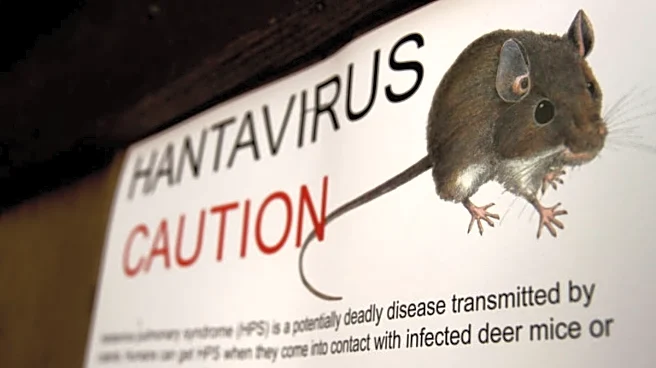
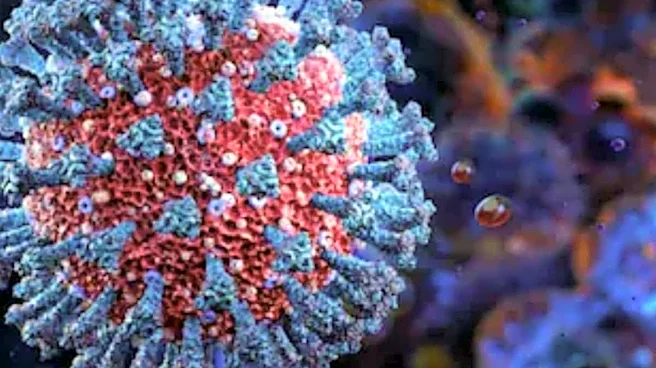
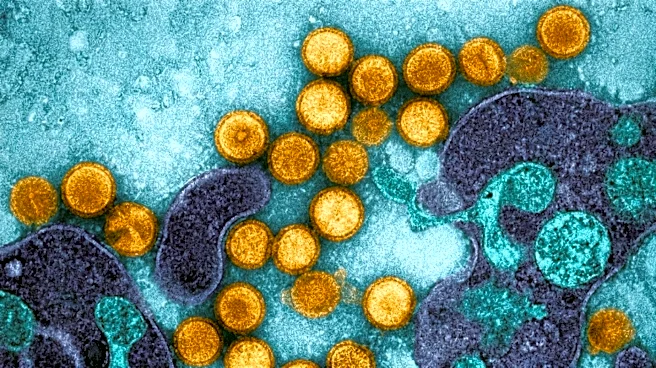
Hantavirus is a rare but potentially deadly virus primarily transmitted through contact with infected rodent droppings, urine, or saliva. In some cases, inhaling contaminated particles in enclosed spaces can lead to infection. While human-to-human transmission is extremely rare, the virus can cause severe respiratory illness known as Hantavirus Pulmonary Syndrome (HPS). According to doctors, early symptoms often resemble the flu and may include:- Fever and chills
- Muscle aches
- Fatigue
- Headaches
Why cruise ships are a high-risk environment
Cruise ships can amplify health concerns due to their enclosed settings and shared facilities. Although hantavirus outbreaks are uncommon in such environments, confined spaces can increase anxiety and complicate containment efforts during any infectious disease investigation. Health authorities are likely focusing on identifying the source of exposure, isolating suspected cases, and ensuring sanitation protocols are strictly followed. Passengers may be advised to remain in their cabins, limit contact with others, and follow hygiene guidelines.What happens next?
Health officials are expected to conduct thorough testing and risk assessments before allowing passengers to disembark. International health agencies may also step in to support containment and investigation efforts, especially given the rarity of hantavirus outbreaks.- Preventive measures typically include:
- Avoiding contact with potential rodent-contaminated areas
- Maintaining strict hygiene practices
- Using protective equipment when necessary




/images/ppid_59c68470-image-177798757692680191.webp)


/images/ppid_a911dc6a-image-177796926164088979.webp)
/images/ppid_a911dc6a-image-177799166720211539.webp)
/images/ppid_a911dc6a-image-177796642577836224.webp)