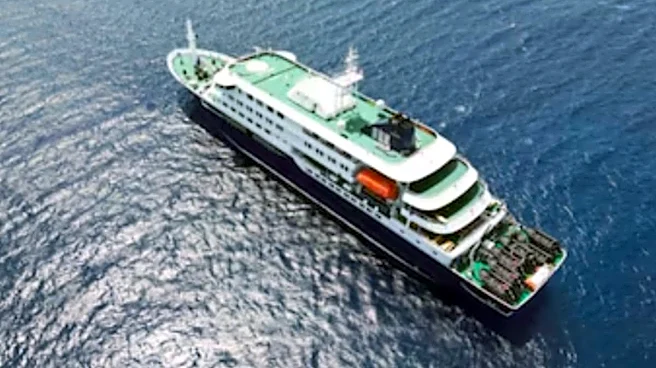
British passengers returning from the virus-hit cruise ship MV Hondius could be asked to self-isolate for up to 45 days after exposure to Hantavirus, according to UK health officials. The move comes as international authorities continue monitoring a growing outbreak linked to the expedition vessel, which has already resulted in multiple deaths and confirmed infections across several countries. The outbreak has triggered a major international public health response involving the UK, Spain, South Africa, the Netherlands, Switzerland, Singapore, and the United States. Experts say the incubation period of the virus can last up to six weeks, increasing concerns over delayed symptoms among passengers who have already left the ship.Also read: Two Indians
Aboard Hantavirus-Hit Cruise Ship - What Is Their Status? Professor Robin May from the UK Health Security Agency (UKHSA) said British passengers may need to isolate at home after returning from the cruise. Two Britons are already voluntarily self-isolating in the UK after possible exposure during the voyage. The cruise ship, operated by Oceanwide Expeditions, is expected to dock in the Canary Islands, where Spanish authorities are coordinating repatriation efforts for affected passengers. Officials confirmed that 19 British passengers and four British crew members remain linked to the incident. Some passengers had already disembarked earlier during a stop at St Helena in the South Atlantic before the outbreak was officially detected.
Multiple countries are monitoring passengers
Five confirmed cases linked to the cruise ship have already been reported by the WHO, with more cases potentially expected due to the long incubation period. Authorities across Europe, Asia, Africa, and North America are now tracing passengers who may have been exposed.Singapore has isolated two residents connected to the cruise, while Switzerland confirmed one passenger tested positive after returning to Zurich. Two American states - Georgia and Arizona - are also monitoring former passengers. A 69-year-old British man remains in intensive care in South Africa but is reportedly improving. Another British passenger, 56-year-old Martin Anstee, is stable in a hospital in the Netherlands after being medically evacuated from the ship.
What is hantavirus?
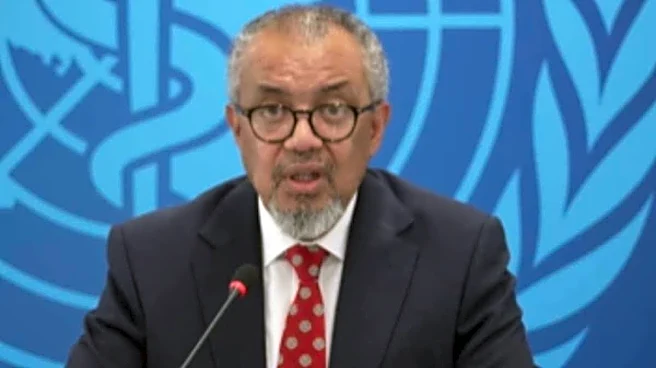
Hantavirus is a rare but potentially serious viral infection typically spread through exposure to infected rodents, particularly rat droppings, urine, or saliva. Symptoms may initially resemble flu-like illness, including fever, muscle pain, fatigue, headaches, and breathing difficulties. Health experts believe the Andes strain involved in this outbreak may have spread through close human contact in rare cases. The strain has previously shown limited human-to-human transmission during outbreaks in South America. The World Health Organization has described the situation as a “serious incident” but stressed it is not comparable to the COVID-19 pandemic and that the overall public risk remains low.
Cruise ship outbreak sparks global concern
Three people connected to the cruise have died, though investigations are still ongoing into whether all deaths were directly caused by hantavirus infection. Health officials are continuing large-scale contact tracing operations and medical assessments for all passengers on board. Despite growing concern, authorities say there are currently no symptomatic individuals remaining aboard the MV Hondius. Experts continue urging calm while advising exposed passengers to monitor symptoms closely and follow isolation guidance.
/images/ppid_a911dc6a-image-177821003249367978.webp)

/images/ppid_a911dc6a-image-177815406543422853.webp)




/images/ppid_59c68470-image-177820512189361916.webp)



/images/ppid_59c68470-image-177815506000998685.webp)

/images/ppid_a911dc6a-image-177812322923178262.webp)
/images/ppid_59c68470-image-177806756255519502.webp)
/images/ppid_59c68470-image-177798757692680191.webp)