/images/ppid_a911dc6a-image-177829962861126661.webp)


/images/ppid_a911dc6a-image-177821003249367978.webp)
What is the story about?

Recent
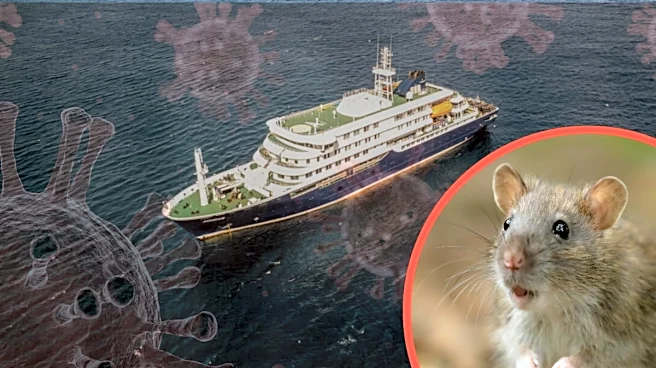
illness outbreaks linked to international cruise ships have triggered global concern over infectious diseases spreading during travel. While most frequent travellers are familiar with Norovirus outbreaks on cruise ships, the recent cases involving Hantavirus have raised fresh questions about how the two viruses differ and why health authorities are taking the situation seriously. According to experts, understanding the distinction between norovirus and hantavirus is crucial because the infections spread differently, affect the body differently, and carry very different health risks.Also read: Norovirus Outbreak On Cruise Ship Infects 115: Symptoms, Causes, How It Spreads, And All You Need To Know
What is Norovirus?
Norovirus is one of the world’s most common causes of stomach infections and foodborne illness. It spreads extremely easily through contaminated food, water, surfaces, or close contact with infected people. Cruise ships are especially vulnerable because passengers share dining spaces, bathrooms, railings, and enclosed environments where viruses can spread rapidly. More than 100 people have been sickened in a norovirus outbreak on a cruise ship operated by Princess Cruises. Those sickened, who include 102 passengers and 13 crew members, have been isolated from uninfected travellers, the US Centers for Disease Control and Prevention said. Common noroviruses include:- Sudden vomiting
- Diarrhoea
- Nausea
- Stomach cramps
- Mild fever
- Body aches
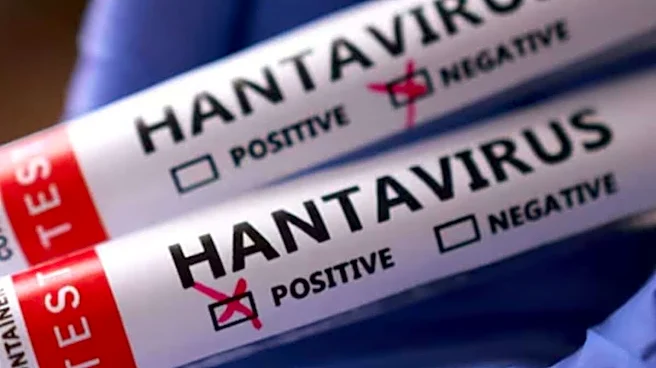
What is hantavirus?
Hantavirus is far rarer but potentially far more serious. The virus is primarily spread through exposure to infected rodents, including rat urine, saliva, or droppings. Health officials investigating the recent cruise ship outbreak believe the Andes strain of hantavirus may be involved. Unlike most hantaviruses, the Andes strain has shown limited human-to-human transmission in rare cases. A few common symptoms of hantavirus are:- Fever
- Severe muscle pain
- Fatigue
- Headache
- Breathing difficulty
- Dry cough
- Low blood pressure
Key differences between norovirus and hantavirus
Severity
Norovirus usually causes temporary gastrointestinal illness, while hantavirus can lead to severe respiratory complications and organ failure.Transmission
Norovirus spreads mainly through contaminated food, water, and surfaces. Hantavirus primarily spreads through infected rodents, though rare person-to-person spread has been reported with specific strains.Period of incubation
Norovirus symptoms appear quickly, often within one or two days. Hantavirus symptoms may take several weeks to develop, making outbreaks harder to track.Fatality risk
Most people recover fully from norovirus within days. Hantavirus infections, however, can carry significantly higher mortality rates depending on the strain and speed of treatment.Why are cruise ships prone to viral outbreaks?
Cruise ships create ideal conditions for infectious disease spread due to close passenger interaction, shared facilities, and international travel routes. Public health agencies worldwide are closely monitoring passengers connected to recent outbreaks. The World Health Organization and multiple national health agencies have emphasized that the current hantavirus situation is not comparable to the COVID-19 pandemic. However, authorities continue surveillance because of the virus’s long incubation period and the seriousness of some reported cases.How travellers can protect themselves?
Doctors recommend several preventive steps for travellers:- Wash your hands frequently
- Avoid touching your face unnecessarily
- Practice food hygiene
- Report unusual symptoms early
- Avoid contact with rodents or contaminated areas
- Seek medical attention for persistent fever, breathing issues, or severe illness after travel



/images/ppid_a911dc6a-image-177834442484455414.webp)

/images/ppid_a911dc6a-image-177839763343139352.webp)
/images/ppid_a911dc6a-image-177829972332195350.webp)
/images/ppid_a911dc6a-image-17782380643965935.webp)