/images/ppid_a911dc6a-image-177788524023572173.webp)


/images/ppid_a911dc6a-image-177762763660874573.webp)

What is the story about?

Not
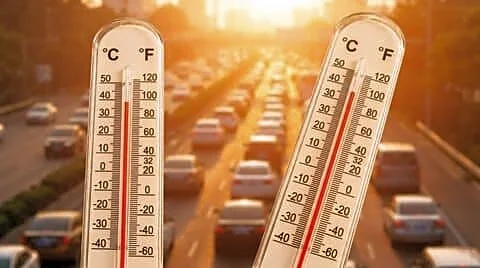
just the election results, but the weather is also keeping Tamil Nadu hot. The state has entered its most intense summer phase, known as Agni Natchathiram or Kathiri Veyil, a period marked by soaring temperatures and harsh sunlight. As the heat peaks between May 4 and May 28, health experts are warning residents to take extra precautions to avoid serious heat-related illnesses.Also read: Gujarat Man’s Weight-Loss Pills Without Advice End in Cancer Diagnosis
Why is Agni Natchathiram risky for health?
According to doctors, during this period, temperatures often cross dangerous levels, increasing the risk of heatstroke, dehydration, and heat exhaustion. Prolonged exposure to high heat can overwhelm the body’s cooling system, especially when humidity is high. Vulnerable groups include elderly individuals, children, outdoor workers, and those with chronic illnesses like diabetes or heart disease. Even healthy individuals can experience fatigue, dizziness, or fainting if precautions are not taken.Common heat-related illnesses
Heat exhaustion
Early signs include heavy sweating, weakness, headache, nausea, and muscle cramps. If ignored, it can progress to heatstroke. Heatstroke includes a medical emergency. Symptoms include high body temperature (above 40°C), confusion, dry skin, and loss of consciousness. Immediate medical attention is critical. According to doctors, heatstroke causes nervous system dysfunction in the long run.Dehydration
Excessive sweating leads to fluid and electrolyte loss, causing dizziness, dry mouth, and reduced urine output.How to stay safe during extreme heat
A few ways you can stay healthy and safe, according to doctors, include:Stay hydrated
Drink plenty of water with electrolytes throughout the day, even if you are not thirsty. Traditional drinks like buttermilk, coconut water, and lemon water help maintain electrolyte balance.Avoid peak sun hours
Try to stay indoors between 11 AM and 4 PM, when the sun is strongest.Wear light coloured clothes
Choose loose, light-colored cotton clothes to allow better airflow and reduce heat absorption.Eat smart and light
Opt for light meals rich in fruits and vegetables such as watermelon, cucumber, and oranges. Avoid heavy, oily, or spicy foods that can increase body heat.Protect your skin and head
Use umbrellas, hats, or scarves when stepping out. Sunscreen with more than SPF 40 can also help prevent skin damage.Indoor cooling tips
- Keep windows shaded during the day
- Use fans or air coolers effectively
- Take cool showers to lower body temperature
- Avoid excessive use of heat-generating appliances




/images/ppid_a911dc6a-image-1777882425570906.webp)



/images/ppid_a911dc6a-image-177764723431492580.webp)