/images/ppid_a911dc6a-image-177649642835447140.webp)


/images/ppid_a911dc6a-image-177642922600239549.webp)

What is the story about?

Bengaluru
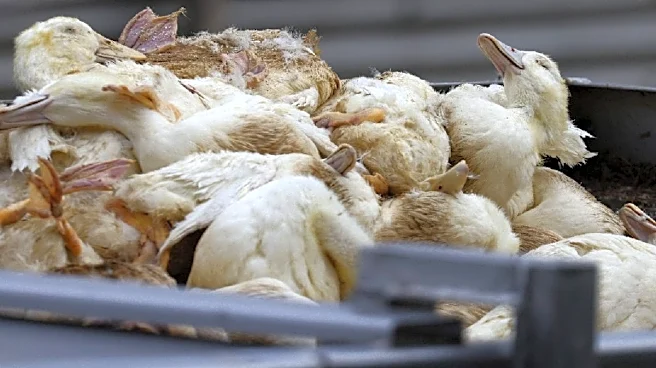
has reported a confirmed outbreak of the H5N1 avian influenza virus, commonly known as bird flu, triggering heightened surveillance and precautionary measures across parts of Karnataka. The outbreak was detected at a poultry training centre in Hesaraghatta, where thousands of chickens, eggs, and feed were culled to contain the spread. Authorities have also marked a 3-km infected zone and a 10-km surveillance zone, while local health teams are conducting door-to-door fever screenings. Importantly, no human cases have been reported so far, and officials stress that there is no need to panic, only caution.
H5N1 Symptoms Fever Cough Breathing Issues
H5N1 is a subtype of the influenza A virus that primarily affects birds but can occasionally infect humans. It spreads among birds through saliva, nasal secretions, and droppings, and humans typically contract it through direct contact with infected birds or contaminated surfaces. Human-to-human transmission remains extremely rare. While the current risk to the general public is low, outbreaks like this raise concern because the virus has the potential to mutate and adapt to humans over time. In humans, bird flu symptoms can range from mild to severe and often resemble seasonal flu initially. Common symptoms include:- High fever (above 38°C)
- Cough and sore throat
- Muscle aches and fatigue
- Shortness of breath or breathing difficulty
- Nausea, vomiting, or diarrhoea
- Eye infections like conjunctivitis
How Dangerous Is It?
Although rare in humans, H5N1 is considered a serious virus because of its high fatality rate among reported human cases globally. However, it’s crucial to note that most infections occur only in people with close exposure to infected poultry, such as farm workers. In India, multiple bird flu outbreaks have been recorded in recent years, but confirmed human infections remain extremely limited.Prevention: What You Should Do
Health authorities are emphasising simple but effective precautions:- Avoid contact with sick or dead birds
- Stay away from poultry farms or live bird markets during outbreaks
- Wash hands thoroughly after handling raw poultry
- Cook chicken and eggs properly (heat kills the virus)
- Avoid consuming raw or undercooked poultry products
- Wear masks and gloves if you must handle birds in high-risk areas