/images/ppid_a911dc6a-image-177642922600239549.webp)





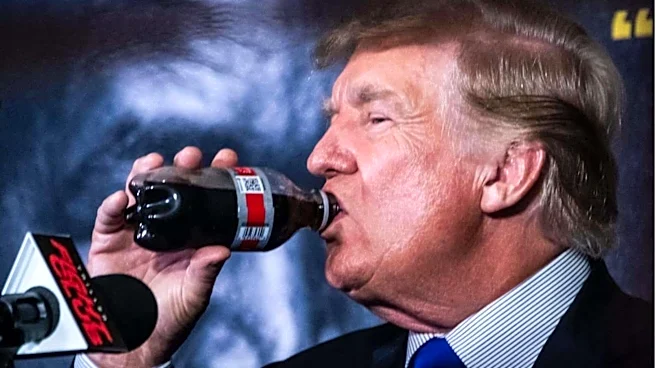
A recent statement linked to US President Donald Trump has sparked global debate and concern in the health community. During an episode of the Triggered podcast hosted by his son, Donald Trump Jr., Dr. Mehmet Oz revealed that Trump believes diet soda may “kill cancer cells,” drawing a comparison to its effect on grass when poured over it. While the remark was later brushed off as a joke by the White House, the claim has raised serious questions about misinformation and its potential impact on public health - especially when it comes to life-threatening diseases like cancer. “Your dad argues that diet soda is good for him because it kills grass – if poured on grass – so, therefore, it must kill cancer cells inside the body,” Oz said.Also read:
Why Bone Marrow Donors Are Scarce in India? Misconceptions Block Lifesaving Matches for Cancer Patients
What does science say about diet soda and cancer?
There is no scientific or clinical evidence to support the claim that diet soda can kill cancer cells. Diet sodas typically contain artificial sweeteners such as aspartame and sucralose instead of sugar. Aspartame, which is about 200 times sweeter than sugar, was classified in 2023 as a “possible carcinogen” by the World Health Organization’s cancer research arm. However, this classification is based on limited evidence, and it does not mean that aspartame directly causes cancer under normal consumption levels. According to global health authorities, including WHO and the Joint Expert Committee on Food Additives (JECFA), the acceptable daily intake of aspartame is 40 mg per kilogram of body weight. For context, an average adult would need to consume around 8 to 12 cans of diet soda daily to exceed this limit, far beyond typical consumption. Sucralose, another common sweetener used in diet drinks, has been approved as safe by regulatory bodies like the US Food and Drug Administration (FDA).Are there any health risks?
While diet sodas are generally considered safe within recommended limits, some studies suggest potential concerns. A 2017 review published in the Canadian Medical Association Journal found a possible link between artificial sweeteners and increased body mass index, or BMI, and cardiometabolic risks. However, researchers emphasized that more long-term studies are needed to establish clear conclusions. Importantly, none of these studies indicate that diet soda has any cancer-fighting properties.Why can such claims be dangerous?
Health experts warn that statements like these - whether intended as humour or not- can be misleading. According to oncologists, misinformation can create false hope or lead patients to delay proven treatments such as chemotherapy, radiation, or surgery. This can be especially dangerous in cancers where early intervention significantly improves survival rates. Doctors stress that cancer treatment is complex and evidence-based. Relying on unverified claims or “natural cures” can result in missed treatment windows and poorer outcomes.Ways to verify health claims
Medical experts recommend evaluating health information using a hierarchy of evidence, which ranges from basic lab studies to large-scale clinical trials and meta-analyses. Most viral claims, including this one, often stem from weaker forms of evidence, or none at all. Before believing or acting on any health claim, it’s crucial to:- Check credible medical sources
- Look for peer-reviewed research
- Consult a qualified healthcare professional

/images/ppid_a911dc6a-image-177657236896341999.webp)



/images/ppid_a911dc6a-image-177652162611541869.webp)


/images/ppid_a911dc6a-image-177639282804891253.webp)