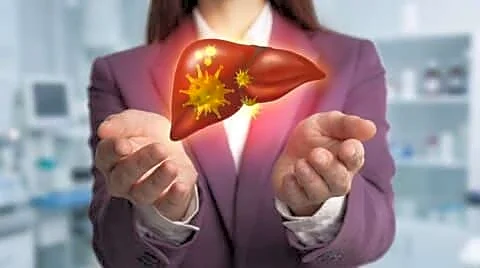
When people consider cancer risk, the first things that come to mind are usually things like genes smoking diet, or pollution. But infections can also contribute. Cancer-causing viruses, also called oncogenic viruses, can raise cancer risk through several ways: by causing persistent inflammation, compromising the immune system, or directly altering the behaviour of cells in terms of growth and division.It does not imply however that every individual infected with one of these viruses will get cancer. Actually, many infections will disappear on their own or be kept in check. Usually, it is the risk that goes up with an infection that is long-lasting, a person's immunity is lower, or there is a lack of screening and treatment. Learning about these viruses is important
because some of the cancers associated with them can be averted through vaccination, safer behaviours, screening, or prompt treatment.
1. Human Papillomavirus (HPV)
Human papillomavirus (HPV) is a very common virus that is associated with cancer. Certain types of high-risk HPV are responsible for nearly all the cases of cervical cancer worldwide and in addition, these types of HPV have also been found to be associated with cancers of the anus throat penis, vagina, and vulva. Most of the times, HPV infections disappear on their own but a persistent infection with high-risk types can gradually lead to abnormal cell changes. Therefore, HPV vaccination and regular cervical screening are extremely important. What really matters is that HPV-related cancers usually take a long time to develop, so prevention and early diagnosis can be greatly beneficial.
2. Hepatitis B Virus (HBV)
Hepatitis B virus primarily targets the liver and for some individuals, it can turn into a chronic infection. A chronic HBV infection can cause gradual damage to liver cells, resulting in liver scarring which is medically known as cirrhosis and it also makes one susceptible to liver cancer or hepatocellular carcinoma. HBV is transmissible through exposure to infected blood, sexual intercourse, and mother-to-child transmission at birth. One really important fact is that hepatitis B is a vaccine-preventable disease and vaccination therefore stands out as one of the most potent methods for preventing liver cancer in the future. Those who have chronic HBV infection should also be under medical surveillance to ensure their liver health.
3. Hepatitis C Virus (HCV)
Hepatitis C is a virus that usually targets the liver. Chronic hepatitis C, like hepatitis B, may lead to persistent inflammation and liver damage, thereby raising the chances of cirrhosis and liver cancer. Plus, it has been associated with non-Hodgkin lymphoma in some instances. The main mode of transmission of HCV is through infected blood. Unlike hepatitis B, hepatitis C does not have a vaccine, but the up-to-date antiviral medication is able to cure the infection in most cases and reduce the risk of serious liver problems. This is why testing is very important because many people who have hepatitis C do not realise the infection until there is already liver damage.
4. Epstein-Barr Virus (EBV)
Epstein-Barr virus (EBV) is a type of herpesvirus that is most recognised as the cause of infectious mononucleosis or "mono". It is extremely common, and the majority of people who have an EBV infection never develop cancer. On the other hand, in a few cases, EBV is one of the factors causing cancers like Burkitt lymphoma, Hodgkin lymphoma, some stomach cancers, and nasopharyngeal cancer. Typically, the risk of cancer comes from the way in which the virus affects immune function and cell growth over time. EBV is an example of how a common virus can be totally harmless for most people yet still be involved in cancer production under certain conditions.
5. Human Herpesvirus 8 (HHV-8)
Human herpesvirus 8 (HHV-8) or Kaposi sarcoma-associated herpesvirus is the cause of Kaposi sarcoma, a cancer that causes the formation of abnormal tissues in the skin, mouth, or internal organs. People with weakened immune systems, for example, those with HIV not on treatment or people who are on very strong immunosuppressive medication, are particularly susceptible to this type of cancer. Although not all individuals harbouring HHV-8 develop cancer, a weakened immune defence can allow the virus to trigger abnormal growth of cells. Hence, maintaining immune health and adequately treating underlying conditions play a significant role in lowering risk.
6. Human T-cell Lymphotropic Virus Type 1 (HTLV-1)
Human T-cell lymphotropic virus type 1 (HTLV-1) has been associated with a very rare and aggressive virus called adult T-cell leukaemia/lymphoma. HTLV-1 infects T cells, a type of white blood cell, and in a small number of cases, it can cause cancer after many years of infection. Although not a frequent topic of conversation like HPV or hepatitis viruses, HTLV-1 is nonetheless a recognised virus that is linked to cancer. It is transmitted via blood, sexual contact, breastfeeding, and from mother to child. As the development of cancer might be a long time after acquiring the infection, knowing about the virus and receiving adequate medical care is essential.
Final Thoughts
A virus alone will not be the cause of cancer, and even when a person has been infected with one of these viruses, it does not necessarily lead to cancer. However, these six viruses are significant because they have the potential to raise the risk of cancer if infections are allowed to persist, immunity is weakened, or the infections remain untreated. The good news is that most risks can be significantly lowered through vaccination screening safer health practices and prompt treatment. Major cancer-causing infections can be prevented through HPV and hepatitis B vaccines.Hepatitis C is also curable most of the time through a treatment. In the same way, screening can pick up initial changes that may be harmful later on. So, learning about cancer-related viruses should not be to instil fear, rather it should be about prevention, awareness, and being proactive about one's health before the situation worsens.
/images/ppid_a911dc6a-image-177772563958694694.webp)

/images/ppid_a911dc6a-image-17775184263969857.webp)
/images/ppid_a911dc6a-image-177753243194712439.webp)
/images/ppid_a911dc6a-image-177744843189198939.webp)


/images/ppid_a911dc6a-image-17775548301571461.webp)
/images/ppid_a911dc6a-image-177762763660874573.webp)


/images/ppid_a911dc6a-image-177770882702316134.webp)