/images/ppid_a911dc6a-image-177546322727866624.webp)

/images/ppid_a911dc6a-image-177527283178850850.webp)


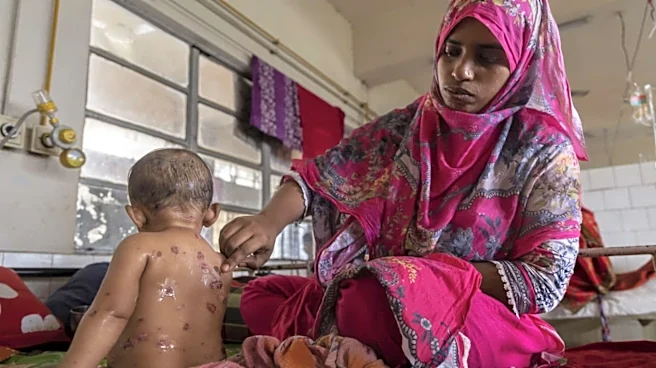
A new COVID-19 strain, popularly referred to as the Cicada variant or the BA.3.2, is raising fresh concerns among health experts worldwide. Early observations suggest that this new COVID variant may be significantly more infectious in children, with some reports indicating they could be up to five times more vulnerable compared to previous strains. While the World Health Organization and the Ministry of Health and Family Welfare, along with ICMR, have stated that there is no immediate threat to public life, experts believe the variant could pose a risk to children, as it is known to escape the developed antibodies from the vaccine previously administered. And so, you must get a booster and maintain the general health advisory practices, such
as hand washing, maintaining hygiene, and masking in public places.
Why are children most at risk?
Unlike earlier phases of the pandemic, where children were relatively less affected, the BA.3.2 COVID variant appears to behave differently. Experts believe this shift could be due to higher transmissibility of the variant, weaker prior immunity in children, increased exposure in schools and social settings, and possible changes in how the virus interacts with younger immune systems While research is still ongoing, doctors warn that parents should not assume children are low-risk anymore.Also read: Sujatha Mohan Couldn’t Sing for 5 Years - Singer Reveals Health CrisisSymptoms of BA.3.2 in children
The symptoms of this new COVID variant in kids are largely similar to earlier strains but may appear more frequently or intensely. Common signs include:- Fever and fatigue
- Persistent cough
- Sore throat
- Runny or blocked nose
- Headache and body aches
- In some cases, stomach issues like nausea or diarrhoea
What makes the variant concerning?
One of the biggest concerns surrounding the Cicada COVID variant BA.3.2 is its rapid spread among younger populations. Schools, playgrounds, and group activities can become hotspots if preventive measures are ignored. Additionally, while most cases remain mild, a surge in infections could still lead to:- Increased hospitalizations
- Greater strain on healthcare systems
- Higher risk for children with underlying health conditions
Ways to protect children from the new variant
The good news is that simple precautions can still be highly effective. Experts recommend the following COVID safety tips for children:- Encourage regular handwashing with soap
- Ensure proper mask use in crowded or enclosed spaces
- Maintain good ventilation at home and in classrooms
- Avoid sending children to school if they show symptoms
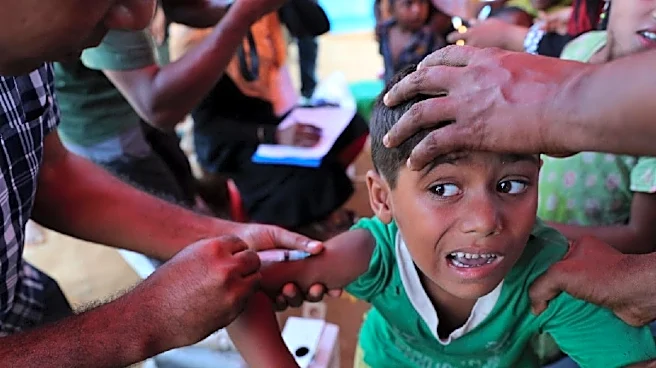
- Keep routine vaccinations up to date
- Promote a healthy diet and adequate sleep to strengthen immunity
- Parents should also stay alert to local health advisories and testing guidelines.
/images/ppid_59c68470-image-17754550321235807.webp)


/images/ppid_a911dc6a-image-177544923361379447.webp)


/images/ppid_a911dc6a-image-177529243930018228.webp)

/images/ppid_a911dc6a-image-177539602540949922.webp)

/images/ppid_a911dc6a-image-177546042392828716.webp)