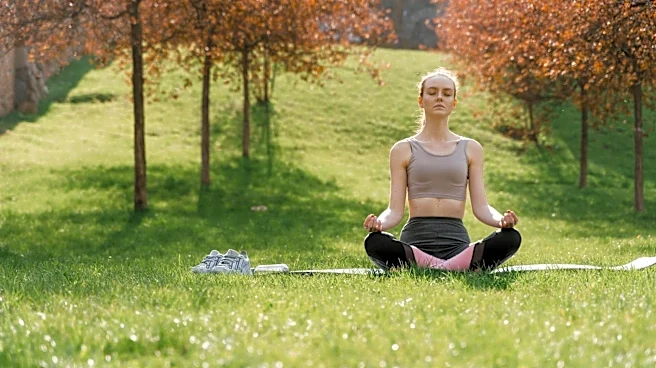
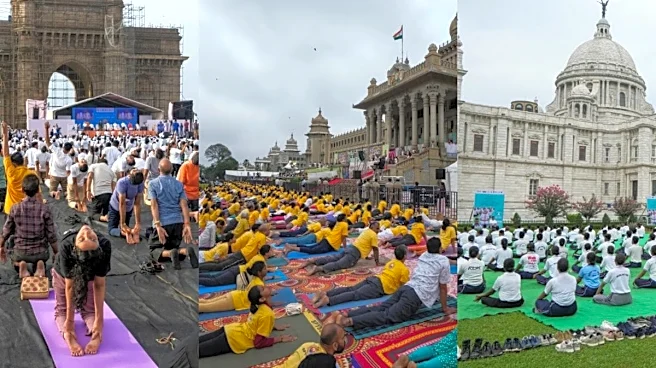
Yoga has long been celebrated as one of the most effective ways to improve both physical and mental well-being. On International Yoga Day 2026, doctors from different medical specialties have revealed the one yoga pose or practice they believe everyone should incorporate into their daily routine. While each expert highlights a different asana based on their area of expertise, they all agree on one thing: consistency matters more than complexity. Whether your goal is a healthier heart, better blood sugar control, improved mental health, stronger kidneys, or reduced back pain, these doctor-recommended yoga practices can complement a healthy lifestyle. However, they should never replace medical treatment prescribed by your physician.Also read:
The Silent Epidemic of Stiffness: Why Men Over 35 Should Start Yoga
For Heart Health: Practice pranayama daily
According to Dr. Chirag D, Consultant – Interventional Cardiology, Aster Whitefield Hospital, if there is one yoga practice that benefits almost everyone, it is
Pranayama, especially
Anulom Vilom (alternate nostril breathing). Although it is a breathing technique rather than a traditional yoga pose,
Pranayama helps regulate the autonomic nervous system, lowers stress levels, and supports healthier blood pressure over time. "Stress, poor sleep, and emotional imbalance significantly affect heart health. Regular breathing exercises can improve heart rate variability, reduce cortisol levels, and promote relaxation," he explains. He also recommends beginner-friendly poses such as:
- Tadasana (Mountain Pose)
- Vrikshasana (Tree Pose)
- Bhujangasana (Cobra Pose)
- Setu Bandhasana (Bridge Pose)
Doctors caution that yoga should complement - not replace - aerobic exercises like walking, cycling, or swimming, especially for cardiovascular fitness.
For mental health: Anulom Vilom
Psychiatrist Dr. Shaurya Garg of AIIMS says yoga has strong scientific evidence supporting its role in reducing stress, anxiety, and symptoms of depression. He recommends practicing
Anulom Vilom, sitting comfortably for meditation, maintaining proper posture while breathing, and performing Surya Namaskar daily. For people with depression who struggle to leave bed,
Surya Namaskar provides gentle physical activity, while meditation and breathing exercises help calm racing thoughts. "Yoga helps regulate breathing, declutter the mind, and promote emotional stability," he says.
For Diabetes: Vajrasana after meals
For those living with diabetes, Dr. Shehla Shaikh, Endocrinologist at Saifee Hospital, recommends
Vajrasana (Thunderbolt Pose). Unlike most yoga postures, Vajrasana can safely be practiced immediately after eating, making it unique. A few benefits include supporting healthy digestion, improving blood flow to digestive organs, assisting healthier post-meal blood sugar regulation, encouraging mindful breathing, and reducing stress-related cortisol spikes. “While it cannot replace diabetes medication or lifestyle changes, it is a valuable addition to a diabetes management plan,” she said.
For Kidney Health: Ardha Matsyendrasana
According to Dr. Himesh Gandhi, Director of Robotic Surgery and Uro-oncologist at Ruby Hall Clinic,
Ardha Matsyendrasana (Half Spinal Twist) is particularly beneficial for people with kidney disease. Although yoga cannot cure chronic kidney disease, this gentle twisting posture may help by improving circulation, stimulating abdominal organs, supporting cardiovascular health, reducing stress, and helping maintain healthier blood pressure. “The twist should always be gentle, never forceful, especially for individuals with existing medical conditions,” said Dr. Gandhi.
For Brain health: Balance, flexibility, and meditation
Neurologist Dr. Manjari Tripathi, Head of Neurology at AIIMS, says breathing exercises, meditation, positive affirmations, and loosening exercises may benefit people living with epilepsy. “Research suggests these practices may help reduce seizure frequency while improving emotional well-being,” she said. Meanwhile, Dr. Arun B. Shah, Director of Neurology at Sir HN Reliance Foundation Hospital, believes no single yoga pose offers complete neurological benefits. Instead, he recommends a combination of four key postures:
Vrikshasana (Tree Pose)
“It improves balance, strengthens core muscles, reduces stress, and enhances coordination,” said Dr. Shah.
Adho Mukha Svanasana (Downward-Facing Dog)
Helps decompress the spine and encourages healthy blood circulation to the brain.
Bhujangasana (Cobra Pose)
Strengthens the lower back while improving spinal flexibility.
Padmasana (Lotus Pose)
Ideal for meditation, helping improve focus, concentration, and mental clarity.
For women's health: Butterfly pose
Dr. Mohini Soni, Senior Consultant in Obstetrics & Gynecology at Fortis La Femme, recommends Baddha Konasana (Butterfly Pose). “This beginner-friendly posture offers several benefits for women's health, including improved pelvic circulation, better flexibility, reduced pelvic tension, relief from menstrual discomfort, and improved posture,” she said.
For better posture and back health: Cobra pose
According to Dr. Shreyas Kathrani, Head of Physiotherapy at Jaslok Hospital and Research Centre,
Bhujangasana (Cobra Pose) is one of the most beneficial yoga postures for today's desk-bound lifestyle. “Hours spent sitting at computers or looking down at smartphones often lead to poor posture and back pain,” he said. Cobra pose helps stretch your spine, open the chest, strengthen the lower back, improve shoulder mobility, encourage deeper breathing, and relieve muscle stiffness. There may not be a single yoga pose that benefits every health condition equally, but doctors agree that daily yoga can significantly improve overall health when practiced consistently. Whether it's
Anulom Vilom for heart and mental health,
Vajrasana for diabetes, Butterfly Pose for pelvic wellness, or
Bhujangasana for posture, these simple practices offer benefits that extend beyond flexibility. On International Yoga Day 2026, the biggest takeaway from medical experts is clear: Choose a yoga practice that suits your body, perform it regularly, and combine it with a healthy diet, adequate sleep, regular exercise, and appropriate medical care for lasting health benefits.
/images/ppid_a911dc6a-image-178200962732475350.webp)

/images/ppid_a911dc6a-image-178175482717585106.webp)
/images/ppid_59c68470-image-178193502323490368.webp)



/images/ppid_a911dc6a-image-178200403784267859.webp)