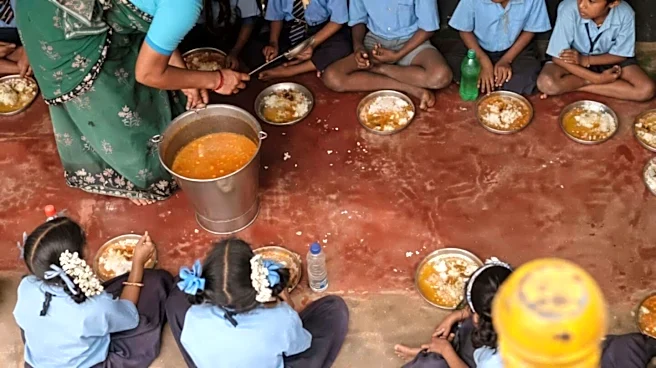
The debate over removing eggs from school mid-day meals and replacing them with paneer and soy products has reignited discussions about child nutrition in India. While vegetarian foods like paneer, soybean, and tofu are highly nutritious, nutrition experts say they cannot fully replace eggs, especially for growing children who rely on school meals for essential nutrients. The discussion gained momentum after the West Bengal government reportedly decided to discontinue eggs from mid-day meals in Kolkata schools where meals are prepared by ISKCON (International Society for Krishna Consciousness). The move has sparked political controversy, but health experts stress that the real focus should remain on children's nutritional needs.Also read: Breakthrough
Blood Test Detects Aggressive Prostate Cancer With Greater Accuracy
Why are eggs considered a nutritional powerhouse?
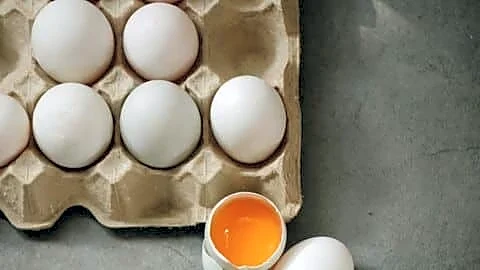
According to Aakanksha Arya, Dietitian at Sir Ganga Ram Hospital, eggs are among the most nutrient-dense foods available. "Eggs cannot truly be replaced by any other single food," she explains. "They provide high-quality protein along with vitamin B12, vitamin D, essential amino acids, and healthy fats that are crucial for children's growth and development,” she said. Unlike many plant-based protein sources, eggs contain complete protein, meaning they provide all nine essential amino acids the body cannot produce on its own. These nutrients are vital for muscle development, brain growth, immunity, and overall physical health.
Can paneer or soybean replace eggs?
Experts say the answer is not entirely. Dr. Suneet Khanna, Senior Dietitian and Nutritionist, notes that while soybean is the closest vegetarian alternative because it is also a complete protein, paneer offers high-quality protein and calcium, but lacks several nutrients naturally found in eggs. He explains that soybeans and tofu provide complete protein but contain little or no vitamin B12. While paneer is rich in protein and calcium, it is relatively low in iron and vitamin D. Vegetables also contribute fibre, vitamins, minerals, and antioxidants, but cannot serve as primary protein sources for growing children. “Eggs remain one of nature's finest foods; they provide complete, highly digestible protein along with Vitamin B12, Choline, Vitamin D, and Iron nutrients - essential for growing a child. Among vegetarian alternatives, soya and tofu are the closest substitutes because they are both complete proteins. Paneer is another excellent source of protein and calcium, while vegetables are an invaluable source for vitamins, minerals, fibre, and antioxidants, but they cannot replace eggs or soya as major protein sources,” he told PTI. Therefore, replacing eggs requires a carefully planned combination of foods rather than a single substitute.
Why are mid-day meals important?
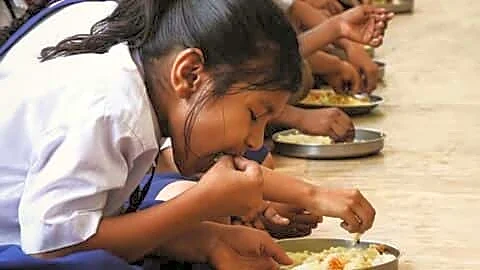
For millions of children in India, school mid-day meals provide a significant portion of their daily nutritional intake. Many families cannot regularly afford nutrient-rich foods such as eggs at home. Arya warns that if schools replace eggs served once or twice a week, children will need to consume much larger quantities of paneer, soy products, pulses, and dairy to receive equivalent protein and nutrients - a target that may not always be practical or affordable. She also highlights the economic reality that removing eggs from school meals could widen nutritional gaps among children from low-income households.
The bigger health picture
Eggs remain one of the most affordable sources of complete protein, vitamin B12, vitamin D, choline, healthy fats, and iron - all nutrients essential for healthy brain development, stronger immunity, and proper growth. While vegetarian diets can certainly meet a child's nutritional requirements, doing so requires careful meal planning and multiple complementary foods. Simply replacing eggs with paneer alone may leave important nutritional gaps. Ultimately, experts agree that the goal of India's mid-day meal programme should be to provide balanced, scientifically designed meals that support every child's physical and cognitive development, regardless of dietary preferences or food choices.
/images/ppid_a911dc6a-image-178253323082393066.webp)








/images/ppid_59c68470-image-178236753806293096.webp)