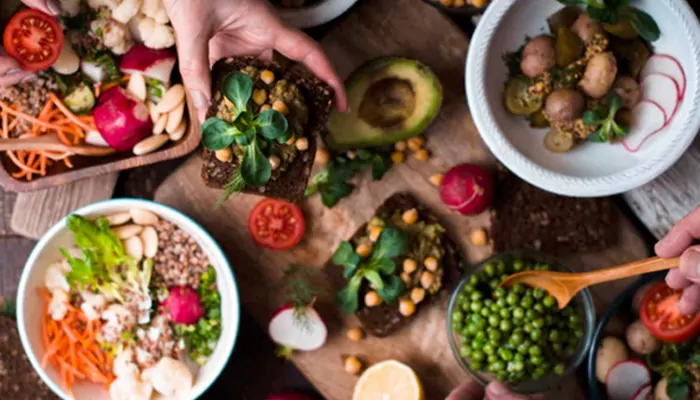

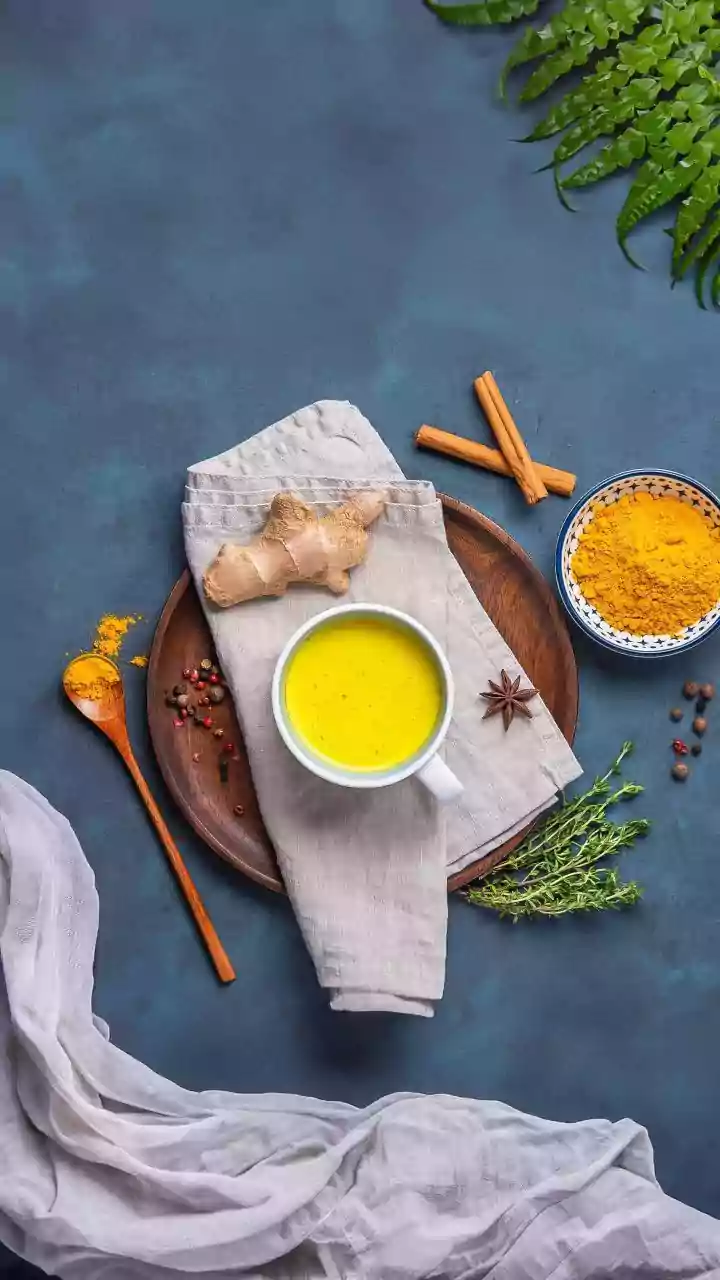






The year that turned our plates into mood boards - half nostalgia, half climate anxiety, with a big drizzle of social-media flex.
2025 taught us to eat
with purpose. As 2026 arrives, expect menus that waste less, honour roots more, and turn every plate into a small act of intention.
Fusion desserts, but smarter
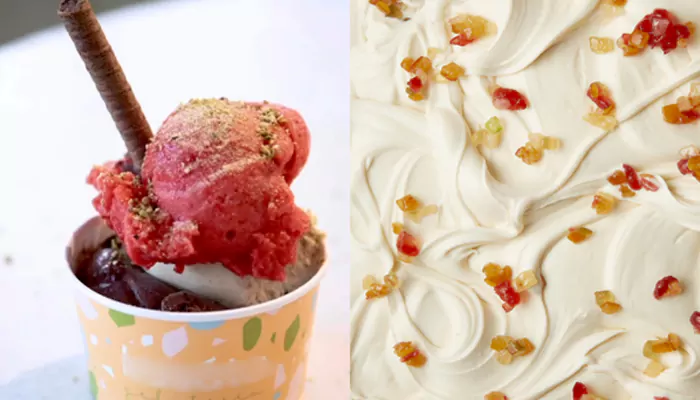
Kasata gelato
Dessert menus are moving from random “gulab jamun cheesecake” experiments to tighter, chef-led crossovers that respect both bases - think kasata gelato, filter-coffee soft serve and millet brownies with jaggery caramel. Surveys show Indian diners now want familiar flavours with better ingredients, not just sugar bombs, which is why plant-forward, high‑fibre sweets are getting pride of place.
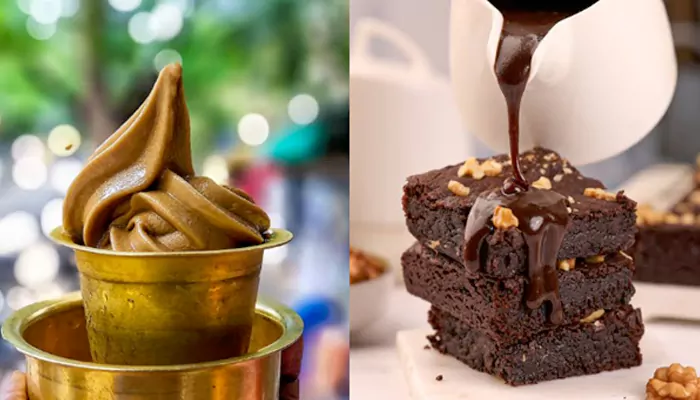
Filter-coffee soft serve (left) Millet brownies with jaggery caramel (right)
Zero‑waste dining as default
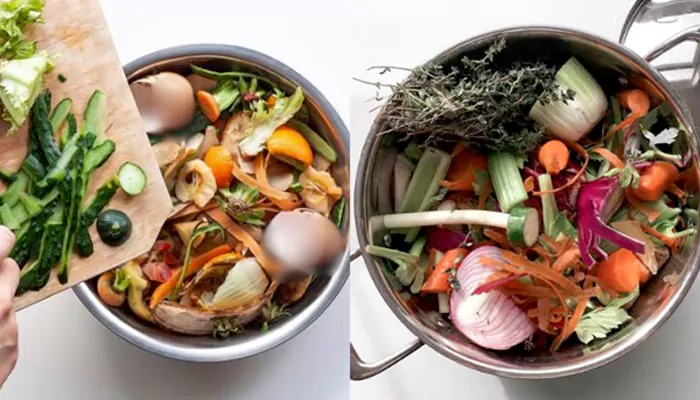
Waste nothing: Use every vegetable part
What started as a niche chef statement is quietly becoming table stakes: whole‑vegetable cookery, carrot-top chutneys, nose‑to‑tail menus, and cocktails made from “scrap” citrus are heading into mainstream restaurants and outdoor catering. Indian diners are actively asking about where ingredients come from and how much is binned, pushing hotels and indie cafés to show off composting units, dehydrators and clever second‑life recipes.
Upcycled snacks and drinks
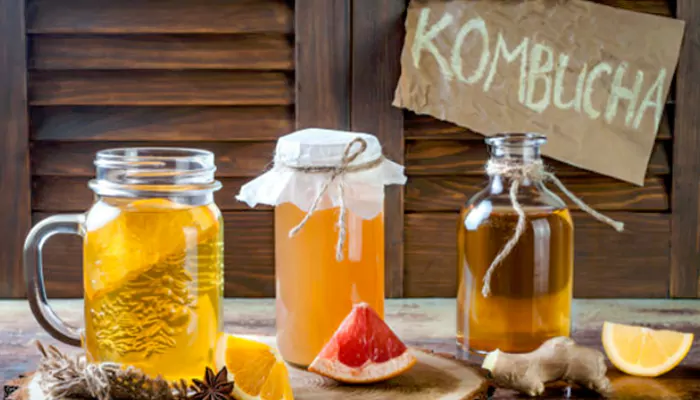
Globally, the upcycled food market is on track to more or less double between 2025 and 2034, fuelled by brands turning coffee cherry husk, spent grain and fruit peels into chips, bars and drink bases. In India, expect more cereal mixes using surplus millets, protein powders from seed pressings, and kombucha‑style ferments brewed from “waste” fruit, sold as both eco‑friendly and wallet‑friendly options.
Plant‑based 2.0 (less fake meat, more real plants)
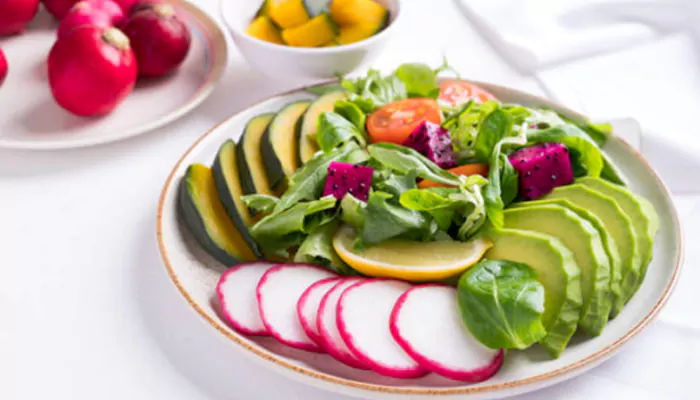
The next wave of plant‑based eating moves beyond imitation burgers into bowls built around pulses, lentils, regional millets and “recognisable” vegetables. Global insights show consumers want shorter ingredient lists and minimally processed plant foods, which lines up neatly with India’s comfort with dal, chana, rajma, jackfruit and soya as centre‑of‑plate stars.
Functional foods for everyday wellness
From gut‑friendly ferments to protein‑rich breakfast jars, food is leaning into health without surrendering taste: think probiotic pickles, yogurt‑based drinks, seed‑loaded chikkis and beverages fortified with botanicals.
A nutritious winter recipe for seeds and dry fruits loaded chikkis
(@shaheentsyed/Instagrm)
Reports highlight growing demand for foods that help with energy, sleep, immunity and digestion, especially among Gen Z and young professionals trying to fix lifestyles without giving up chaat or chai.
AI‑tuned menus and “smart” kitchens
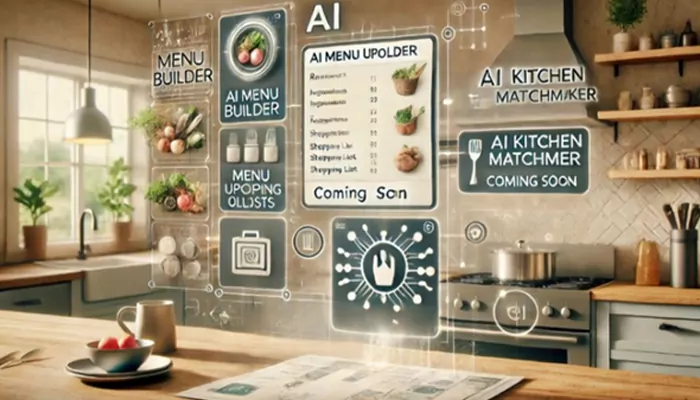
(Source: AirKitchenz)
AI is slipping into the back of house: prediction tools are helping restaurants plan inventory, cut wastage and personalise recommendations based on order history and local weather. In delivery apps and cloud kitchens, algorithms are quietly shaping portion sizes, dynamic pricing and “you may also like” combos, which is why that burrito‑plus‑jaljeera pairing suddenly looks suspiciously on‑point.
Regional India goes global
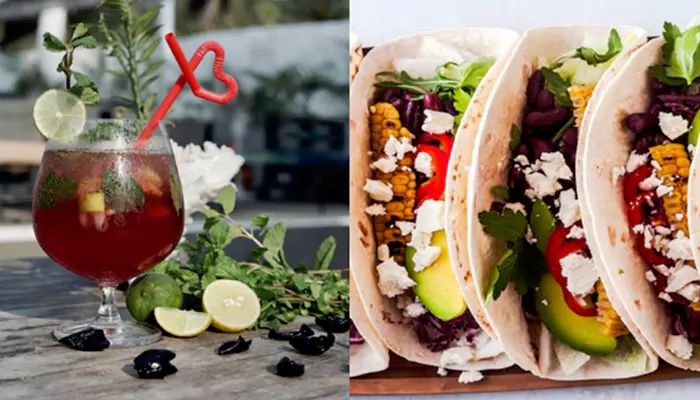
Kokum spritzer (left) Chettinad tacos (right)
Third‑culture food - Kokum spritzers, Chettinad tacos, Manipuri black rice pudding - sits comfortably next to ramen and tacos on 2026 menus. Industry reports note rising interest in hyper‑local Indian flavours, from Goan poi sandwiches to Gondhoraj‑lime desserts, as hotels and chains chase originality instead of yet another generic “continental” buffet.
Climate‑conscious catering and outdoor feasts

Enjoy a Zero-Waste Eco-friendly Wedding
Luxury catering is swapping plastic chafing sets for biodegradable serveware, edible garnishes and menus built around seasonal, low‑travel produce. Large events - weddings, corporate offsites, music festivals - are increasingly expected to display their sustainability playbook: waste‑sorting stations, donation tie‑ups, and carbon‑light menus with more vegetables and fewer imported frills.
Beverage experimentation
Love some nolen gud cold coffee? Here's how you make it
(@salonikukreja/Instagram)
Swicy, no‑lo and local “Swicy” (sweet‑spicy) drinks, regional coffee experiments and low or no‑alcohol cocktails are riding the same wave. Expect kokum‑chilli highballs, nolen gur cold brew, filter‑coffee espresso martinis, and soda-style drinks built on local fruits and spices for drinkers who want a vibe without the heavy buzz.
As 2025 wraps, these ten trends signal more than fleeting fads - they're reshaping how India eats, celebrates and thinks about waste. In 2026, expect your plate to tell a story: regional, responsible, and unapologetically delicious.