




More Than Just a Skull
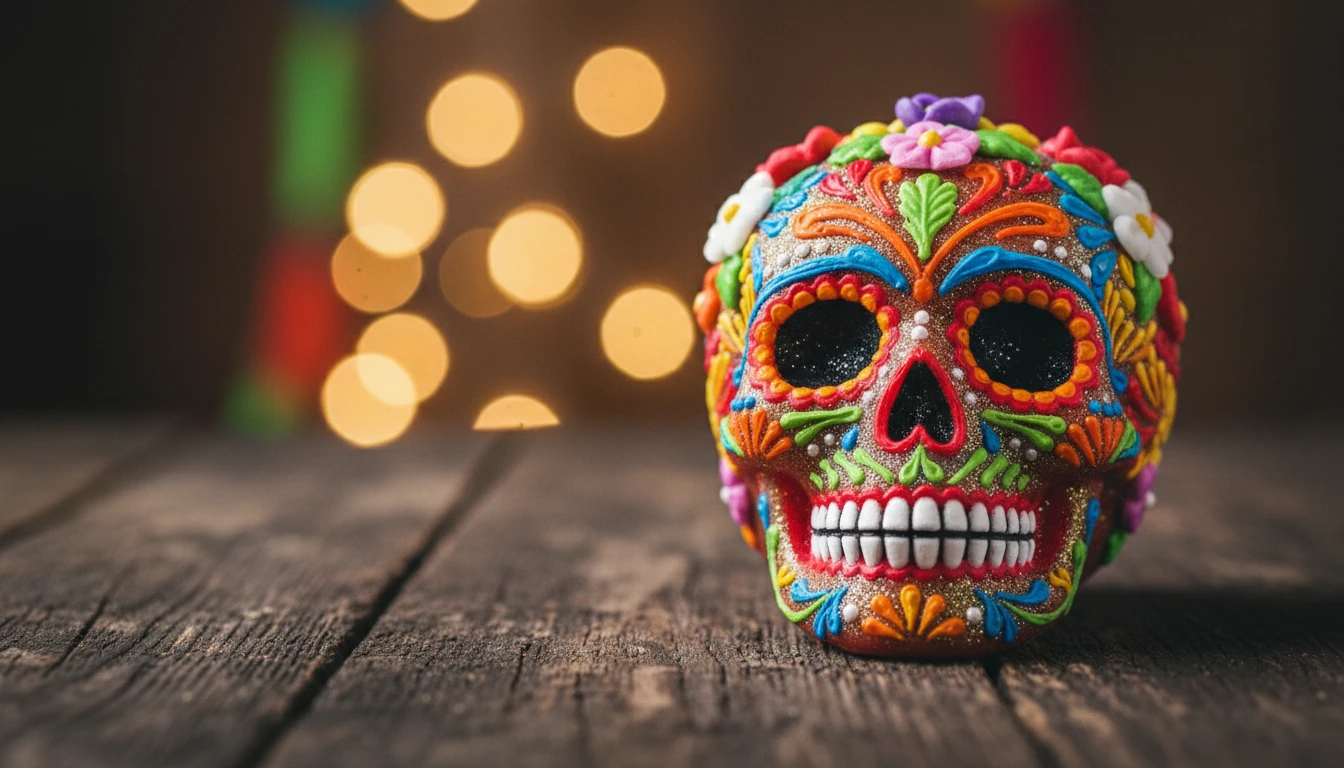
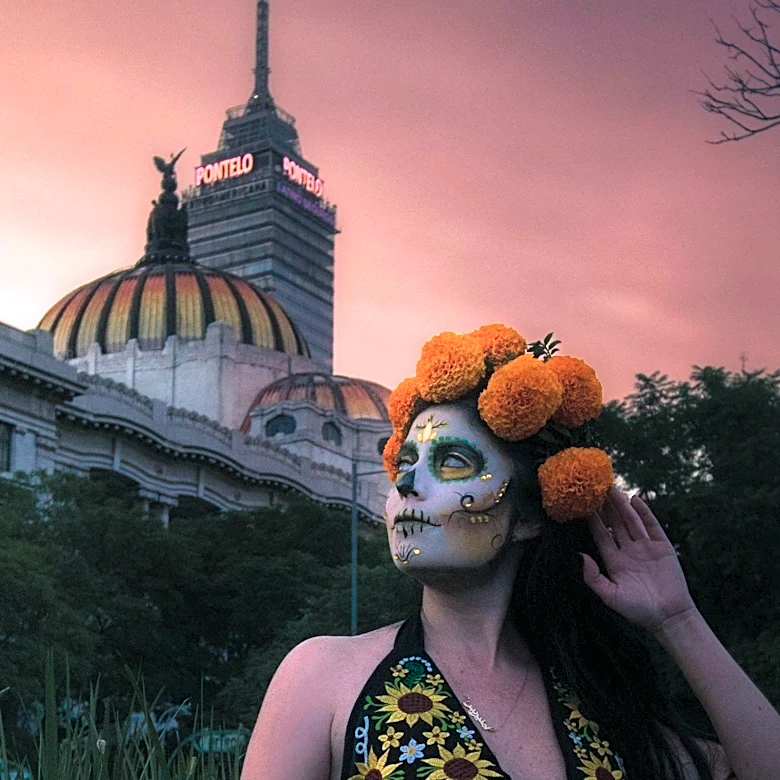
The sugar skull, or 'calavera de azúcar', is a foundational element of Día de los Muertos (Day of the Dead), a Mexican holiday celebrated from October 31st to November 2nd. Far from being a scary symbol, the calavera is a joyful icon that celebrates life and honors the dead. The tradition has roots in pre-Hispanic Aztec rituals, where skulls were used to honor the gods and symbolize the cycle of life and death. After the Spanish conquest, this practice merged with Catholic traditions, and sugar art learned from friars was adapted to create the decorative sugar skulls we know today. These skulls, often inscribed with the name of a deceased loved one on the forehead, are placed on 'ofrendas' (altars) to welcome spirits back to the realm of the living.
The sugar represents the sweetness of life, and the skull is a playful nod to the inevitability of death, reminding everyone that mortality is a natural part of existence.
The Icon Behind the Art: La Catrina
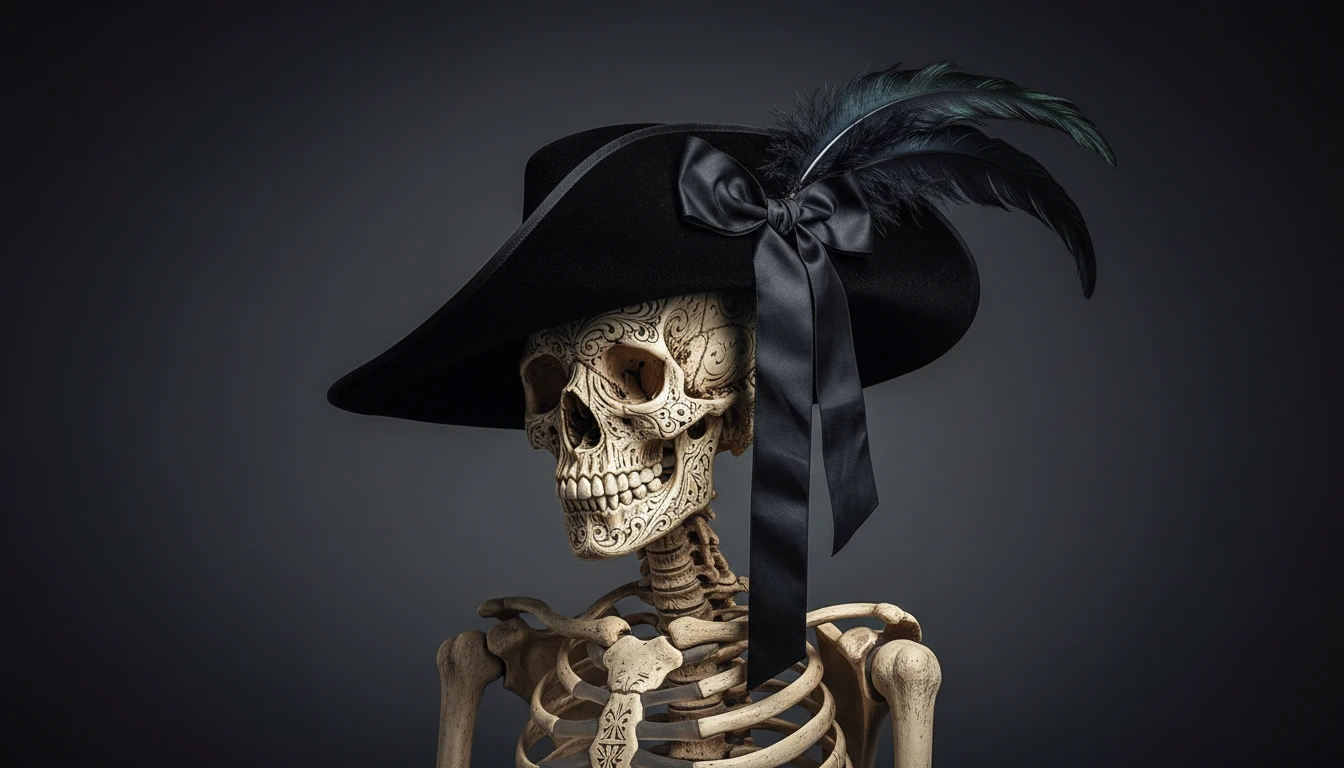
Much of the popular imagery associated with modern calavera makeup is inspired by 'La Calavera Catrina', an iconic figure created by Mexican illustrator José Guadalupe Posada around 1910. Originally, his zinc etching of a skeleton in a fancy, European-style hat was a form of social satire. It was a commentary on Mexican natives who were perceived as aspiring to European aristocratic trends while denying their own indigenous heritage. The message was simple: regardless of wealth or social class, we are all just skeletons underneath. Decades later, artist Diego Rivera included a full-bodied version of La Catrina in his famous mural, 'Dream of a Sunday Afternoon in Alameda Park', cementing her as a national symbol of Mexican identity and the country's unique, celebratory relationship with death.
Appreciation vs. Appropriation
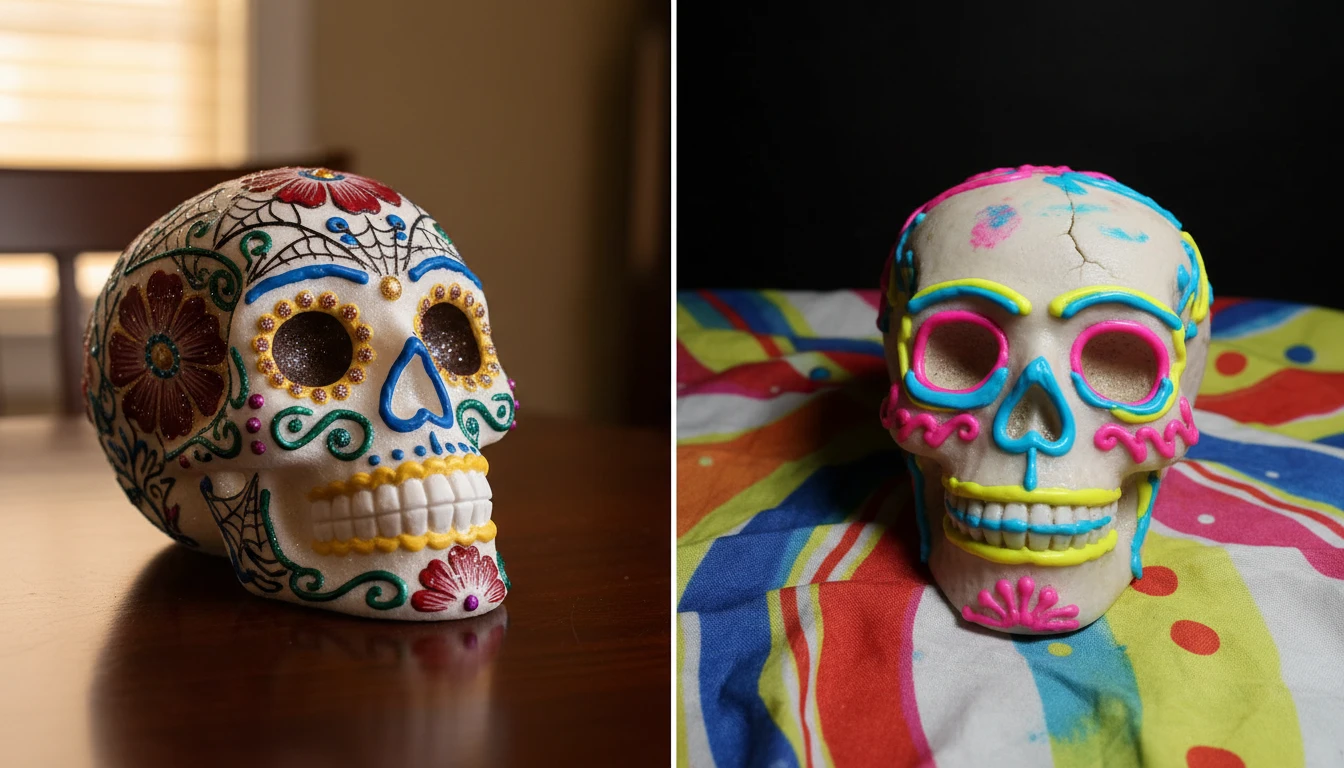
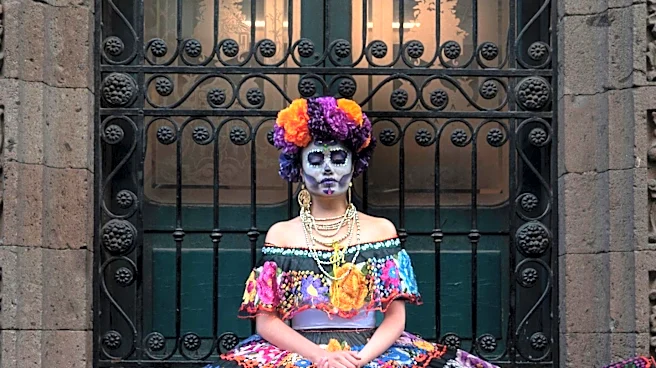
Herein lies the central tension: when does wearing sugar skull makeup cross from appreciation to appropriation? The line is crossed when the aesthetic is divorced from its meaning. Cultural appropriation happens when a dominant culture borrows from a marginalized culture without context, credit, or understanding, often reducing a sacred tradition to a mere costume or trend. Turning a calavera into a generic 'spooky skeleton' for a Halloween party, for instance, strips away its purpose of honoring ancestors. However, many within the Mexican community are open to outsiders participating, provided it is done with respect, education, and the right intention—to genuinely celebrate and learn about Día de los Muertos, not just to wear a cool costume.
A Guide to Wearing It Respectfully
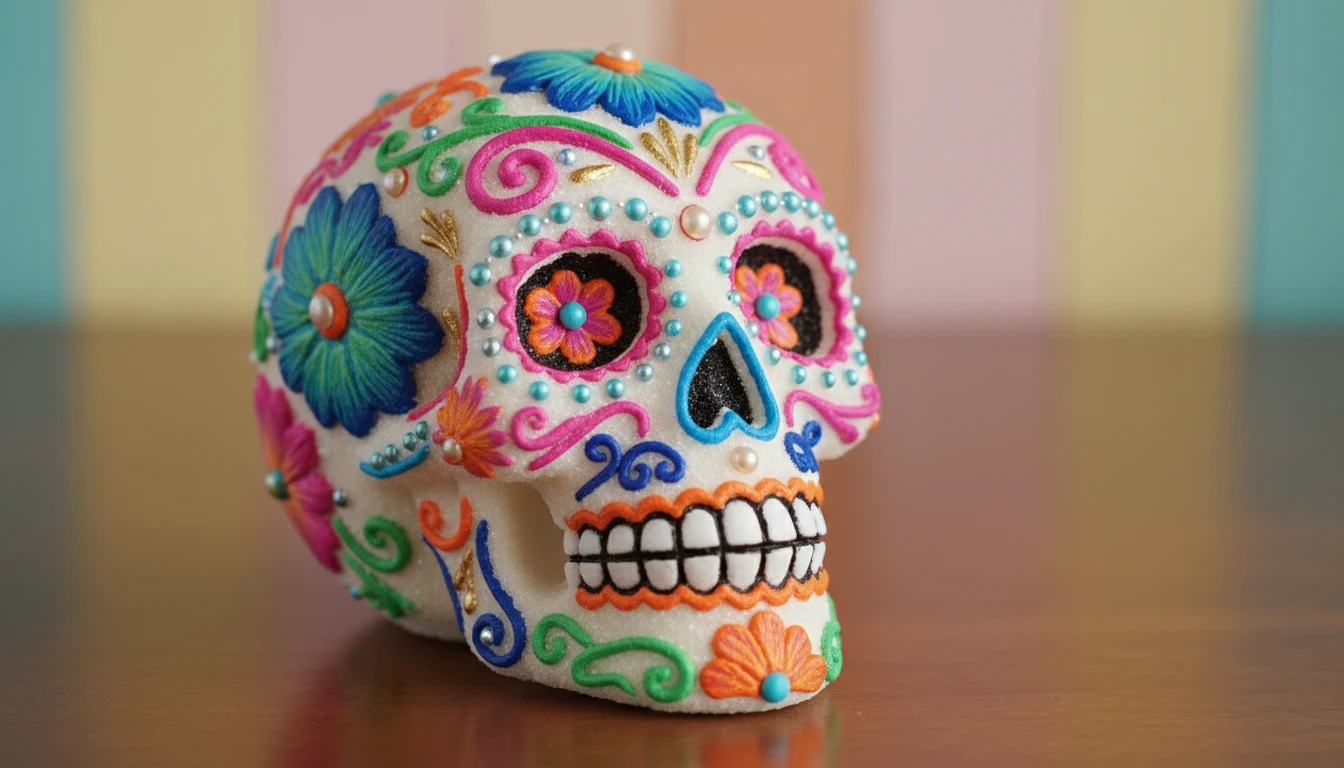
If you wish to wear calavera makeup, doing so with honor is key. First, understand the 'why'. This makeup is for celebrating Día de los Muertos, not just any Halloween party. Knowing the history is the first step toward respect. Second, use the right name. Call it a 'calavera' or 'sugar skull' look, not generic 'Day of the Dead makeup'. This acknowledges its specific cultural origin. Third, remember the look is about beauty, not fear. Calaveras are vibrant and celebratory, adorned with flowers, swirls, and bright colors. Avoid making it gory, bloody, or scary; it is not a Halloween monster. The goal is to create an elegant, artistic tribute to life, not a fright. Finally, consider your sources. If buying pre-made items or learning tutorials, try to support Mexican and Mexican-American artists and creators who have a genuine connection to the tradition.