







Step 1: Break It Down With Oil
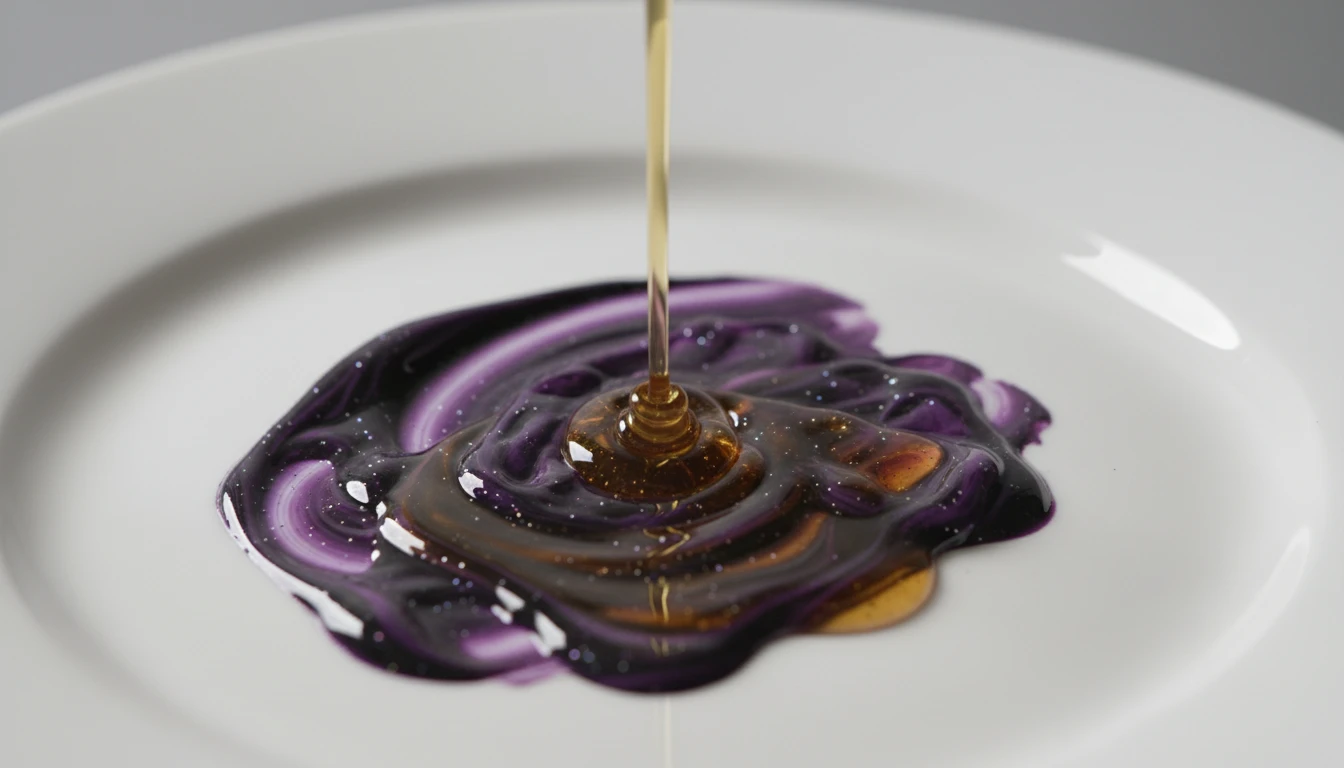
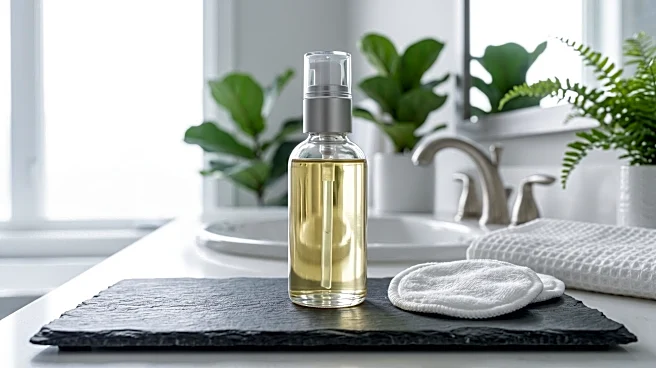
Before you even touch a washcloth or water, the first step is to dissolve the heavy-duty products on your face. The cardinal rule of makeup removal is 'like dissolves like'. Since many theatrical paints, long-wear foundations, and waterproof products are oil-based, an oil-based cleanser is your best friend. Apply a cleansing balm, cleansing oil, or even a pure oil like coconut or jojoba directly to your dry, makeup-covered skin. Massage it in gentle circles all over your face, including over your eyes and lips, to break down the pigments and binders. You will look like a mess, but this is the most crucial step to melt everything away without harsh scrubbing.
Step 2: Tackle the Tough Stuff
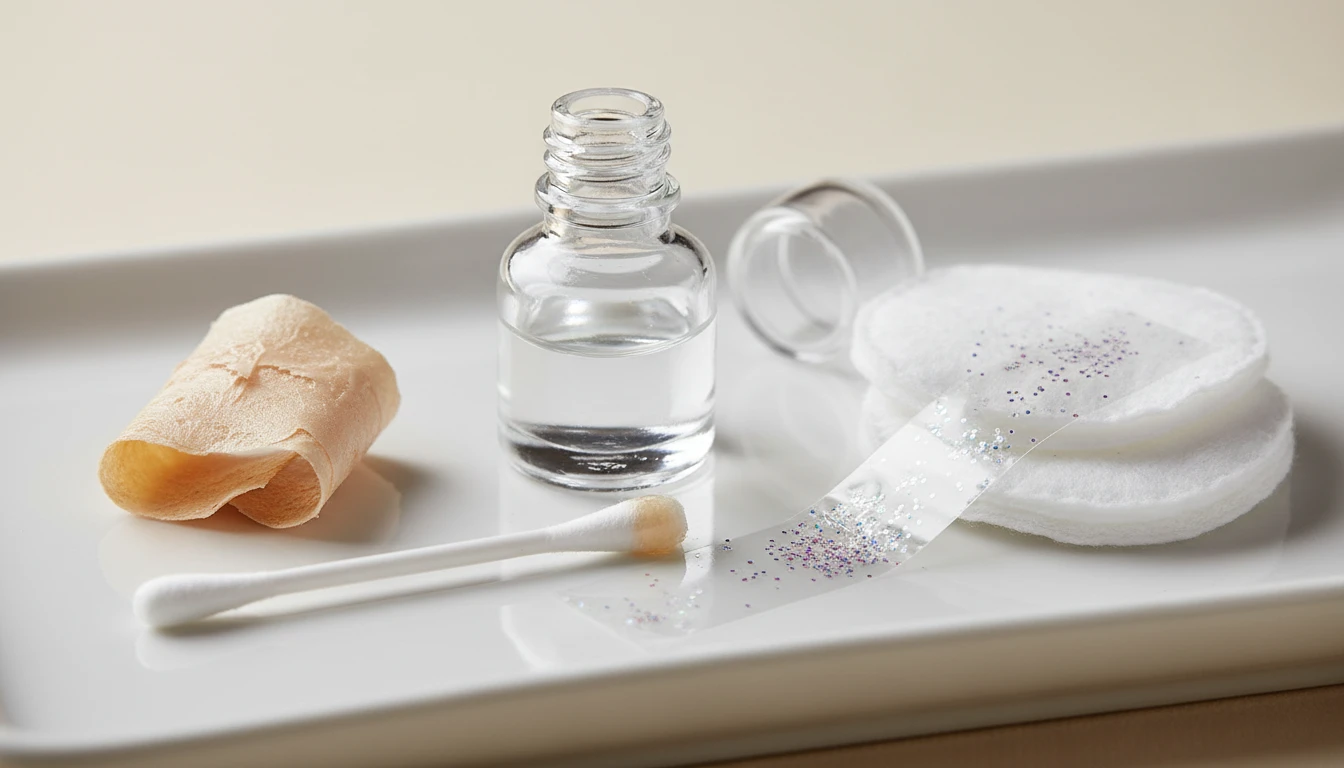
Certain special effects require their own specific removal strategy. For prosthetics
attached with spirit gum, you need a dedicated spirit gum remover to dissolve the adhesive safely—never pull it off dry. Apply the remover with a cotton swab along the edges and allow it to work its magic before gently peeling the appliance away. Liquid latex can often be softened with an oil-based cleanser and then carefully rolled off the skin in the direction of hair growth. For stubborn glitter, don't scrub. Instead, use your oil cleanser and a cotton pad to lift most of it, or gently press a piece of tape to the area to pick up stray particles before cleansing.
Step 3: The Gentle Second Cleanse
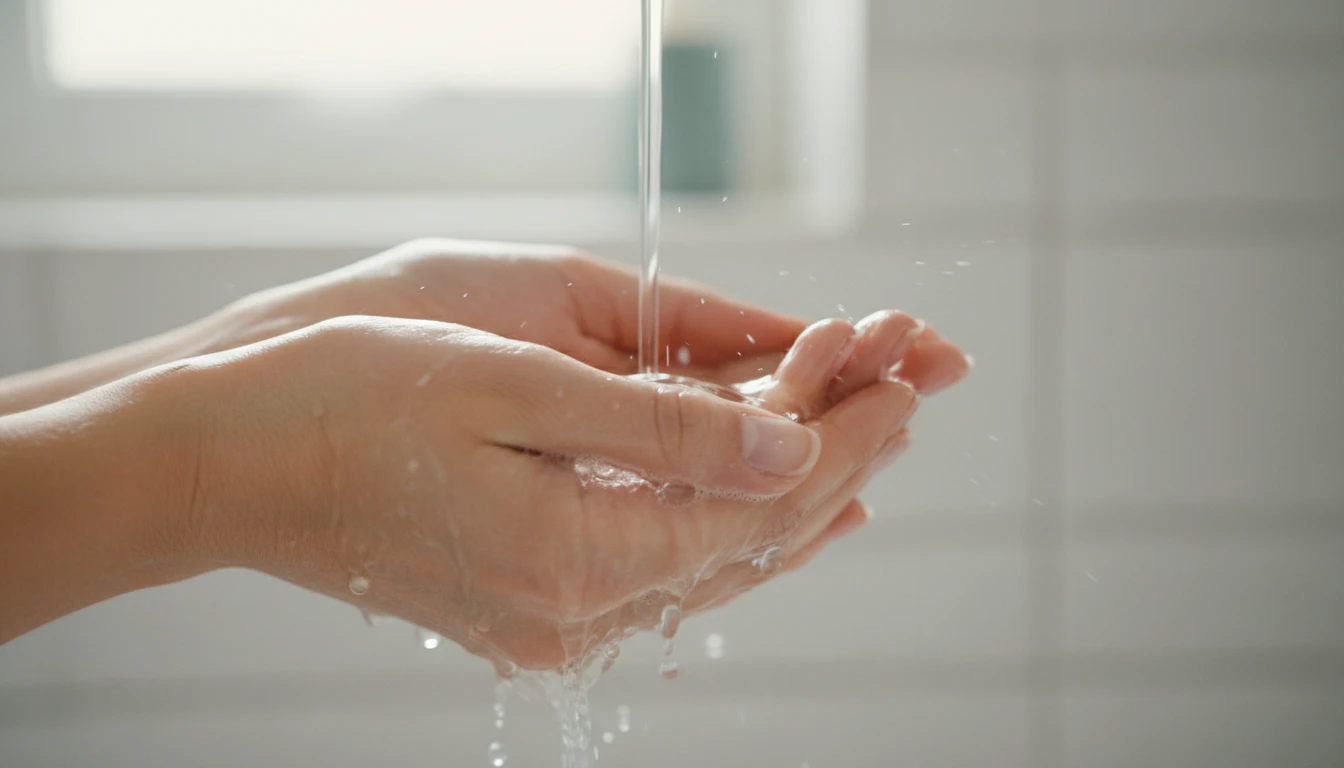
Now that the makeup is broken down and loosened, it's time for the second part of the 'double cleanse'. After wiping away the oily residue with a soft cloth or pads, wash your face with a gentle, water-based or foaming cleanser. Use your fingertips and lukewarm water, making sure to avoid aggressive rubbing, which can irritate skin that’s already been under stress. This step is designed to wash away any remaining makeup residue and the initial oil cleanser, leaving your skin truly clean without feeling stripped or tight.
Step 4: Soothe and Rehydrate
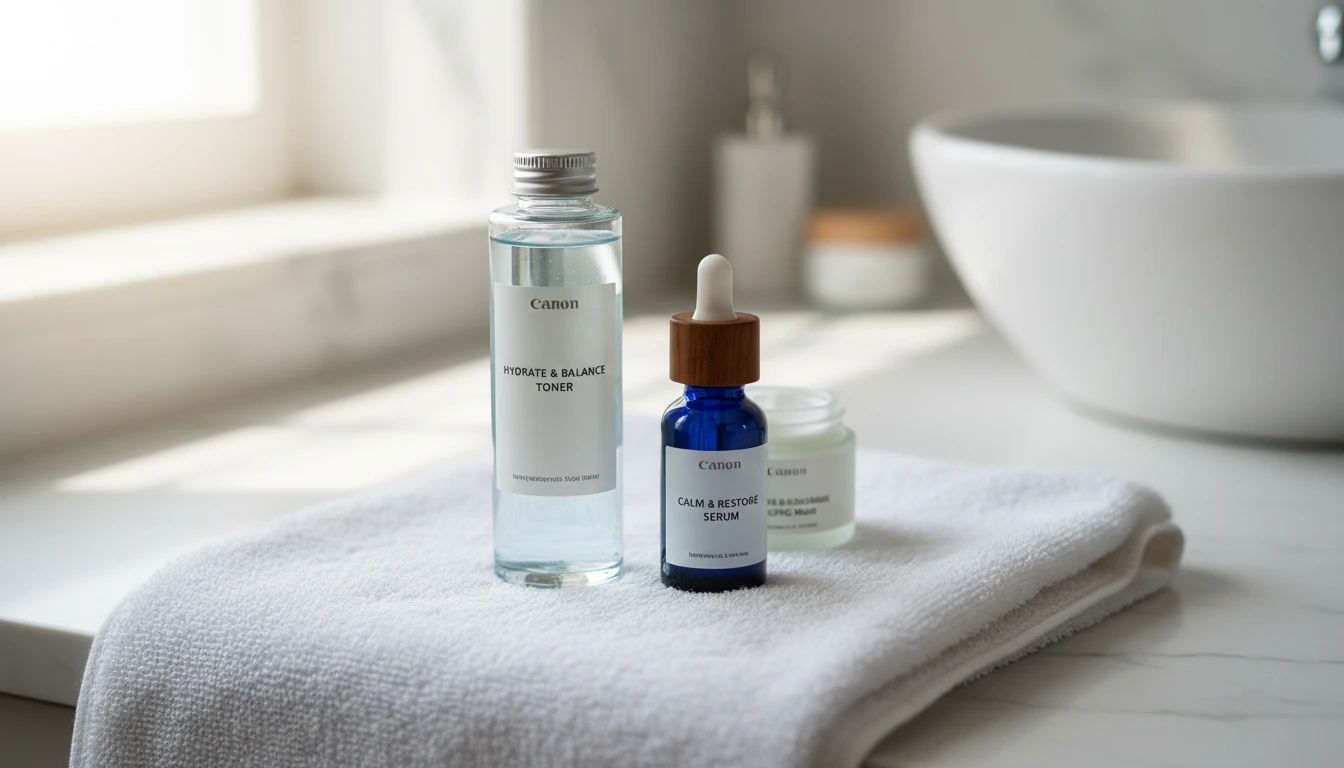
Heavy makeup and the removal process can leave your skin feeling dehydrated and sensitive. Now is the time to focus on replenishing moisture and calming irritation. After gently patting your face dry, apply a hydrating toner to help rebalance your skin's pH. Follow up with a soothing serum containing ingredients like niacinamide or hyaluronic acid. Avoid using any harsh exfoliants or potent active ingredients like retinol immediately after a deep clean. Your skin barrier needs time to recover, and piling on aggressive products can lead to redness and sensitivity.
Step 5: Lock In Moisture
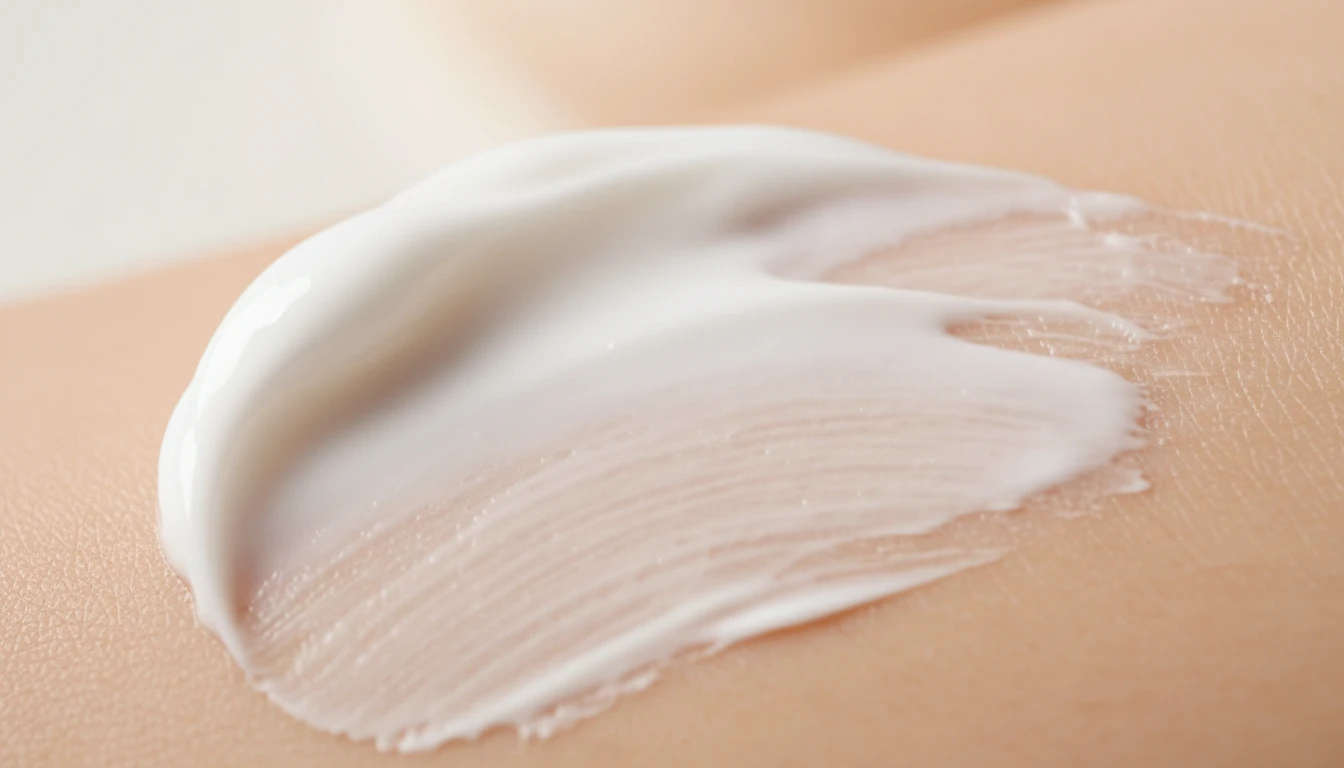
The final step in your recovery routine is to lock in all that hydration with a good moisturizer. Choose a formula that works for your skin type—a richer cream for dry skin or a lightweight gel for oily skin. Applying moisturizer to slightly damp skin helps seal in moisture more effectively. This not only rehydrates your skin but also helps repair its protective barrier after a long night under heavy paints and powders. If your skin feels particularly stressed, giving it a break from makeup for a day or two afterward can also help it fully recover.