


1. Easiest: The Classic Vampire
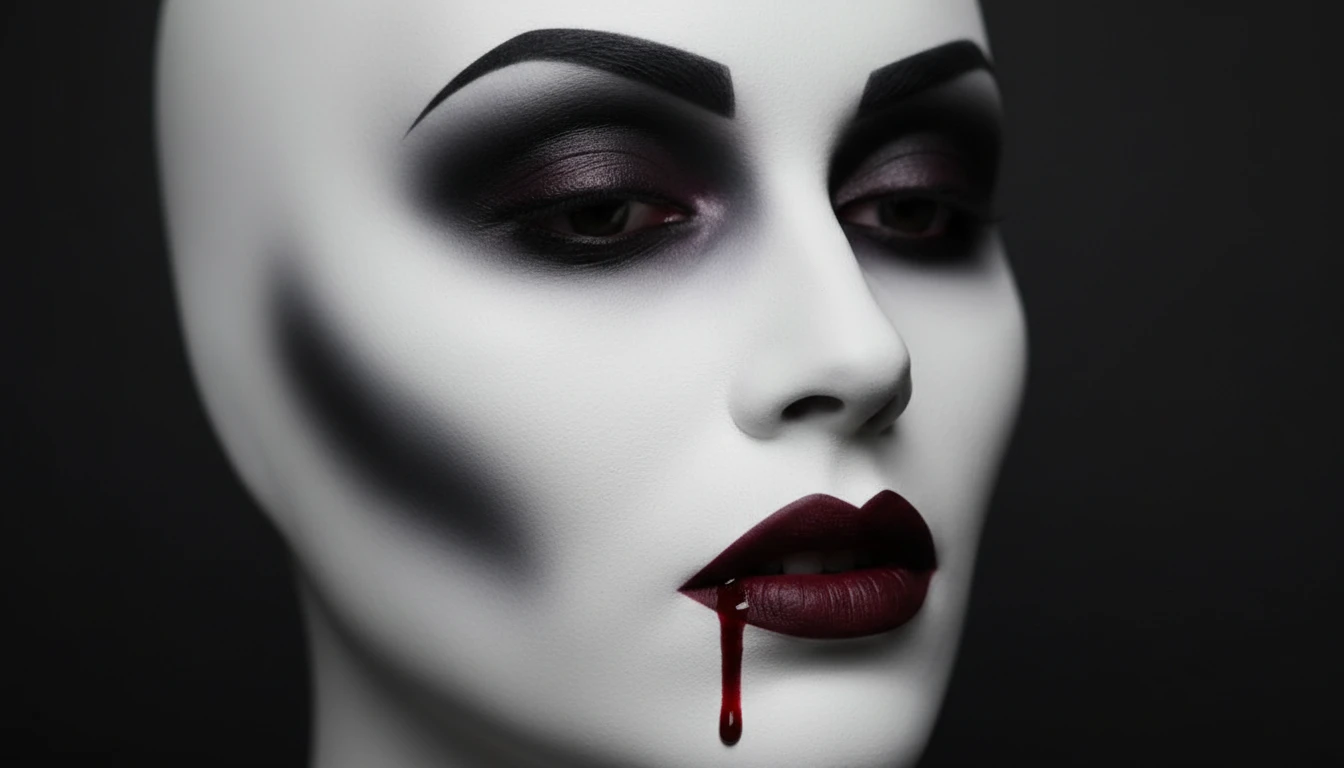
The immortal charm of the vampire is its simplicity. This look is the perfect entry point because it relies on basic makeup techniques you likely already know. The key is creating a pale, 'undead' complexion by using a foundation a few shades lighter than your natural skin tone. From there, it's all about creating sharp, sunken features. Use a cool-toned contour powder or a gray eyeshadow to hollow out your cheekbones, temples, and the sides of your nose. For the eyes, a simple smoky look using black and gray will do, perhaps with a touch of red or burgundy blended in to look more sinister. Define your brows to be dark and sharp, add a deep red or nearly black lipstick, and finish with a trickle of fake blood from the corner of your mouth. No
prosthetics or special adhesives are required, making this a fast, affordable, and effective choice.
2. Intermediate: The Ghastly Mummy
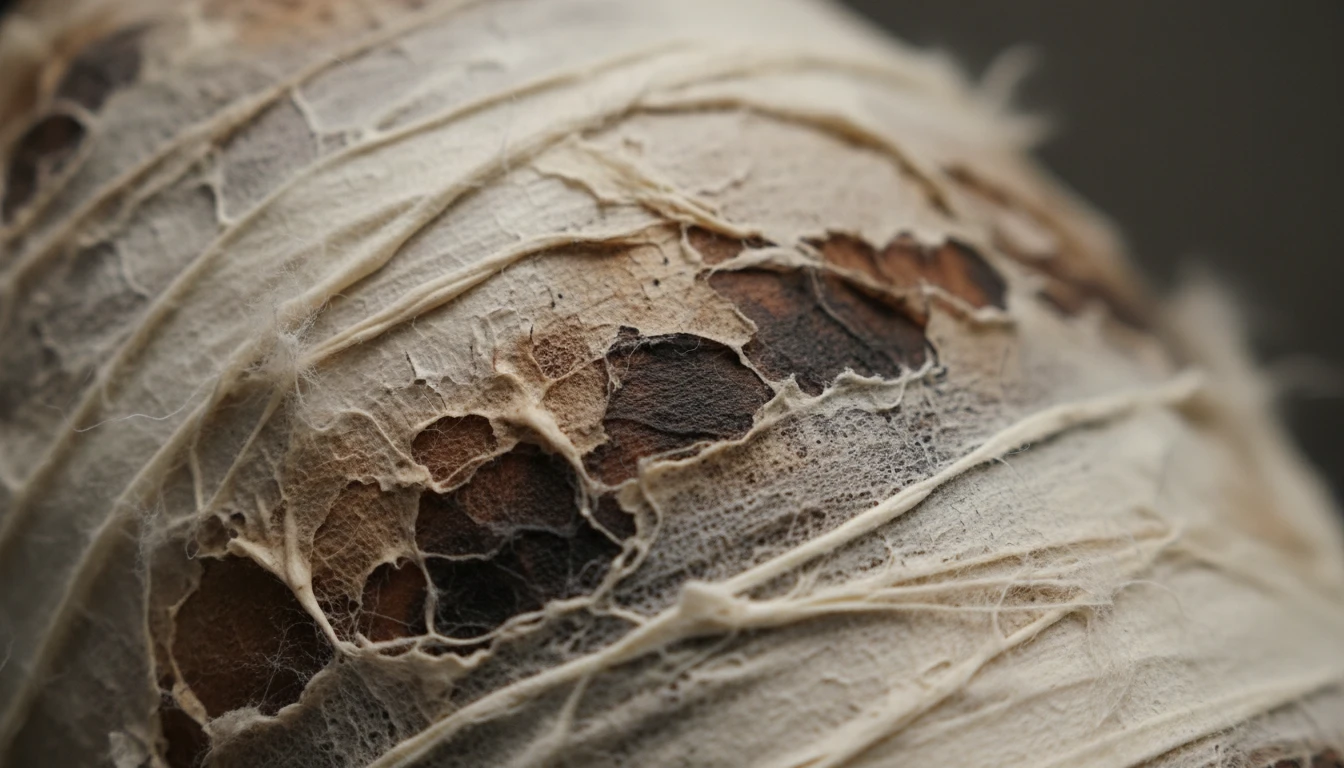
Becoming an ancient, reanimated mummy is a step up in complexity, primarily because it introduces texture. While the makeup base is simple—often just a pale, dusty foundation—the real art is in creating the look of desiccated, preserved skin. This can be achieved by applying layers of liquid latex mixed with cotton or tissue paper to create a wrinkled, peeling effect. Some tutorials suggest using cheesecloth or gauze adhered directly to the face with cosmetic glue to mimic bandage remnants. Shading is crucial here; using brown and black makeup to create deep shadows around the eyes and cheeks gives the illusion of a sunken, hollow skull beneath the wrappings. While it doesn't necessarily require complex sculpting, the layering and material work demand more time and patience than a vampire look.
3. Advanced: Frankenstein's Monster
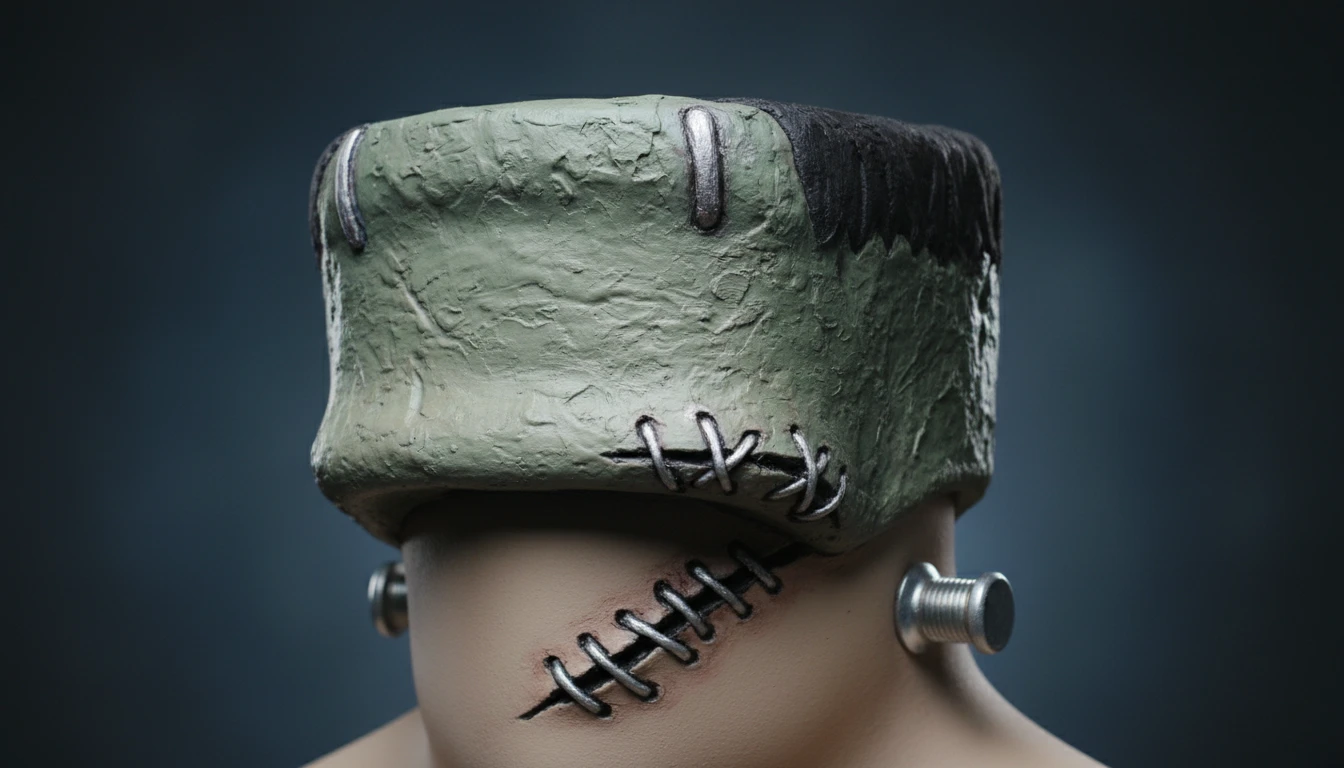
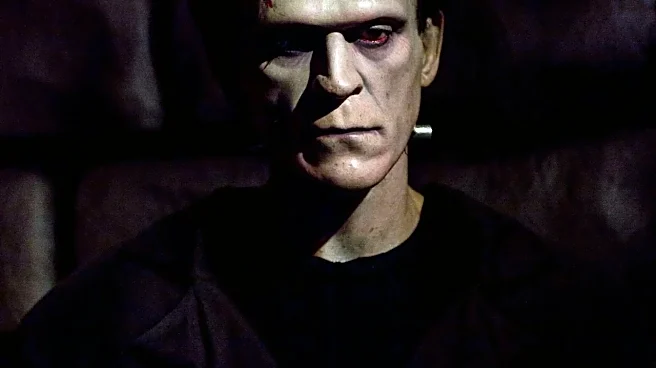
This is where we move from simple makeup to light construction. Boris Karloff's iconic movie monster is defined by its distinct silhouette and stitched-together appearance, which requires more than just paint. The base involves covering the face in a sickly green, gray, or bluish foundation. But the real challenge lies in building out the features. Makeup artists often use prosthetics, even simple ones, for the brow and jaw to create that classic squared-off head shape. If you're skipping pre-made prosthetics, you can use scar wax or putty to build up the brow ridge. Drawing on staples or crude stitches with black and silver makeup is essential, using shading to make them look embedded in the skin. Adding neck bolts, whether purchased or homemade, completes the effect. This look combines painting, shading, and basic prosthetic or sculpting work, making it a solid advanced project.
4. Most Advanced: The Ferocious Werewolf
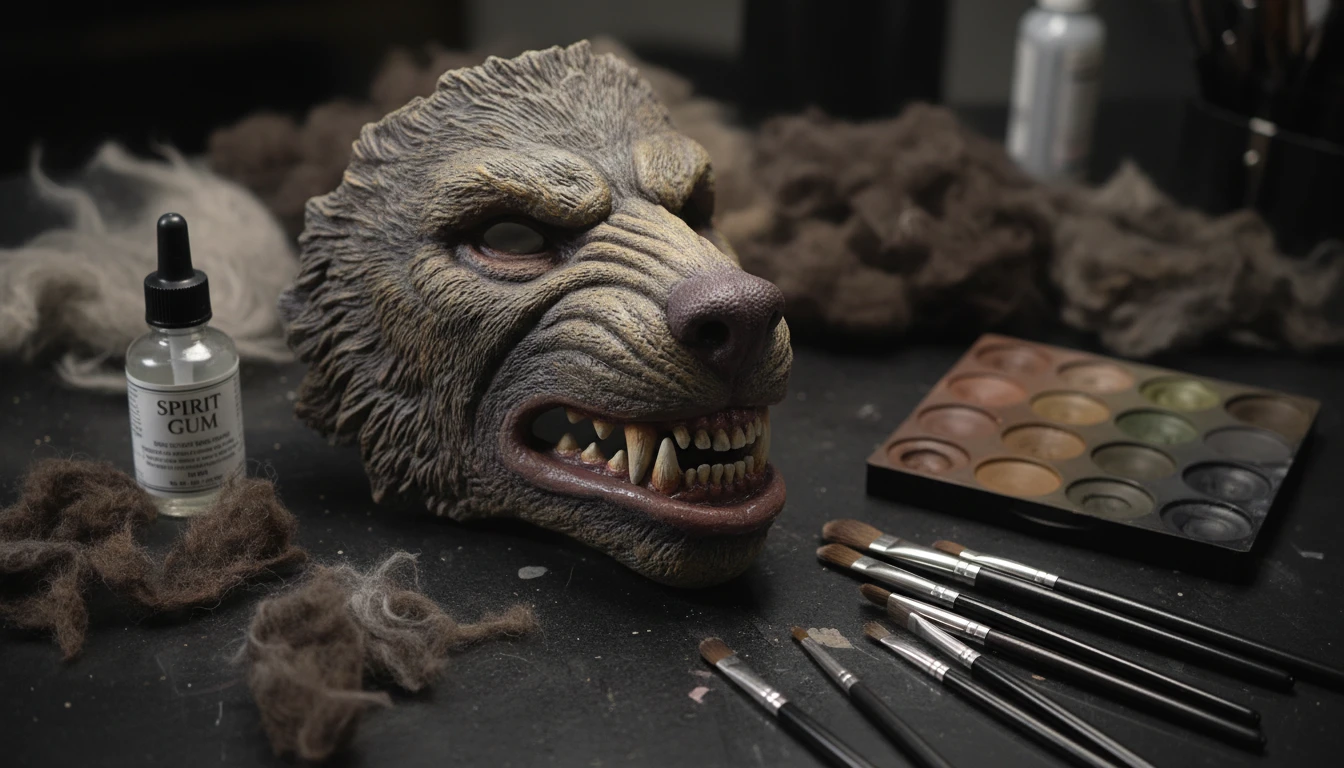
Transforming into a werewolf is one of the most challenging classic monster looks because it blends human and animal features and involves extensive use of prosthetics and hair application. Many high-quality werewolf makeups start with a prosthetic nose or muzzle to create the wolf's elongated snout. Applying and blending these silicone or latex pieces seamlessly into your own skin requires spirit gum or prosthetic adhesive and a good deal of practice. After the prosthetics are in place, the entire face must be painted to create a cohesive skin tone, often with intricate shading to define the new bone structure. The final, and perhaps most difficult, step is applying hair. This is typically done by painstakingly gluing on pieces of crepe wool or cut-up bits of a wig to create fur on the cheeks, jawline, and forehead, blending it into your own hairline. This multi-layered process of prosthetics, painting, and hair work puts the werewolf at the pinnacle of classic monster makeup difficulty.