





Myth: That cheap kit from the costume store is totally fine.
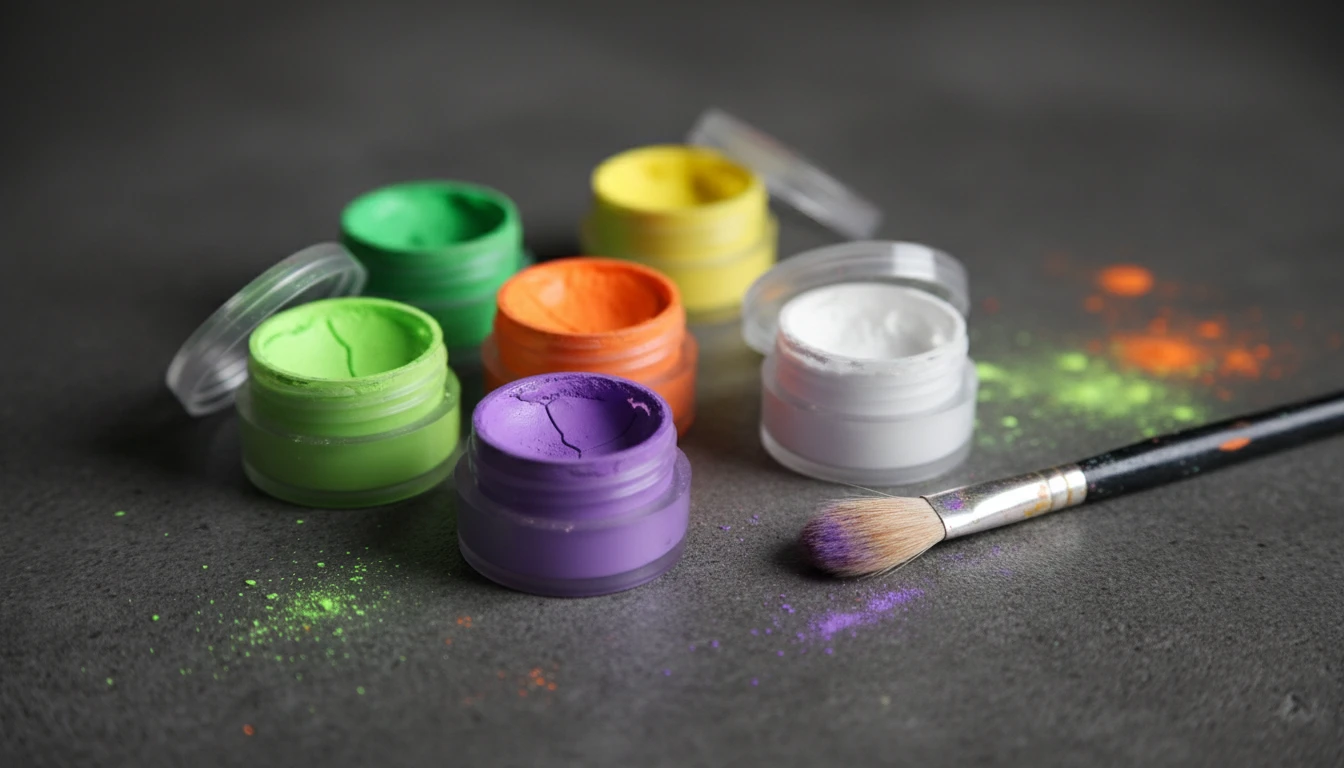
While the price is tempting, cheap, unbranded Halloween makeup kits can be a horror story for your skin. Many are made with low-quality waxes, oils, and artificial dyes not held to the same safety standards as regular cosmetics, which can clog pores and cause severe irritation or allergic reactions. Instead of grabbing the first kit you see, look for 'theatrical' or 'cosmetic-grade' face paints from trusted brands. These are formulated for skin safety and are less likely to contain harmful ingredients like lead, nickel, or cobalt, which have been found in some novelty products.
Myth: You only need to do a patch test if you have sensitive skin.
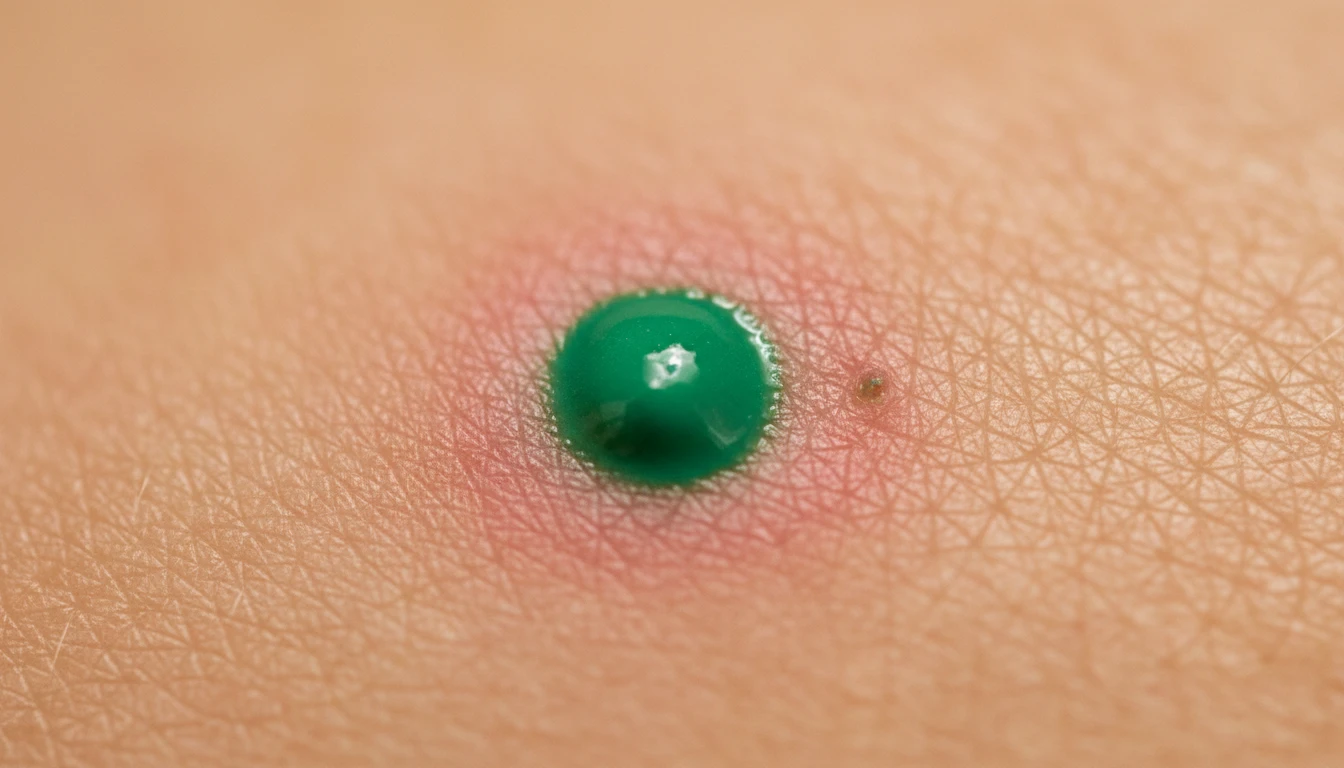
Wrong. Anyone can develop an allergic reaction, especially to products they've never used before. Halloween makeup often contains fragrances, preservatives, and dyes that
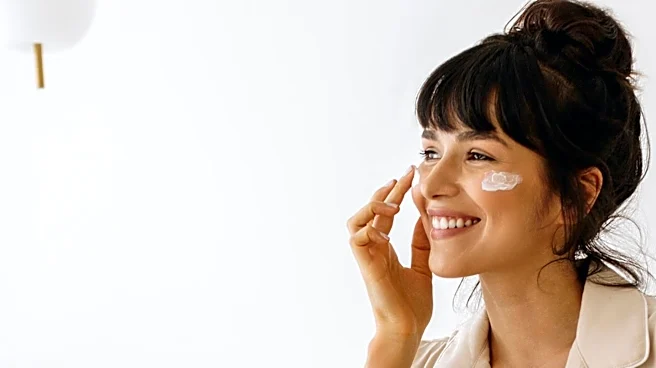
are common allergens. Dermatologists recommend performing a patch test for every new product at least 24 to 48 hours before you plan to wear it. Apply a small amount to your inner forearm or behind your ear. If you see any redness, itching, swelling, or bumps, consider it a warning and don't use the product on your face.
Myth: Craft glitter and school glue work in a pinch.
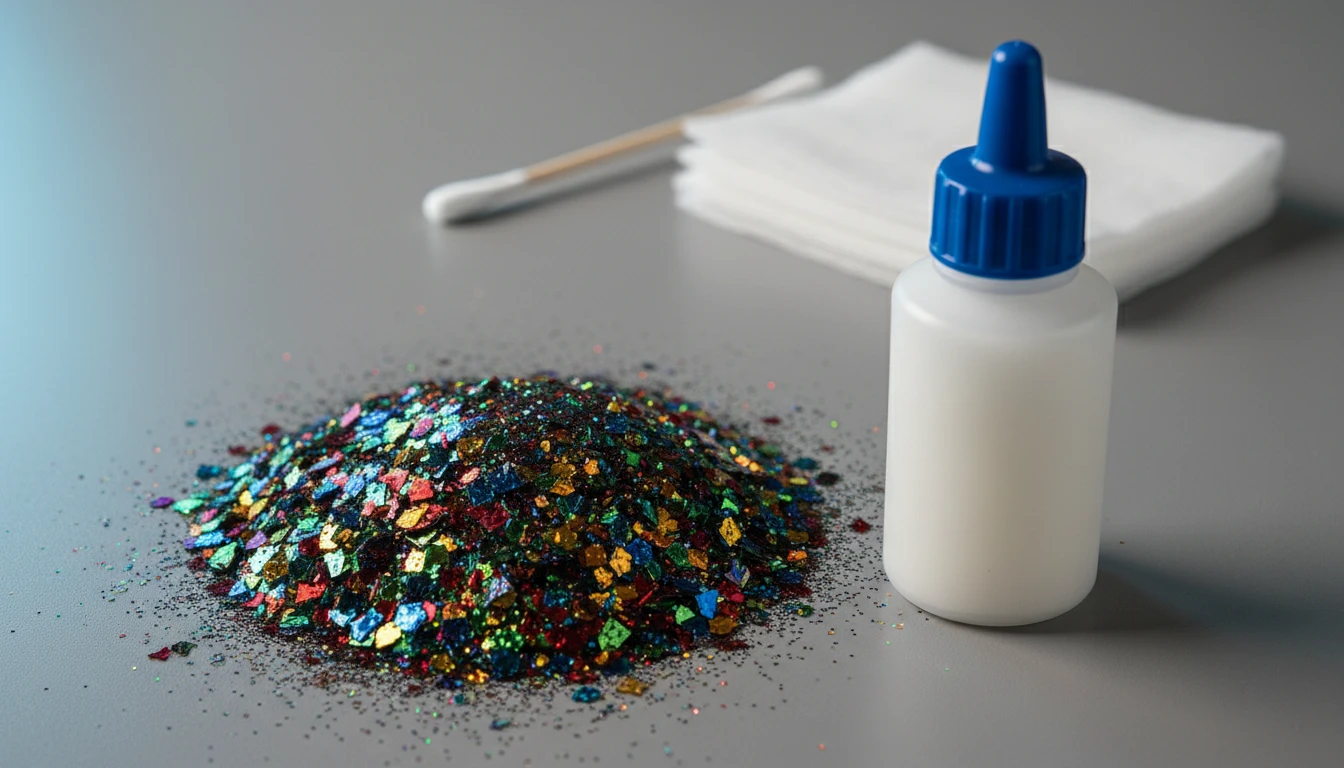
Absolutely not. This is one of the most dangerous myths. Craft supplies are not designed for skin. Craft glitter is cut differently than cosmetic glitter; its sharp edges can cause tiny scratches (micro-abrasions) on your skin and, even more dangerously, can lead to serious corneal abrasions and permanent eye damage if it gets in your eye. Likewise, adhesives like school glue or spirit gum can contain irritating ingredients, while stronger glues were never meant for skin contact. Always use cosmetic-grade glitter and skin-safe adhesives specifically sold for that purpose.
Myth: It's just for one night, so sharing makeup is okay.
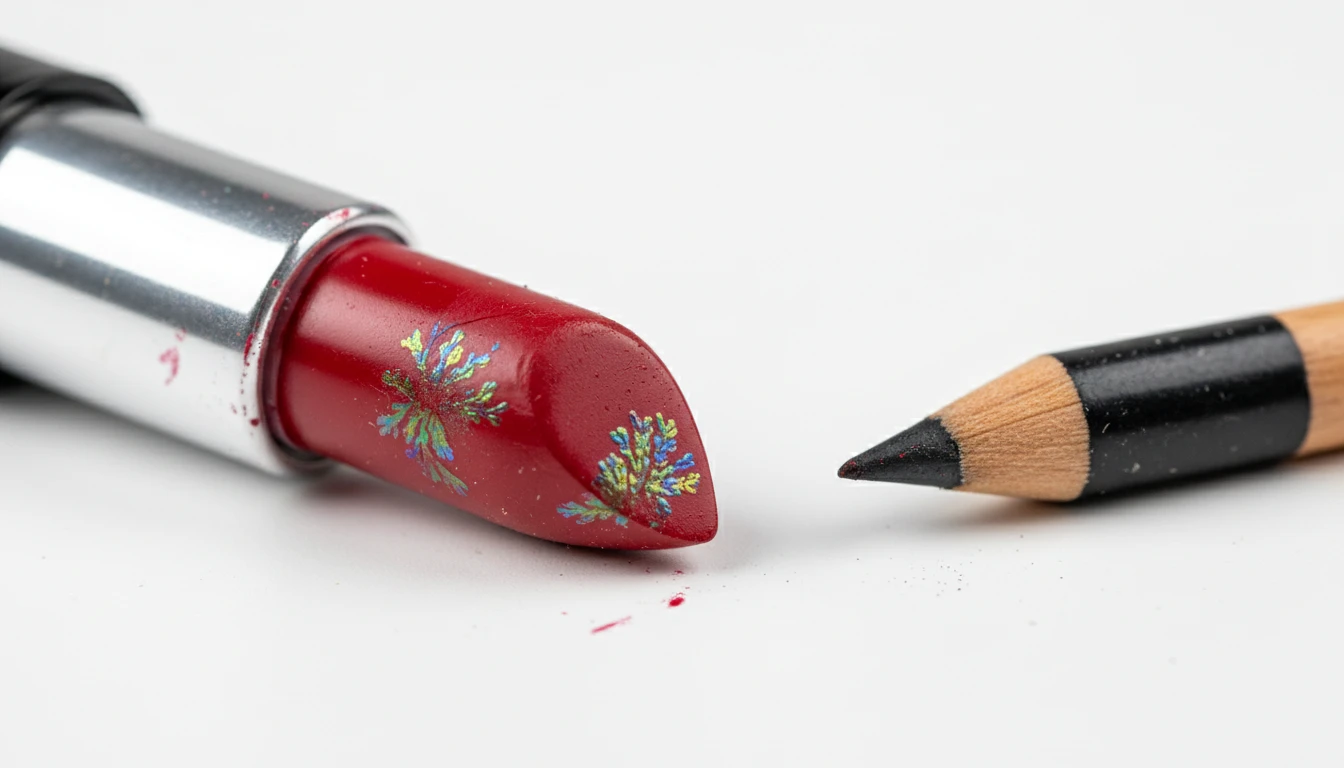
Sharing is not caring when it comes to makeup. Using a friend's eyeliner, lipstick, or face paint palette is a fast track to spreading bacteria and viruses. This can lead to nasty infections like pink eye (conjunctivitis) or cold sores. Everyone's skin has its own unique flora of bacteria, and what's harmless on one person can cause a major issue for another. Always use your own products and your own clean brushes or applicators to keep things hygienic and avoid a truly scary post-party infection.
Myth: You can just sleep it off and wash your face in the morning.
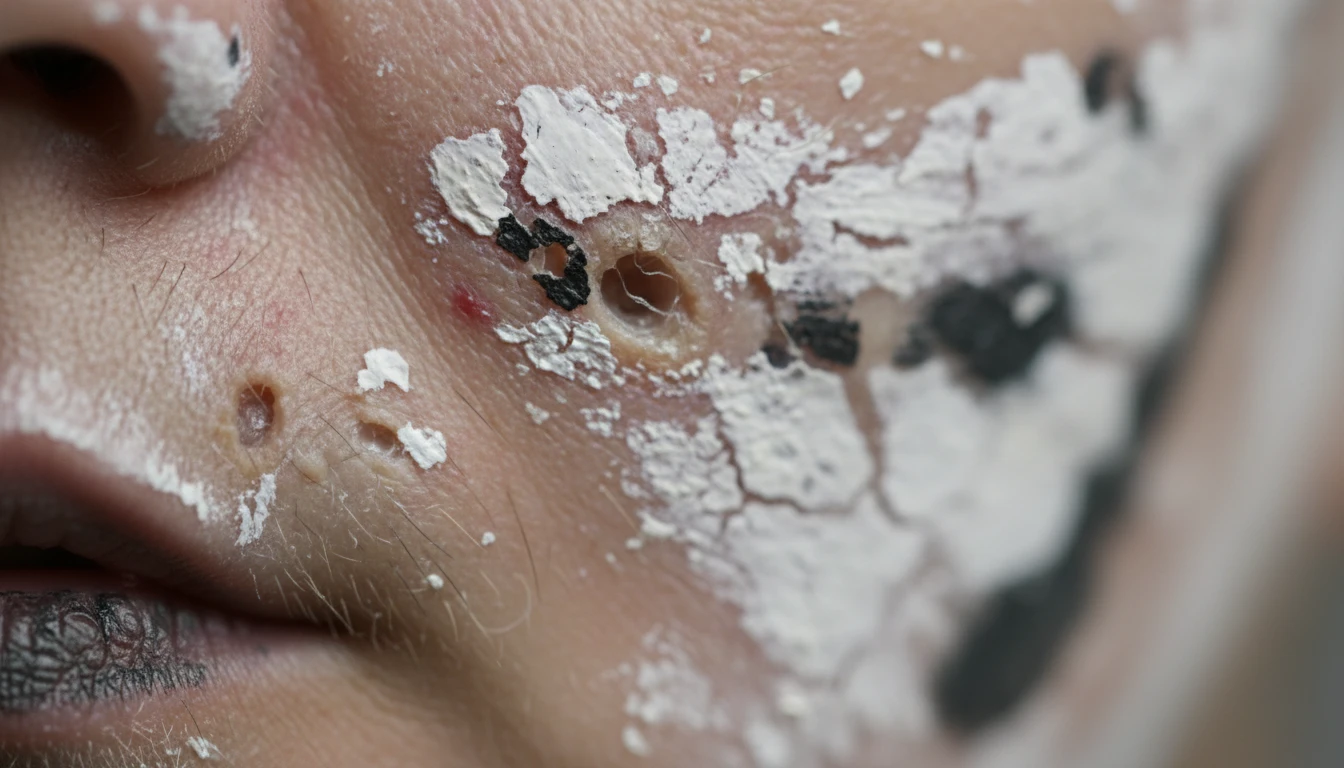
Falling into bed after a long night of Halloween fun is tempting, but sleeping in heavy makeup is one of the worst things you can do for your skin. Heavy, oil-based paints and primers trap dirt and bacteria, leading to clogged pores, blackheads, and severe acne breakouts. The products can also flake off and get into your eyes, causing significant irritation or infection. Furthermore, sleeping in makeup prevents your skin's natural overnight repair process, which can break down collagen and contribute to premature aging.
Myth: A makeup wipe is good enough for removal.
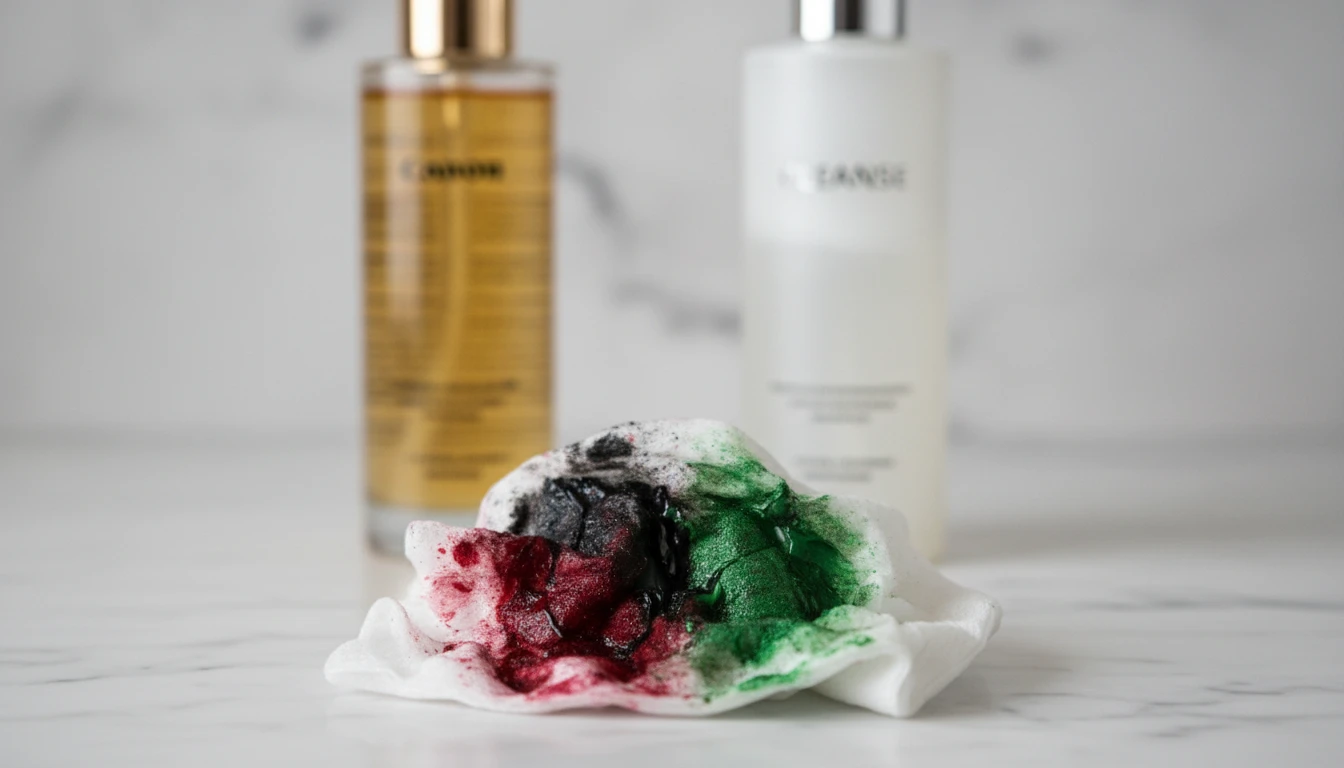
While better than nothing, makeup wipes are no match for stubborn Halloween paint, waterproof formulas, and adhesives. Wipes often just smear the heavy product around and can require harsh rubbing that irritates the skin, especially the delicate eye area. The best method is a double cleanse. Start with an oil-based cleanser or cleansing balm to dissolve and lift the heavy pigments and waxes. Massage it gently onto dry skin, then rinse. Follow up with a gentle, water-based cleanser to wash away any remaining residue, leaving your skin truly clean.