

A Christmas Parade in 1924
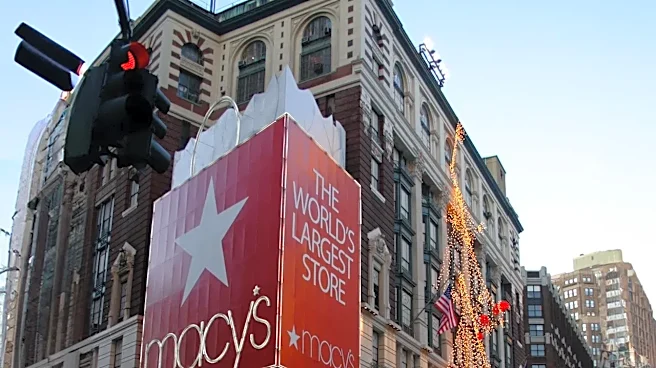
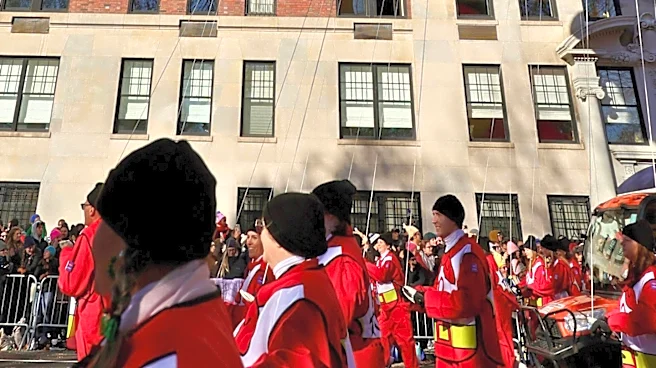
The tradition we know today began on November 27, 1924, but with a different name: the Macy's Christmas Parade. Organized by Macy's employees, many of whom were first-generation European immigrants, it was a way to bring a festive, old-world-style celebration to New York and officially kick off the Christmas shopping season. Instead of the giant balloons we see now, the first parade featured live animals borrowed from the Central Park Zoo, including camels, elephants, and bears, marching alongside costumed employees and floats. It was an immediate success, drawing an estimated 250,000 spectators and prompting Macy's to declare it an annual event.
The Patriotic Pause for World War II
For nearly two decades, the parade was an uninterrupted holiday staple. The first character balloon,
Felix the Cat, appeared in 1927, and Mickey Mouse made his debut in 1934. But as World War II escalated, the nation's priorities shifted. In 1942, Macy's announced it would suspend the parade. The reason was a matter of national service: the rubber and helium used for the now-famous balloons were critical materials for the war effort. In a symbolic gesture, Macy's President Jack Straus, alongside New York's mayor, ceremonially deflated a dragon balloon and donated the rubber—about 650 pounds worth from the parade's collection—to the military. The parade would remain on hiatus for three consecutive years: 1942, 1943, and 1944.
Doing the Holiday Math
This three-year pause is the simple answer to the headline's riddle. A parade held every year from 1924 to 2026 would mean 103 parades. However, when you subtract the three years it was canceled for the war, you arrive at the 100th procession in 2026. The parade triumphantly returned in 1945 as the war ended and quickly cemented its place in American culture. Its nationwide fame was significantly boosted by the 1947 film 'Miracle on 34th Street,' which featured footage from the 1946 parade and introduced the event to a national audience. Just a year later, it was broadcast on national television for the first time, becoming the Thanksgiving morning tradition millions now know.
An Enduring American Tradition
While the war was the only reason for its cancellation, the parade has weathered other national crises, including running just days after President John F. Kennedy's assassination in 1963 and continuing with a broadcast-only version during the COVID-19 pandemic in 2020. The 2026 event marks a significant milestone, not just as the 100th parade, but as a testament to its resilience. From live zoo animals and employee marches to giant floating characters and star-studded performances, the parade has evolved dramatically. Yet its core purpose—to officially welcome the holiday season with a sense of wonder—remains unchanged more than a century after it first began.