




Ancient Origins: A Mask for Survival
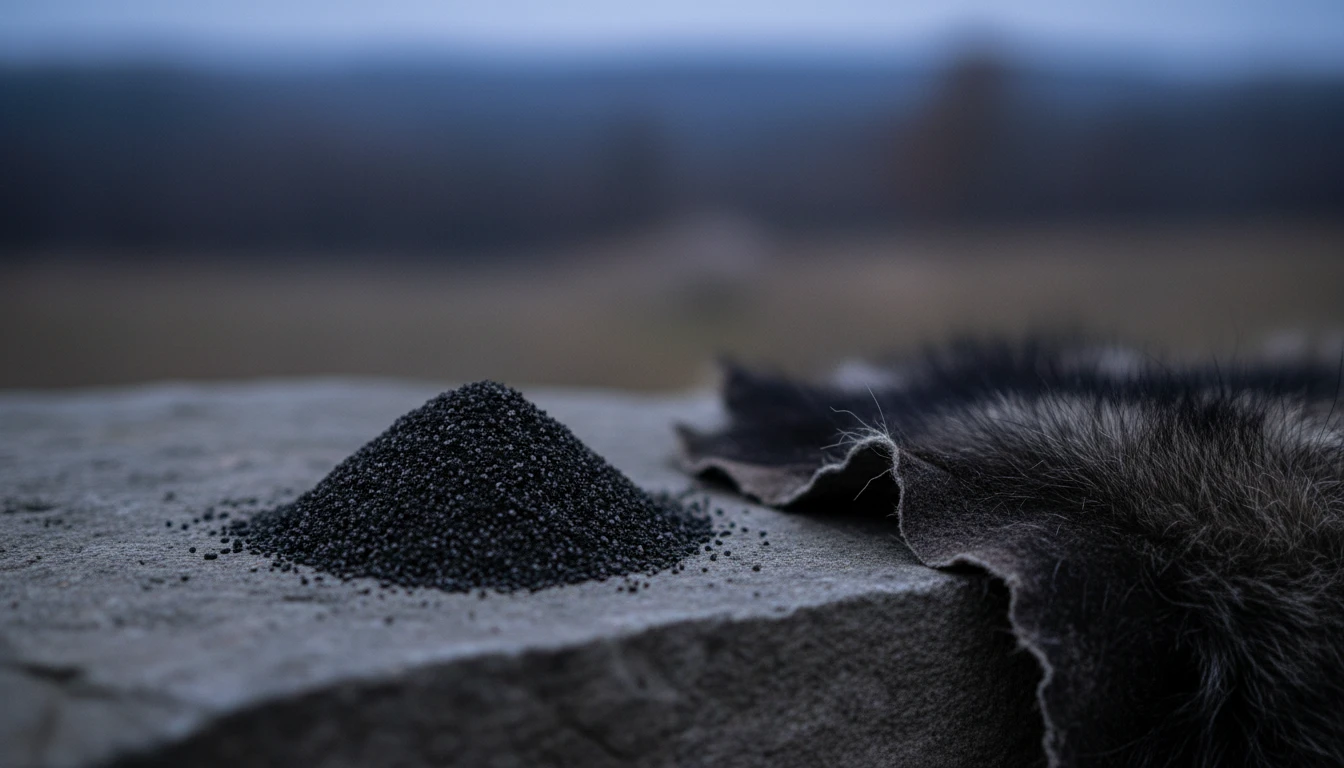
The story begins over 2,000 years ago with the Celtic festival of Samhain, a pagan ritual marking the end of the harvest and the beginning of winter's darkness. Celts believed that on October 31, the veil between the living and the dead was at its thinnest, allowing spirits to roam the earth. This wasn't a party; it was a threat. To protect themselves, people devised a clever form of camouflage. They would wear animal skins and smear their faces with soot and ash from sacred bonfires. The goal wasn't to create a character, but to disguise oneself as a fellow spirit, hoping any malevolent entities would pass them by without notice. This was not makeup for artistry, but a mask for survival.
Medieval Makeovers: From Guising to Games
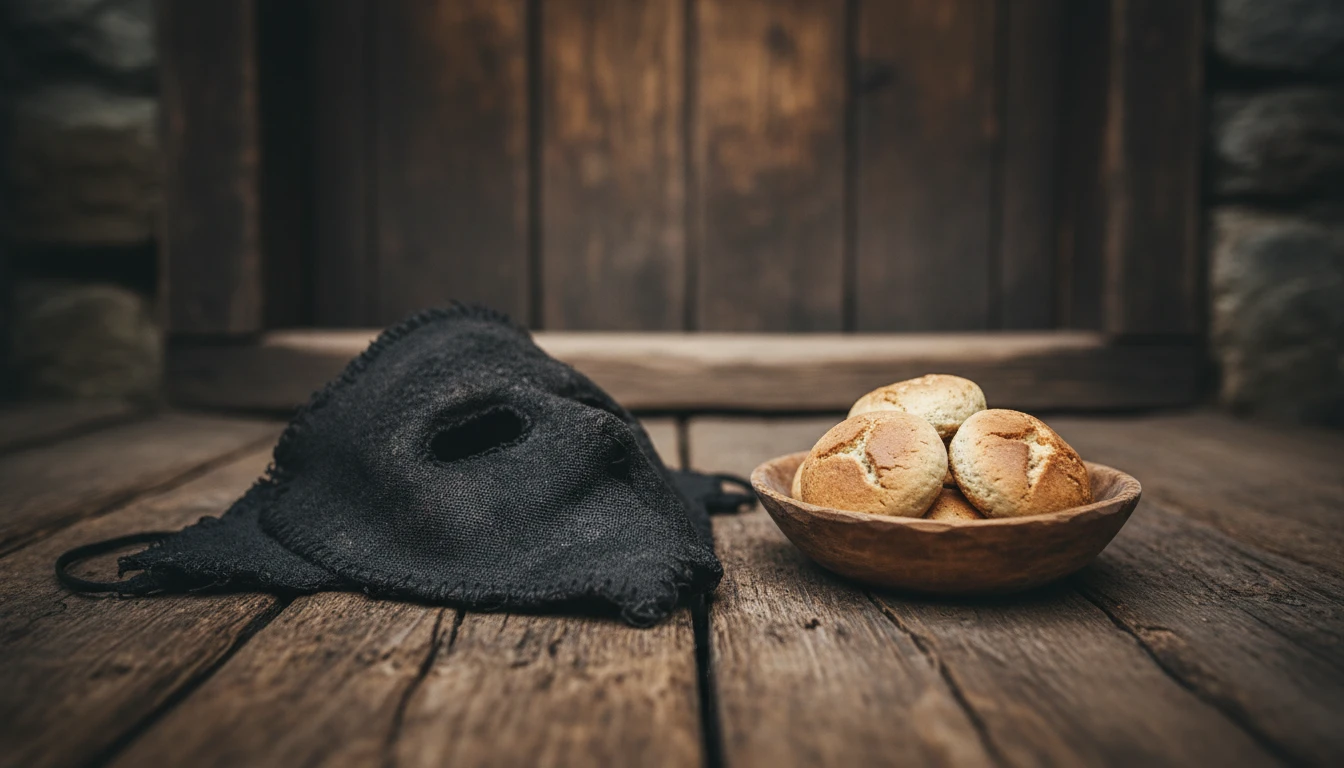
As Christianity spread, pagan traditions like Samhain
were absorbed and rebranded. The night became All Hallows' Eve. The practice of dressing up evolved into 'guising' or 'mumming,' where people, often the poor, would go door-to-door in costume, reciting verses or offering prayers for the dead in exchange for food like 'soul cakes'. The disguises persisted, partly out of lingering superstition and partly as a form of performance. Makeup remained rudimentary—a blackened face or a simple mask was enough to conceal one's identity. The focus was less on scaring spirits and more on community interaction, laying the groundwork for what would eventually become trick-or-treating.
Victorian Parties and Mail-Order Scares
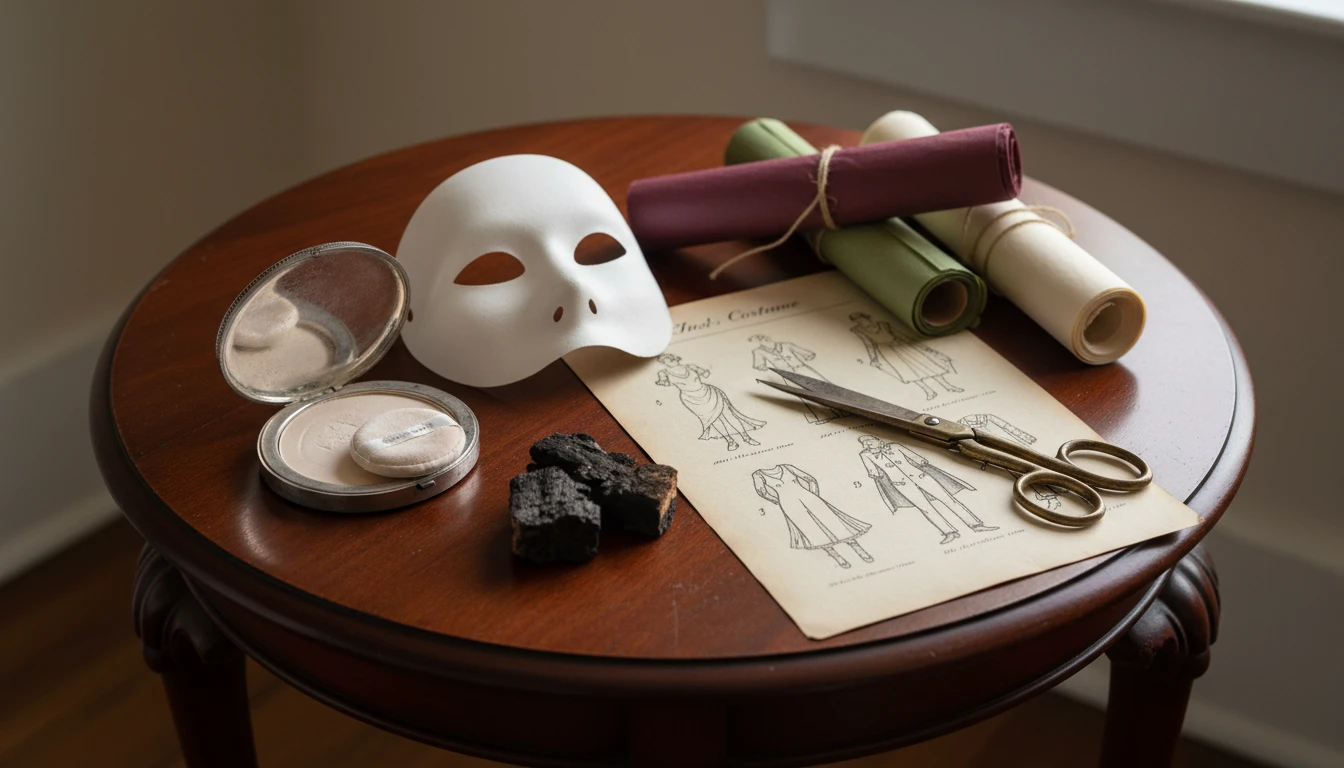
By the 19th century, Irish and Scottish immigrants had carried these traditions to America. The Victorians, known for domesticating holidays, transformed Halloween from a night of mischief and superstition into a reason for a parlor party. They embraced the spooky but made it quaint, with fortune-telling games and gatherings. Costumes were homemade, and 'makeup' often involved whatever was on hand: burnt cork to create shadows and fake mustaches, or pale powders to feign a ghostly pallor. Crepe paper costumes became common, and the first hints of commercialization appeared as mail-order catalogs began offering simple masks and costume patterns. The goal was no longer to hide from spirits, but to entertain your friends.
Hollywood and The Drugstore Kit
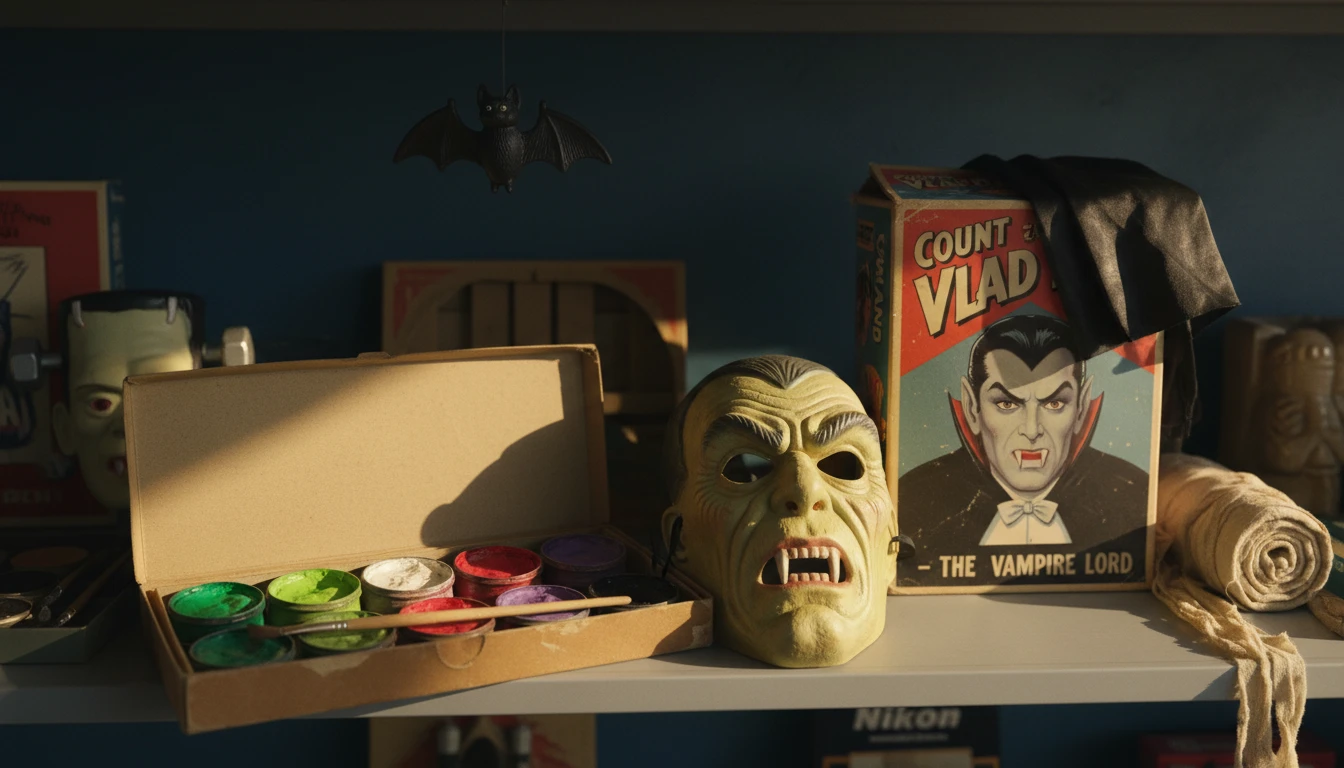
The 20th century changed everything, thanks to two major forces: Hollywood and mass production. The rise of cinema gave Halloween its first superstars: Dracula, Frankenstein's monster, and the Mummy. These iconic movie monsters provided a universal visual language for what 'scary' looked like. At the same time, companies like Ben Cooper Inc. began selling mass-produced costumes, which often included a simple vinyl smock and a molded plastic mask. By the 1970s and '80s, concerns over masks obstructing children's vision led to a new solution: the commercial face paint kit. Companies like Imagineering and Paas, famous for its Easter egg dyes, began marketing greasepaint kits directly to families, advertising them as a safer alternative. Suddenly, anyone could paint their face to look like their favorite creature.
The SFX Boom and Social Media
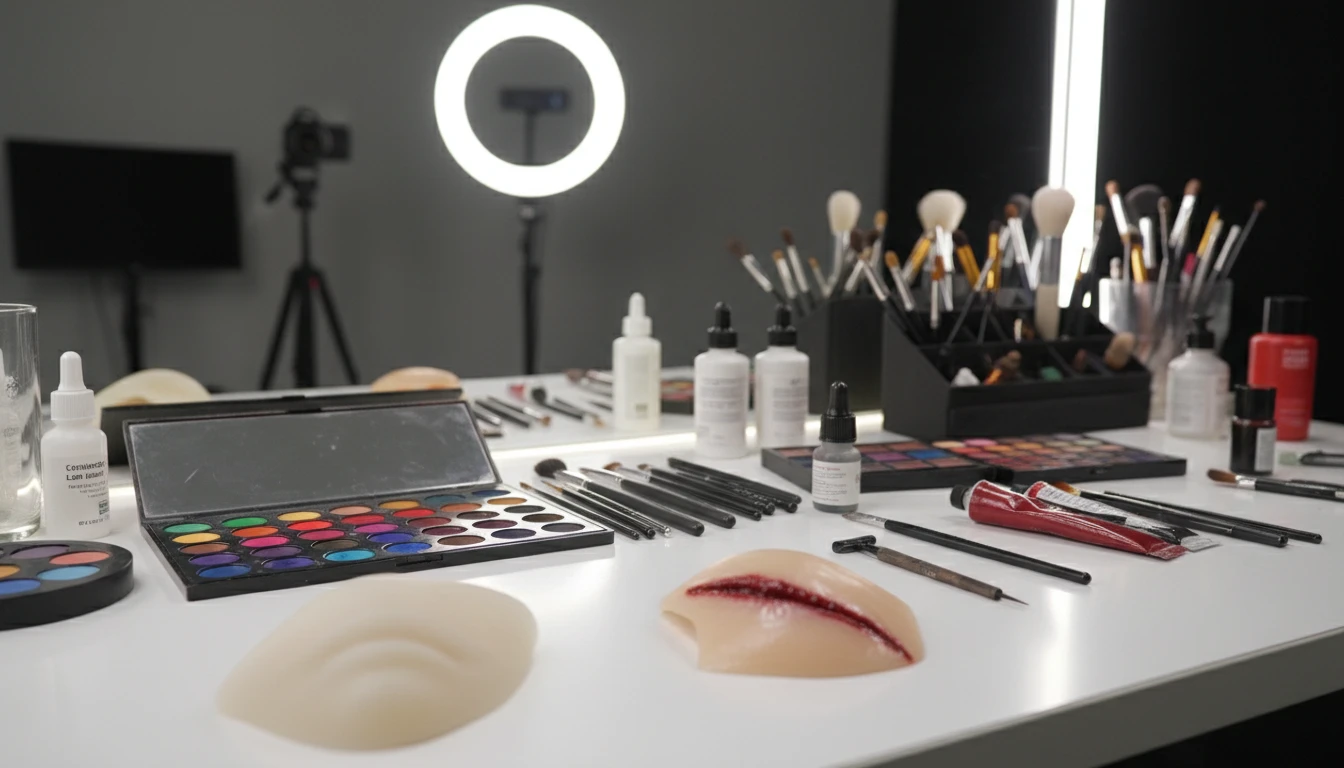
The final evolution came with the internet. While Hollywood special effects artists like Rick Baker ('An American Werewolf in London') and Dick Smith ('The Exorcist') pushed the boundaries of prosthetic makeup in film, their techniques were once out of reach for amateurs. But with the dawn of YouTube and Instagram, professional secrets were democratized. Makeup artists began sharing step-by-step tutorials, making complex techniques accessible to everyone. This fueled a creative explosion, transforming Halloween makeup from simple face paint into a sophisticated art form. Today's Halloween looks can involve complex prosthetics, lifelike gore, and stunningly realistic character transformations that would have been worthy of a film set just a generation ago.