

The Gridiron's Holiday Land Grab
In 2023, the NFL planted its flag on yet another piece of the American calendar. Teaming up with Amazon Prime Video, the league launched its first-ever Black Friday game, framing it as a natural extension of the Thanksgiving football feast. The idea was simple: with millions of people at home, wallets open for the biggest shopping day of the year, why not give them a standalone NFL game to watch? For the league, it represented a new frontier for its ever-expanding media empire. For Amazon, it was a masterstroke of synergy, a chance to lure millions of eyeballs to its platform and immediately serve them ads and deals for products just a click away.
The Viewership Report Card
The initial results were solid, if not spectacular. The first game in 2023 between the Dolphins
and Jets pulled in 9.61 million viewers. While that paled in comparison to the massive audiences of the Thanksgiving Day games, it was a respectable start for a streaming-exclusive broadcast. The real story is the growth. In 2024, viewership jumped to 13.51 million for a compelling Chiefs-Raiders matchup. The upward trend continued in 2025, when a Bears-Eagles game attracted an impressive 16.33 million viewers, a 70% increase from the inaugural game just two years prior. Those aren't just good numbers; they represent a clear pattern of escalating interest, proving a significant audience is willing to tune in.
The Case for a New Tradition
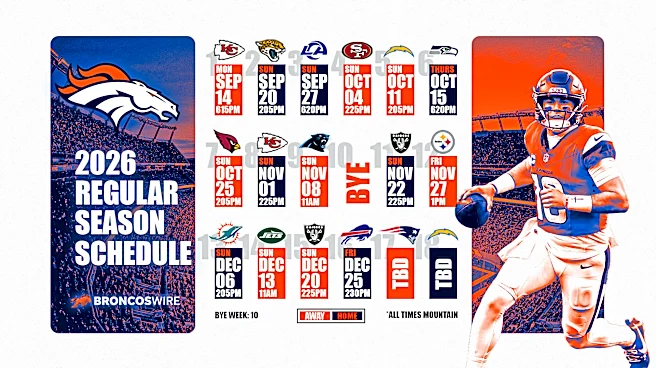
The argument that Black Friday football is here to stay is strong. For the NFL, it's another standalone broadcast window it can sell for a premium. For Amazon, the value extends far beyond simple viewership. The game allows the retail giant to create a powerful feedback loop, driving ad engagement and sales on its biggest day. The league is also committed to making the game an event, with this year's contest featuring a high-stakes AFC clash between the Pittsburgh Steelers and Denver Broncos. Putting two playoff-caliber teams in that slot signals a long-term investment. More importantly, the game is building a habit. As families decompress from Thanksgiving, having a marquee NFL game to watch is becoming a familiar and welcome rhythm for many.
Fan Fatigue and Forced Fun?
However, not everyone is sold. For some fans, the Black Friday game feels less like a treat and more like another cash grab in an already saturated market. It represents one more game locked behind a streaming paywall, complicating viewing for casual fans or those gathered with family. There's also the issue of player safety and scheduling. The short week between a Sunday game and a Friday game puts additional strain on players, a concern that already plagues Thursday Night Football. Furthermore, the game competes not just with online shopping but also with long-standing college football rivalries that have traditionally owned that Friday slot, creating a crowded sports landscape.
The Verdict After Four Years
Now in its fourth year, the Black Friday experiment appears to be a success. The steadily climbing viewership numbers are the clearest indicator, proving the NFL and Amazon have found a receptive audience. While the Thanksgiving Day triple-header remains the undisputed king of holiday football, the Black Friday game has successfully carved out its own niche. It has become the official post-turkey cooldown, a bridge between the holiday feast and the weekend. The matchups have been increasingly compelling, the production quality is high, and the synergy with Amazon's retail empire makes it too valuable for either party to abandon. While some fans may grumble, the numbers don't lie. Black Friday football isn't just a passing fad.