

The Golden Rule: Comfort Trumps Cost
Before we talk dollars, let's establish the number one principle of shoe buying: comfort and fit are king. An ill-fitting $200 shoe is infinitely worse than a perfectly fitting $90 one. Your first 5K should be fun, not a painful slog filled with blisters. When you try on shoes, you should have about a thumb's width of space in front of your longest toe, and your heel should feel locked in place without slipping. The best way to ensure this is to visit a specialty running store where staff can analyze your gait and recommend options for your specific foot type. Don't get caught up in brand hype; focus on what feels good on your foot.
The 'Save' Strategy: What Your Money Gets You
You do not need to spend a fortune to get a great running shoe for a 5K. The 'save' category, typically shoes under
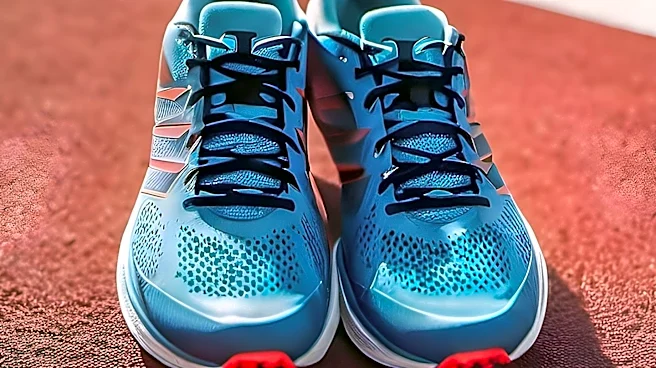
$120, is full of reliable workhorses that are perfect for new runners. These shoes, like the Brooks Revel, Saucony Ride, or ASICS Gel-Contend, feature standard, durable cushioning and solid construction. The foam might be a bit heavier or less bouncy than in premium models, and the upper materials might not be as breathable, but they provide ample protection and support for the mileage you'll be doing. For a Turkey Trot and the training leading up to it, a well-chosen budget-friendly shoe is more than enough to get you to the finish line comfortably and safely.
When Is It Smart to 'Save'?
Opting for a 'save' shoe is the smartest move for most first-time Turkey Trotters. If you're new to running, your primary goal is to build a consistent habit without getting injured, and a good-quality entry-level shoe supports that perfectly. You're not racing for a world record; you're enjoying a community event. These shoes are durable enough to last you through your training and beyond, often for 300-500 miles. It makes little sense to invest in highly specialized, expensive technology before you even know what you like or how your body will respond to running. Start sensible, and save your money for a potential upgrade later if you fall in love with the sport.
The 'Splurge' Scenario: What Are You Paying For?
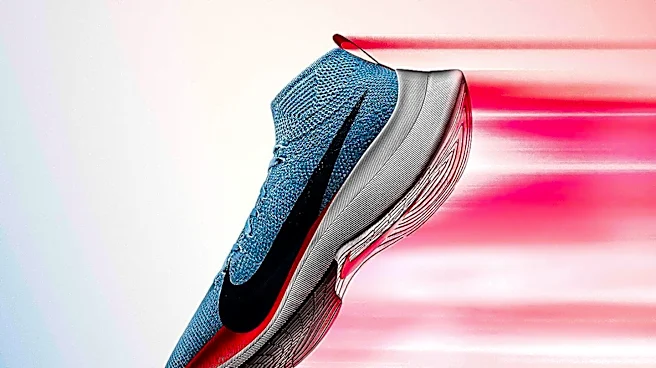
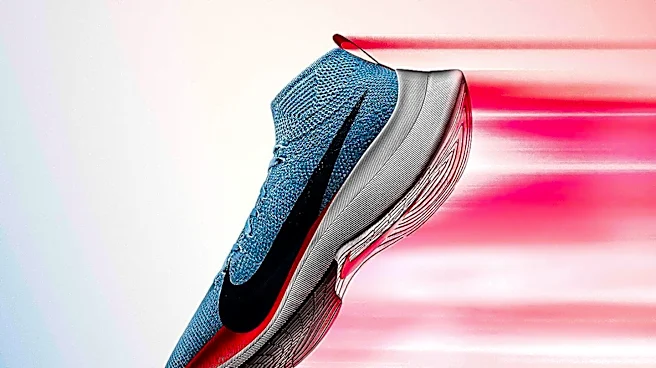
So, what do you get when you jump into the $150+ 'splurge' category? Technology. Premium shoes feature advanced midsole foams that are significantly lighter, bouncier, and more energy-efficient. Think of foams like Nike's ZoomX or Adidas's Lightstrike Pro. These materials reduce the feeling of impact and can make running feel more fun and less taxing. Some high-end shoes also include features like carbon-fiber plates, which are designed to propel you forward. While often marketed to elite athletes, the enhanced comfort and reduced fatigue from a 'super trainer' (a high-cushion, high-tech daily shoe) can be a legitimate benefit, even for a beginner.
When Might a 'Splurge' Make Sense?
While not necessary, splurging can be a good choice in a few scenarios. If you've tried on both budget and premium models and genuinely find the expensive pair significantly more comfortable, it's worth considering if it fits your budget. For some, the 'fun factor' of a bouncier, more exciting shoe can be a powerful motivator to get out the door and train. Furthermore, if you plan to continue running regularly after the Turkey Trot, investing in a high-quality, durable shoe like a Hoka Clifton or Brooks Ghost might be a smart long-term purchase that offers superior comfort and feel over hundreds of miles. Just be sure you're buying it for the right reasons—comfort and motivation, not because you think it's a shortcut to speed.