






The Myth of the Master Entertainer
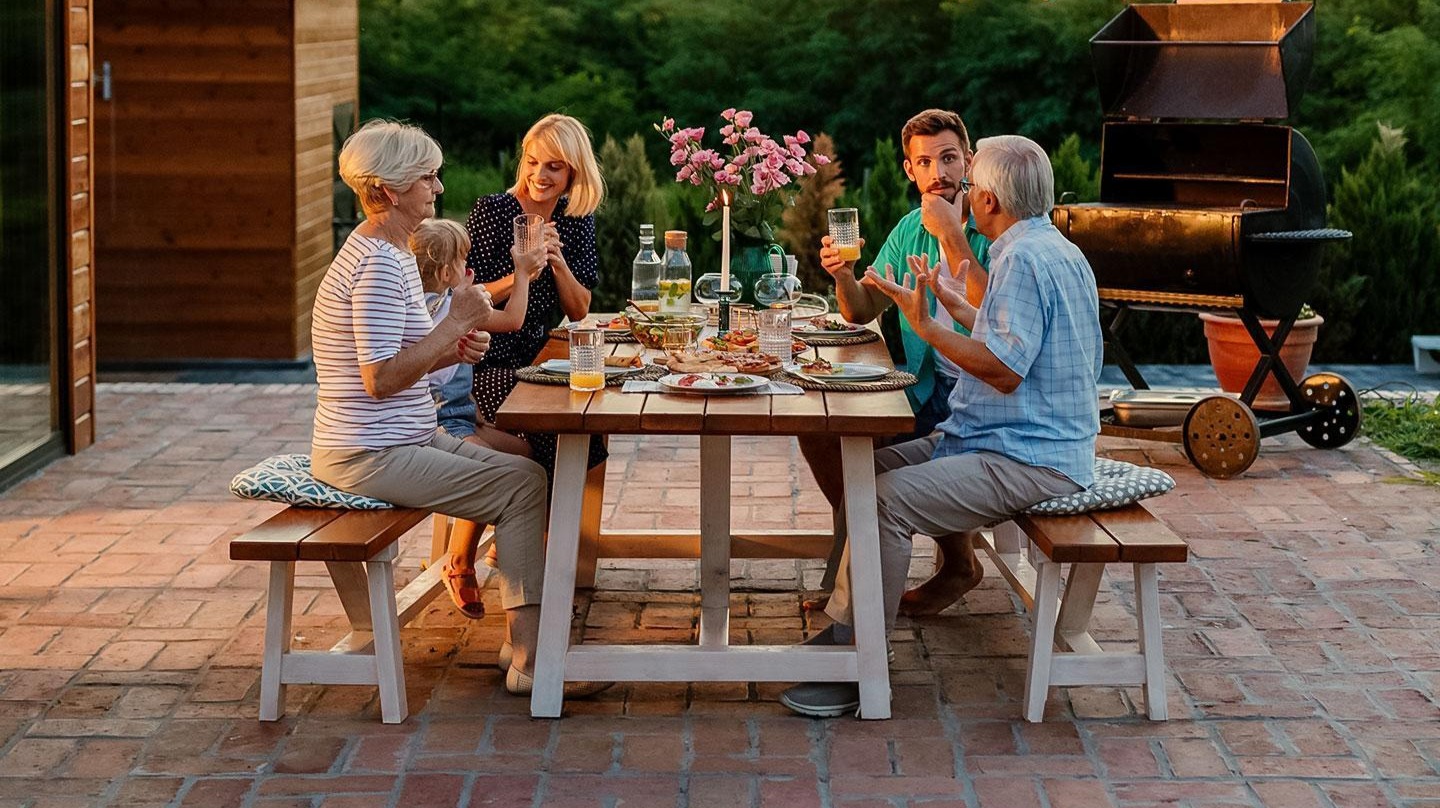
For generations, the unspoken rule of hosting has been that a quiet guest is a bored guest. This puts an enormous amount of pressure on the host to perform as a chef, cruise director, and conversationalist all at once. The truth is, this approach often leads to host burnout and can even make guests feel uncomfortable, as if they're being managed rather than welcomed. Most people attending a holiday gathering aren't looking for a packed schedule of activities; they're coming to relax and connect. A great host creates a warm, welcoming environment, not a three-ring circus. The goal should be connection, not constant, forced entertainment.
Create 'Comfort Zones,' Not A Rigid Itinerary
Instead of planning a day full of structured activities, think in terms of zones. Designate different areas
of your home for different moods. Have the football game on in one room, set up a puzzle or a board game on a coffee table in another, and create a quieter corner for conversation. A self-serve drink station with wine, a batch cocktail, and non-alcoholic options keeps guests out of the busy kitchen and empowers them to help themselves. This approach allows people to naturally gravitate toward what they enjoy and mingle at their own pace, taking the pressure off you to direct traffic.
Let Your Guests Help (They Genuinely Want To)
One of the biggest hosting mistakes is turning down offers of help. Many hosts feel they must do everything themselves, but delegating is a host's best friend. When a guest asks, 'What can I do?' have a specific, simple task ready. Ask them to chop vegetables, fill water glasses, or take charge of the playlist. These small jobs make guests feel useful and integrated into the celebration, rather than like passive observers. It’s a form of engagement that builds community, which is far more valuable than any planned entertainment.
Spark Conversation, Don't Force It
You don't need elaborate icebreakers to get people talking. Simple, low-effort conversation starters can work wonders. Consider a 'gratitude tree' where guests can write what they're thankful for on paper leaves and hang them on a branch. Another option is a stack of conversation-starter cards placed on a side table for guests to pick up as they please. These gentle nudges encourage interaction without feeling contrived, allowing connections to form organically throughout the day.
Build In and Embrace the Lulls
A successful Thanksgiving isn't about filling every single minute. It's perfectly okay—and even desirable—to have downtime. The period after the main meal is often a natural time for a lull. Some guests might want to nap, others may want to chat quietly, and some might just want to scroll through their phones for a few minutes. Don't feel the need to rush in with a new activity. These quiet moments are part of the rhythm of a relaxed family gathering. A host who is also relaxed gives guests permission to do the same, creating a truly comfortable and enjoyable atmosphere for everyone, including you.