

The Case for Grandpa and CBS
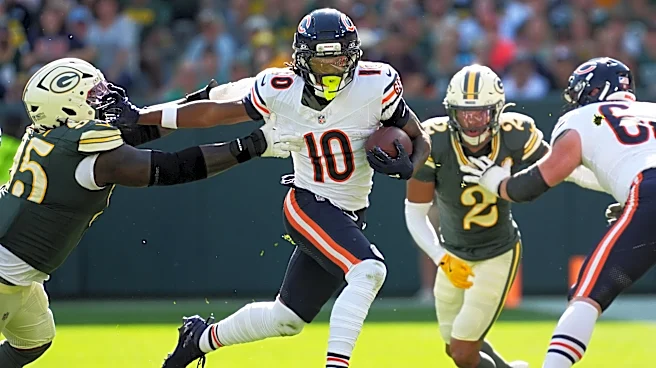
For many, Thanksgiving football means one thing: turning on the TV to a channel you can find without a password. This is Grandpa’s territory. On Thanksgiving Day 2026, his argument is as strong as ever with the classic Chicago Bears vs. Detroit Lions matchup on CBS. This isn't just a game; it's a ritual, a piece of cultural furniture as reliable as the turkey. The beauty of broadcast television is its simplicity and universal access. There's no app to download, no Wi-Fi password to re-enter, no question of whether the subscription is active. It's a shared, national experience, with a pre-game show that eases you into the day and familiar commentators who have been the background noise to family gatherings for decades. This viewing experience is about
comfort, continuity, and the ease of a tradition that requires nothing more than showing up.
The Argument for the Kids and Netflix
The kids, however, live in a different media universe, and the NFL is meeting them there. Their Thanksgiving football experience starts a day early, on Wednesday, with the first-ever 'Thanksgiving Eve' game streaming exclusively on Netflix. This year, it’s the Green Bay Packers at the Los Angeles Rams. This isn't just football; it's an event tailored for the streaming generation. It acknowledges that for many, the holiday effectively starts Wednesday night. For this audience, logging into an app is more natural than searching for a channel. A streaming-exclusive game represents the future: high-quality production, the potential for innovative features, and a recognition that appointment viewing can be created on new platforms. For a generation that has grown up with on-demand everything, a marquee game on Netflix feels less like an inconvenience and more like a validation of their world.
The Master Plan Behind the Conflict
This split between broadcast and streaming isn't an accident; it's a calculated and brilliant strategy by the NFL. The league's goal is total domination of American attention, and to achieve that, it must be everywhere. By giving a traditional, high-visibility game to a broadcast partner like CBS, the NFL maintains its massive reach with the audience that has been its bedrock for generations. At the same time, by selling exclusive holiday games to streaming giants like Netflix and Amazon Prime Video, the league captures the cord-cutting and younger demographics that are less likely to watch traditional TV. The NFL is creating new 'holiday' windows, like Thanksgiving Eve and Black Friday, and selling them to the highest bidder. This 'slicing and dicing' of rights ensures they collect enormous fees from all sides, effectively forcing both old and new media to pay for a piece of the action.
The Verdict: Who Really Wins the Remote?
So, who is right in this holiday showdown? The frustrating but true answer is that everyone is. Grandpa is right that Thanksgiving Day football should be an easy, accessible, shared experience for everyone in the house, a role broadcast TV has perfected. The kids are right that the future of media is on-demand and on the platforms where they already spend their time. The idea of huddling around a laptop for a big game isn't foreign; it's normal. The real winner, of course, is the NFL. It has successfully created a scenario where it profits from both generational preferences. It has turned a single day of football into a multi-day, multi-platform bonanza. The fight over the remote is merely a symptom of the league's success in making itself essential to every facet of the media landscape, ensuring that no matter where you watch, you're contributing to its bottom line.