







Parisian Theater of Horror
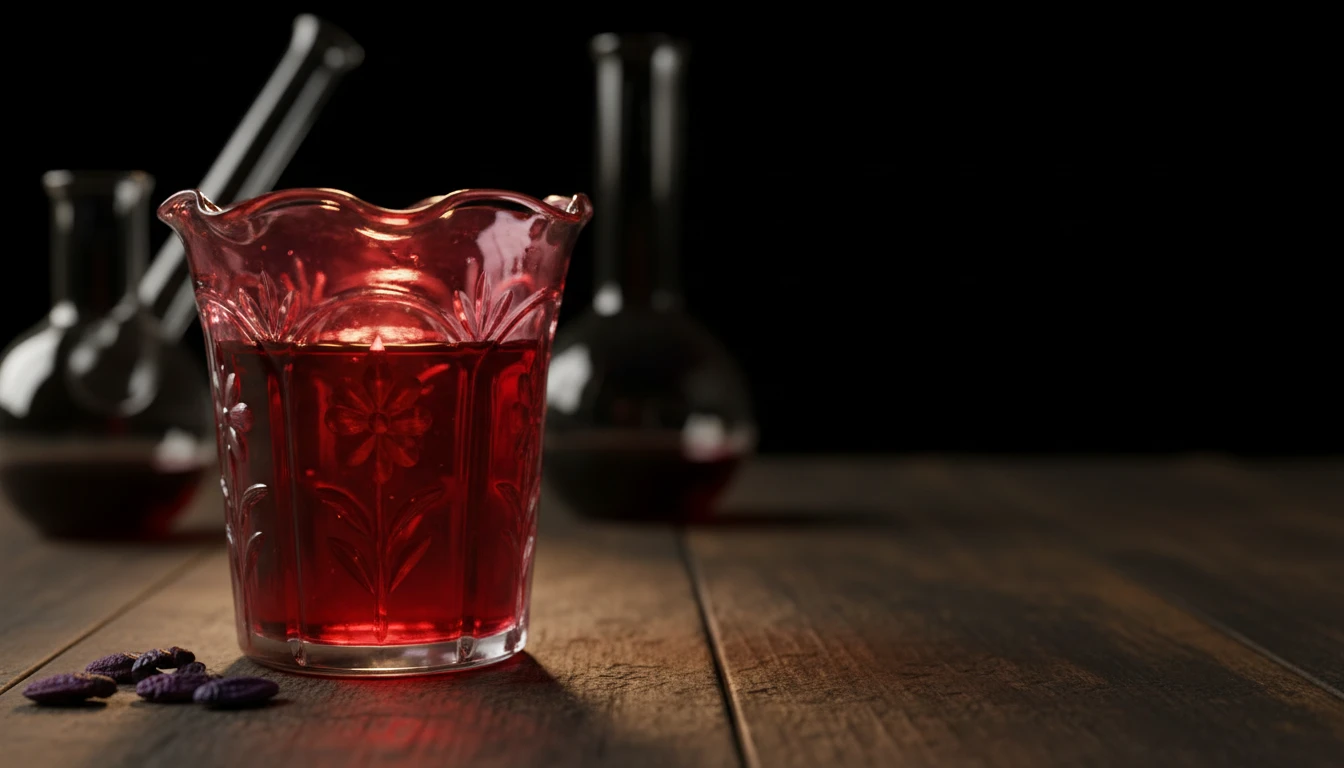
The story of stage blood begins in late 19th-century Paris at a theater that became a legend: Le Théâtre du Grand-Guignol. Opening in 1897, it specialized in short, brutally graphic horror plays that shocked and thrilled audiences. To make its on-stage maimings and murders convincing, the theater needed a realistic blood effect. While animal blood was impractical and expensive, the Grand-Guignol developed its own secret recipe. It's believed to have been a mixture of glycerin and carmine, a red pigment derived from boiling cochineal insects. This concoction was famously viscous and would coagulate under the hot stage lights, creating disturbingly realistic scabs and wounds that left audiences screaming.
The Chocolate Syrup Solution
When filmmaking began, the need for blood
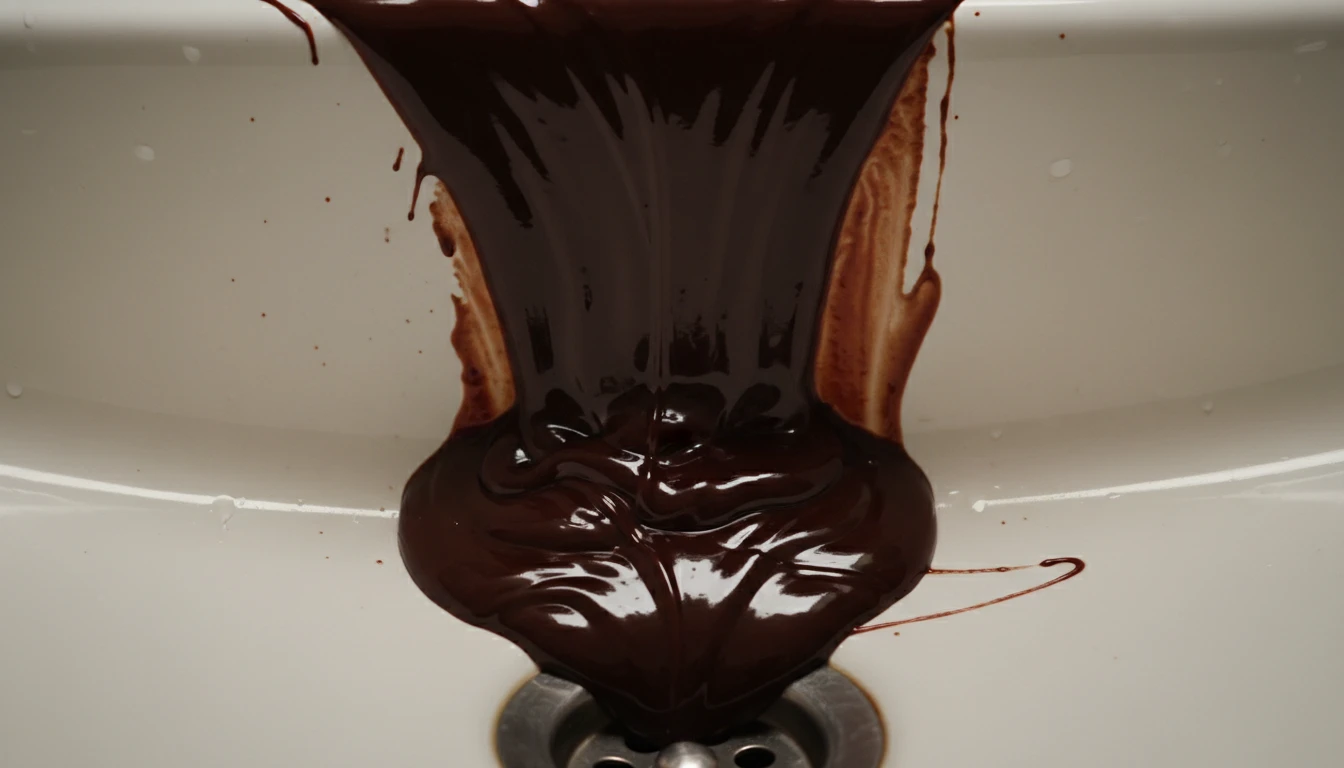
effects moved to the screen. But in the era of black-and-white film, a new, surprisingly sweet solution emerged: chocolate syrup. On monochrome film, the color red didn't provide enough contrast. The dark, thick consistency of chocolate syrup, however, looked convincingly like real blood. The most famous use of this technique was in Alfred Hitchcock’s 1960 masterpiece, 'Psycho'. For the iconic shower scene, Hitchcock used Bosco chocolate syrup, conveniently dispensed from a newly invented plastic squeeze bottle, to simulate Janet Leigh's blood washing down the drain. Director George A. Romero also used the syrupy trick in his 1968 classic, 'Night of the Living Dead'.
Kensington Gore and the Color Problem
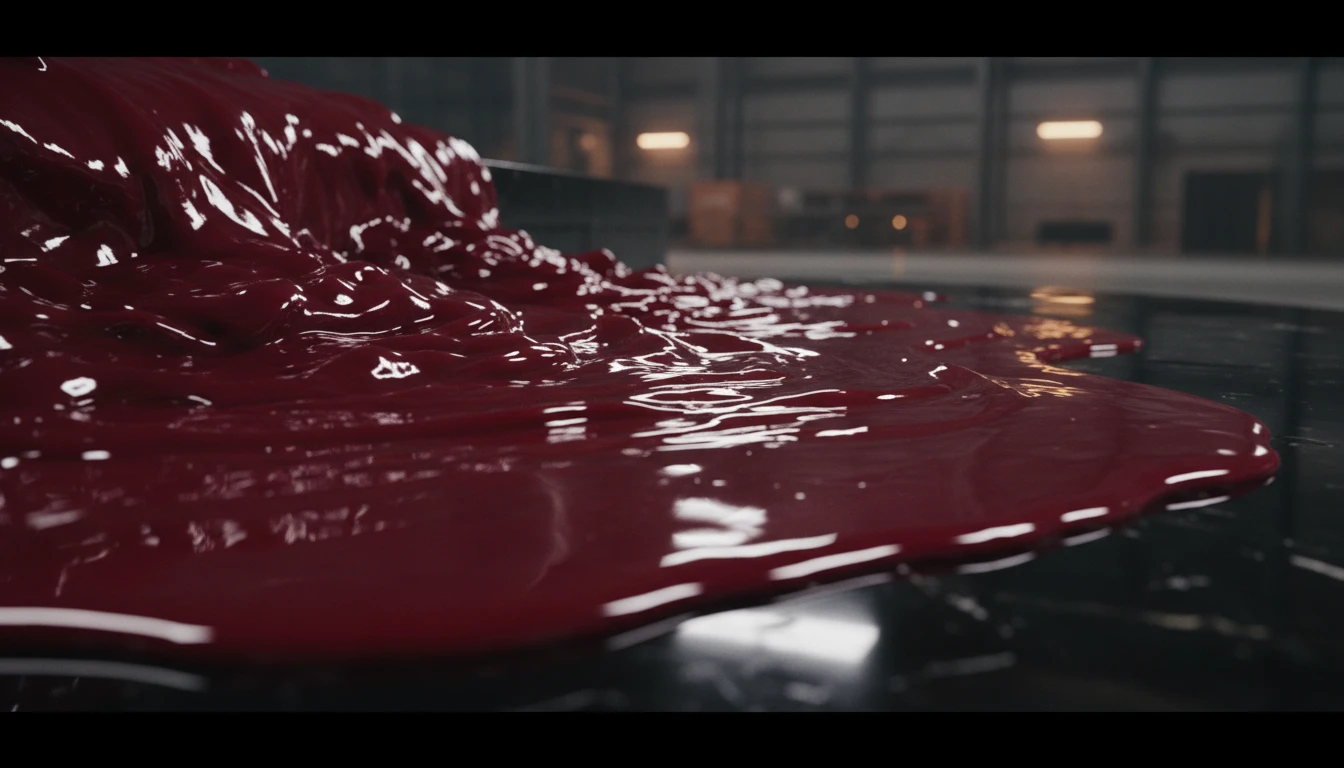
The arrival of Technicolor presented a new challenge: blood had to be red again. Early color film technology made realistic shades difficult, often resulting in blood that looked like bright, opaque raspberry syrup. A popular solution came from a retired British pharmacist named John Tynegate, who developed a formula that became an industry staple, especially for Britain's Hammer Horror films. It was cheekily nicknamed 'Kensington Gore', a pun on a London street name. This recipe typically consisted of golden syrup or corn syrup, water, cornstarch, and food coloring. It was famously thick, sticky, and vibrantly red, defining the look of gore in the 60s and 70s and was used in films like Stanley Kubrick's 'The Shining' for the unforgettable elevator scene.
The Dick Smith Revolution
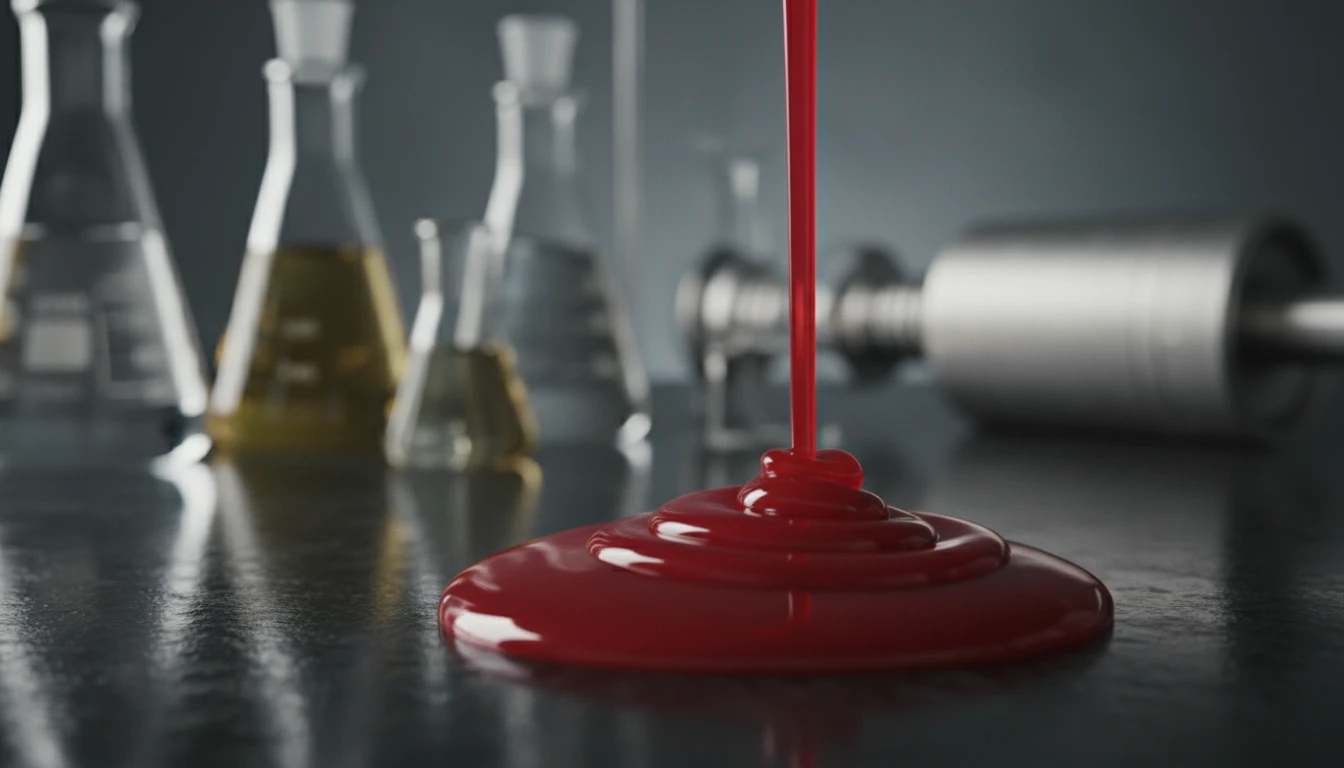
The next major leap forward came from legendary makeup artist Dick Smith, who created what many consider the most realistic cinematic blood. His formula, developed for films like 'The Godfather' (1972), 'The Exorcist' (1973), and 'Taxi Driver' (1976), became the new industry standard. Smith's recipe was corn syrup-based but included unique ingredients like Kodak Photo-Flo, a chemical used in film development, which gave the blood a perfect viscosity and flow. This created a translucent quality that mimicked real blood so effectively that it changed expectations forever. The only downside was that Smith's original concoction was toxic. For the violent climax of 'Taxi Driver', director Martin Scorsese had to desaturate the color to get an R rating, a move he later said made the scene even more disturbing.
From Hollywood to Halloween
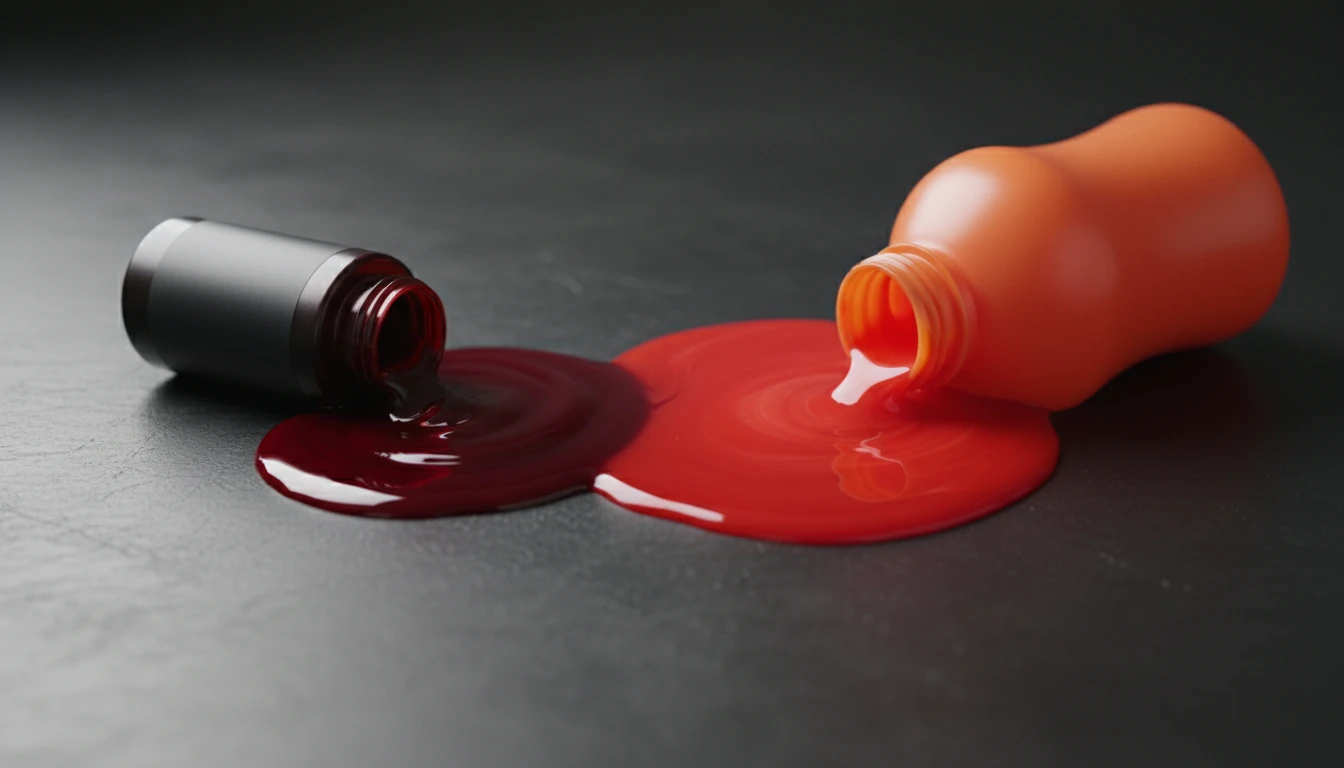
As horror films grew in popularity and special effects became more sophisticated, the public's fascination with gore grew, too. The same drive for realism that pushed filmmakers from chocolate syrup to complex chemical concoctions created a consumer market. Theatrical suppliers and novelty companies began mass-producing non-toxic, corn-syrup-and-food-coloring-based versions of fake blood for the general public. It became an easy and effective way for anyone to add a touch of Hollywood horror to their Halloween costume. What started as a stage trick for a niche Parisian theater had completed its journey, becoming a gooey, crimson staple of the spookiest night of the year.